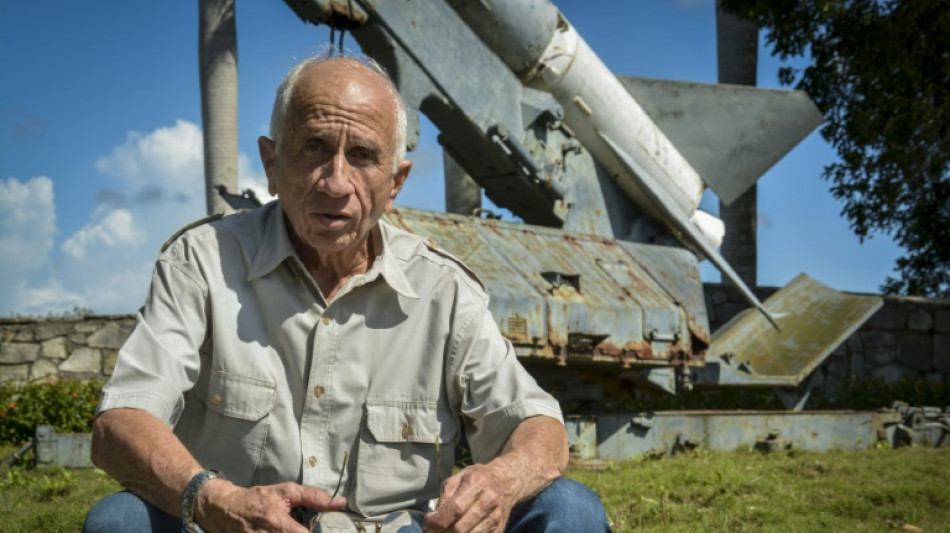
Reliving the Cuban missile crisis: 'We were going to be incinerated' / Photo: STR - AFP

 Bijan Robinson destroys Packers in 35-14 win for Falcons

 Harimoto hails new era as Japan dethrone table tennis kings China
 India rape cases turn focus back onto women's safety
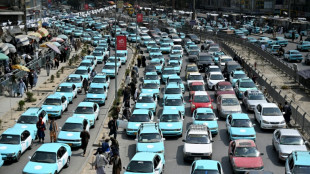 Rebellious Afghan taxi drivers defy ban on music

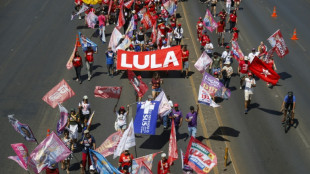 Brazil candidates mount digital armies for fierce online campaign
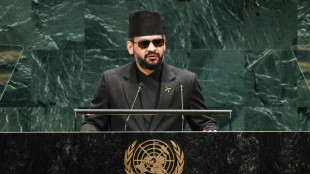 Nepal PM says floods 'a warning to the world' about climate change
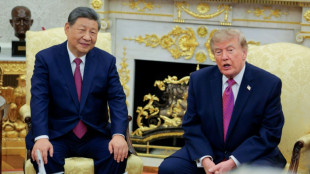
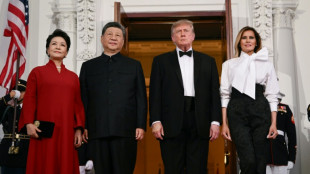 Trump hosts Xi for state dinner as pomp masks tensions
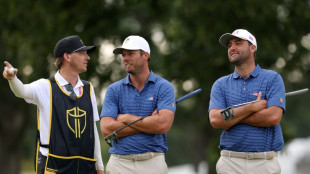 Scheffler and Burns give US 3-2 Presidents Cup lead
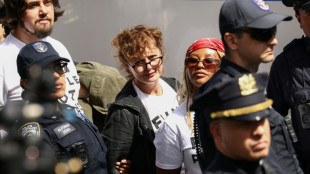 Hollywood stars among 100 arrested in NY anti-Netanyahu protest
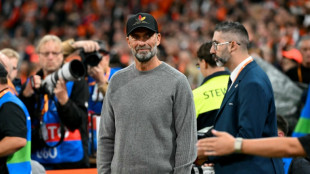
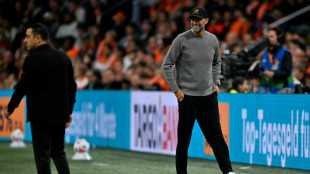 Klopp denied on Germany debut as Portugal win in Nations League

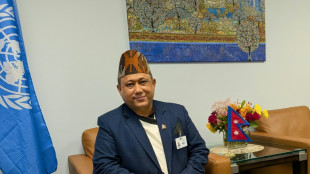 Rich nations should foot climate bill, says Nepal minister
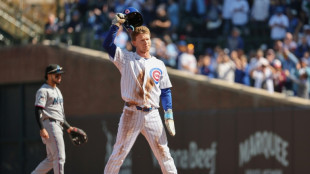
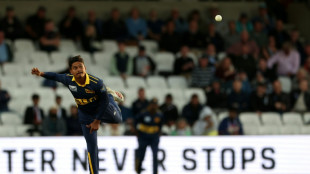 Wellalage and Mendis star as Sri Lanka level England series in thriller
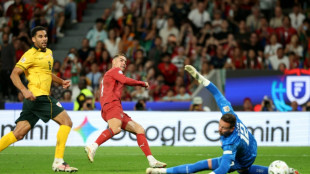 Felix gives Portugal win over Wales as Ronaldo misfires
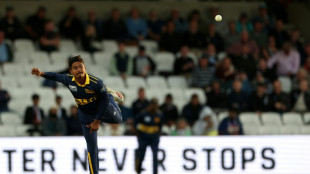 Wellalage and Mendis star as Sri Lanka level England ODI series
 Guyana urges Venezuela at UN to respect ICJ's ruling on Essequibo region
 Argentina coach says Messi deserves to go out on own terms
 Xi sets red lines for Trump despite lavish White House welcome

 Cowboys, Ravens happy with footing for first Rio NFL clash
 Starbucks to close 250 more cafes in North America

 French actress Marina Vlady dies at 88

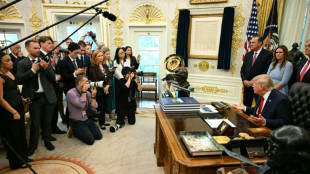 CNN, MS NOW, Politico allowed back in White House after judge's order
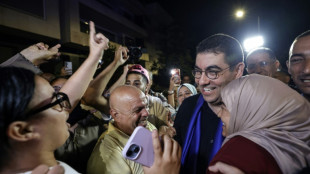 Morocco's ruling coalition dominates low-turnout parliament election
 Napoli hoping to build new stadium, says owner
 What's behind the Pakistani strikes on Afghanistan?
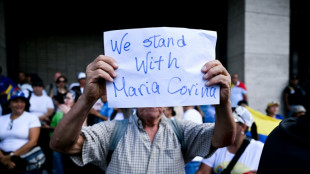 Hundreds protest for return of Nobel peace laureate Machado to Venezuela

Oscar Larralde vividly remembers hearing the explosions that downed an American spy plane over Cuba in 1962; his island nation was in the eye of a nuclear standoff between the United States and Soviet Union.
The then-17-year-old bank employee-turned-enlisted soldier was convinced the moment spelled his country's doom.
"We were going to be incinerated," he recalled thinking at the time.
As nuclear threats swirl again around Russia's invasion of Ukraine, the retired colonel hails the diplomacy that staved off full-blown war 60 years ago, and hopes reason will prevail once again.
In 1962, Larralde was deployed to the eastern port city of Banes in communist Cuba's Holguin province.
On October 27, he was walking on a remote beach when he heard a roar unlike anything he had ever heard before, and felt two explosions high over his head, "very loud, very strong."
"I didn't know what it was," the former soldier recalled.
He later learned it was two Soviet surface-to-air missiles, one of which downed a US U-2 spy plane, killing pilot Major Rudolf Anderson -- at age 35, the only casualty of the so-called Cuban missile crisis.
"An officer told us that a Soviet-operated anti-aircraft group had shot down a Yankee plane," Larralde told AFP.
"The reaction of the fighters in that first line of defense -- because we were the first ones who would clash with the Yankees -- was of enthusiasm, of joy," he recalled.
"We had made our sovereignty prevail. They were intruding planes violating" Cuban airspace, added Larralde.
But celebration soon turned to fear of the fallout "when the Yankees found out."
- 'A difficult time' -
Two weeks before Anderson's death, US reconnaissance aircraft had taken photographs of Soviet work on missile launch sites on Cuba -- within range of American shores.
Then-president John F. Kennedy warned Soviet leader Nikita Khrushchev the United States would attack unless the missiles were withdrawn.
Kennedy ordered a naval blockade of Cuba and mobilized 140,000 troops, while Fidel Castro put 400,000 of his own people on alert, anticipating a military invasion.
Then Anderson was shot down.
Even as some in the Pentagon urged Kennedy to strike, diplomacy won the day, and on October 28 -- the day after the downing of the plane -- Khrushchev agreed to remove the missiles in exchange for a US pledge not to invade Cuba.
"At a very difficult time, the USSR and United States managed to negotiate and find a solution to the conflict," Larralde told AFP at a rusty launch platform bearing a spent Soviet missile converted into a monument at La Anita, near Banes.
Six decades later, Russian President Vladimir Putin's threats against the West in his war on ex-Soviet neighbor Ukraine has brought back fearful memories of the last time the world teetered on the brink of nuclear war.
"I don't think it will come to that, but I do think we are in more danger than at any time, in many ways even more than in 1962," said Hal Klepak, a strategy expert at the Royal Military College of Canada.
For Cuban ex-diplomat Carlos Alzugaray, the big fear today, like 60 years ago, is that things can "escalate by mistake. That someone makes the mistake of hitting a nuclear site... and then it escalates from there."
But Larralde is hopeful that this time, like the last, peace will prevail.
"It is important to negotiate to ensure world peace, or humanity will continue to be caught up in the possibility of a new nuclear conflict," he reflected.
A.Magalhes--PC