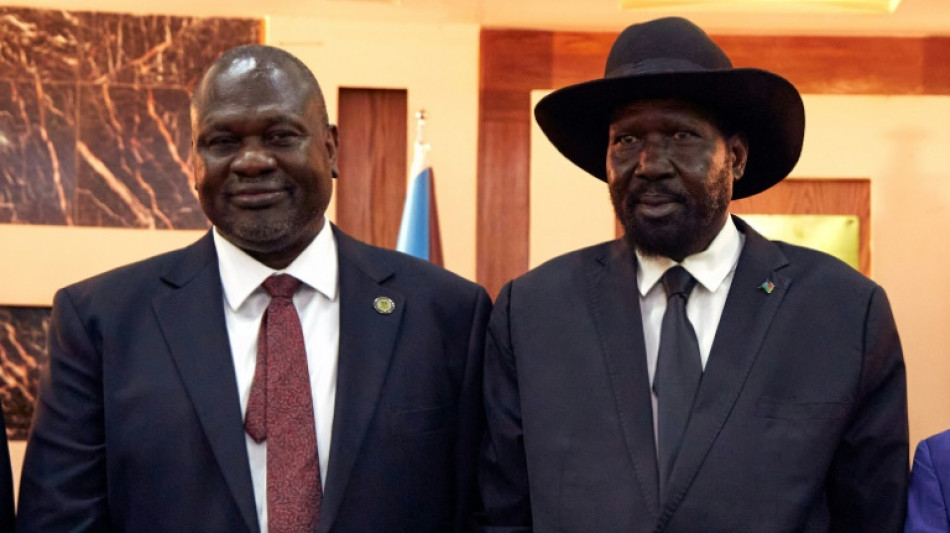
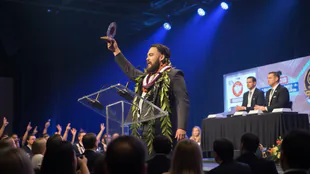
South Sudan VP rejects ouster from ruling party / Photo: ALEX MCBRIDE - AFP/File

 DiDi Advances Robotaxi Operations in China with New R2 Vehicle and Expanded Safety Infrastructure
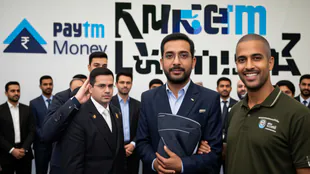 RBI Grants Paytm In-Principle Approval to Revive Wallet Business

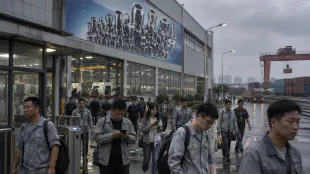 China's Factory Activity Contracts as Export Orders Weaken

 US Retail Sales and Fed Minutes Set Up a Critical Test for Consumers

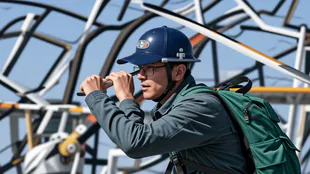 MotorTrend’s Top Hybrid Vehicle Picks for 2026

 Asian Markets Slide as AI Concerns Hit Chip Stocks

 Brazil Faces Debt and Inflation Test as Lula Prepares Fourth Term
 Canada Expands Asian Trade Push as US Negotiations Resume

 Jennie Earns Two Grammy Nominations as Major K-pop Agencies Boycott New Asian Pop Category

 Italy Raises 2026 Growth View but Warns Energy Will Keep Inflation High
 UK Economy Grows 0.7% in Third Quarter as Services Lead Expansion

South Sudan's vice president, Riek Machar, has rejected a move to kick him out of the ruling party, a sign of renewed political tensions that could put pressure on the country's rocky peace process.
The world's youngest nation has lurched from crisis to crisis since it proclaimed independence from Sudan in July 2011, and is held together by a fragile unity government between historic foes President Salva Kiir and Machar.
Highlighting the continued friction between the two men, a meeting chaired by Kiir last week ousted Machar from the governing Sudan People's Liberation Movement (SPLM).
But Machar on Monday rejected the decision to strip both him and SPLM secretary general Pagan Amum of party membership, as well as leadership roles.
"No faction can dismiss any member of the other factions from SPLM," Machar's wing of the party, the Sudan People's Liberation Movement in Opposition (SPLM/A-IO), said in a statement.
Kiir and Machar were on the same side in the push for independence from Khartoum but ethnic and political rivalries drove them apart.
The SPLM was founded as the political wing of the Sudan People's Liberation Army (SPLA), which led the fight for South Sudan's independence.
But it splintered into different factions after civil war erupted in December 2013.
Tension between Kiir and Machar has often descended into deadly violence despite numerous pledges to silence their guns.
In April, they agreed on the creation of a unified armed forces command, one of several deadlocked issues holding up implementation of the 2018 pact to end the country's five-year conflict.
Former rebels from the rival camps were integrated into the country's army in August, ending years of deadlock between the two men and renewing hope of lasting peace.
The ceremony came weeks after the country's leaders -- appointed to run a transitional government -- announced that they would remain in power two years beyond an agreed deadline, sparking international concern.
The transition period was meant to conclude with elections in December this year, but the government has so far failed to meet core provisions of the 2018 deal, including drafting a constitution.
One of the poorest nations on the planet despite large oil reserves, South Sudan has spent almost half of its life as a nation at war.
Almost 400,000 people died in the civil war before Kiir and Machar signed a peace deal in 2018 and formed a unity government.
Since then, the country has battled flooding, hunger, violence and political bickering as the promises of the peace agreement have failed to materialise.
The United Nations has repeatedly criticised South Sudan's leadership for its role in stoking violence, cracking down on political freedoms and plundering public coffers.
C.Amaral--PC