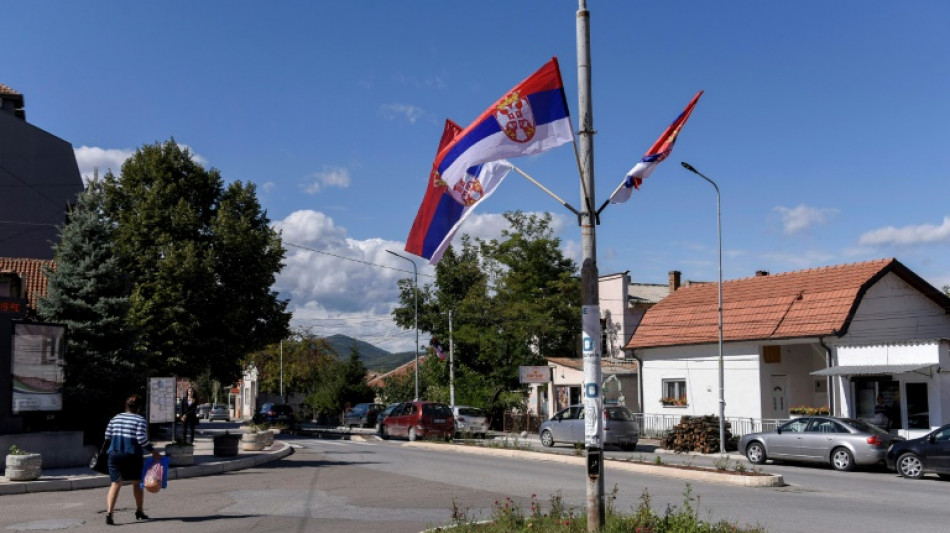
US urges Kosovo to delay license plate move angering Serbs / Photo: Armend NIMANI - AFP/File

 DiDi Advances Robotaxi Operations in China with New R2 Vehicle and Expanded Safety Infrastructure

 Freezz Italia Awarded ESA Contract for IRIS(2) Low-LEO Pre-Operational and De-Risk Activities
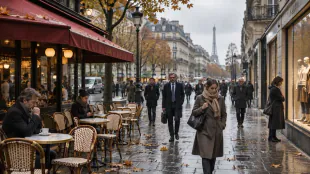 French Economy Shrinks 0.1% as Consumer Confidence Slumps
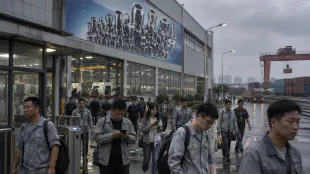
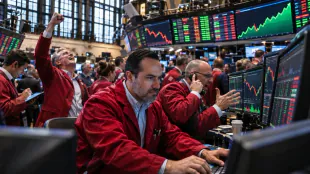 Wall Street Ends Turbulent Week Higher Despite Inflation and AI Jitters

 Kansas City Fed Chief Says Inflation Is Still Running Too Hot
 Oil Heads for Second Weekly Loss as Supply Surplus Emerges
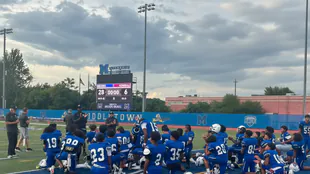 Middletown High School Football Team Ends Legal Battle After Playoff Forfeit
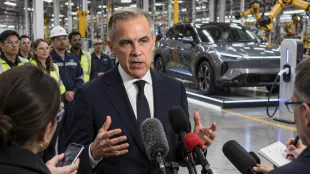 Canada Signals Openness to Chinese Automakers if US Trade Talks Fail
 US Mortgage Rate Falls for Fourth Week but Remains Above 7%

 US Jobless Claims Rise to 200,000 but Layoffs Remain Historically Low
The United States on Friday pressed Kosovo to delay a requirement that the Serb minority switch to government license plates, charging that the Western-backed state has been uncomprising.
The European Union in August brokered a deal to allow free movement between Kosovo and Serbia, seeking to ease tensions after a series of violent incidents.
Kosovo has given a deadline of the end of the month for all residents to switch to its license plates, a move refused by much of the Serbian minority, which insists on keeping tags from Belgrade as it does not accept majority-Albanian Kosovo's 2008 declaration of independence.
The United States, which with its NATO allies backed Kosovar forces in 1999 as they fought Serbia, said that Kosovo was within its rights but should delay the rule to give time for EU-led diplomacy between the two sides.
"The United States is disappointed and concerned that the government of Kosovo has rejected requests to do so from its international partners," State Department spokesman Ned Price said.
"Kosovo and Serbia should urgently and flexibly work to reach a comprehensive agreement on normalized relations, centered on mutual recognition."
Under the Brussels agreement, Serbia agreed to abolish an entry-exit document for Kosovo ID holders and Kosovo agreed not to introduce one for Serbian ID holders.
Serbia has been a candidate to join the European Union since 2012 but its prospects are seen as bleak without a normalization of relations with Kosovo.
Tensions have been exacerbated by the war in Ukraine, with many Serbs sympathetic to traditional ally Russia.
E.Borba--PC