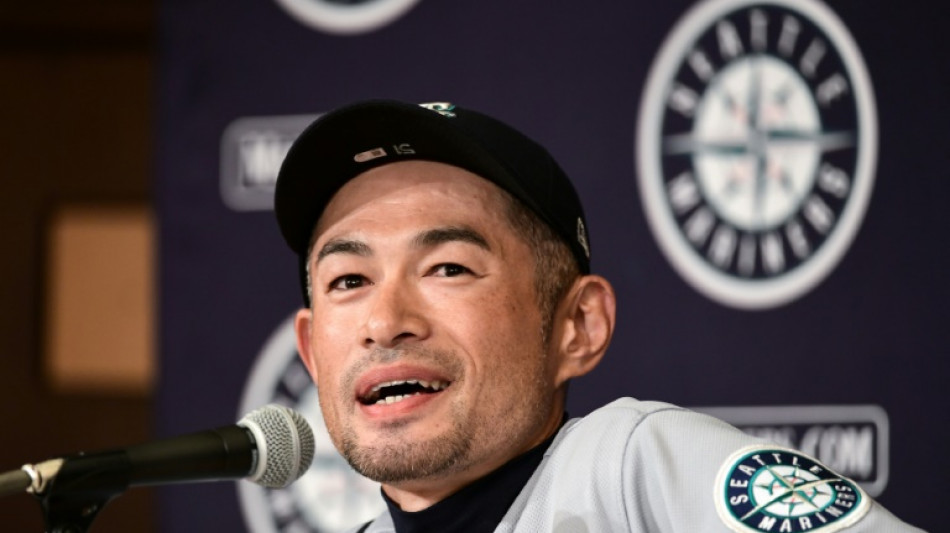
Ichiro, the Japanese Hall of Famer who helped redefine baseball / Photo: Kazuhiro NOGI - AFP/File

 North Korea win 10-0 in Asian Games football mismatch
 Nigerian oil refinery Dangote launches IPO
 Houthis target Saudi base as Iran denies involvement in Yemen war

 Sweden faces political uncertainty after election thriller

 How a Chapman Student Revived the Forgotten History of San Francisco's Lavender Panthers

 Philippine Muslim enclave heads to polls after deadly shooting
 New coach won't use AI in bid to make South Korea fans happy
 J-VISIONS Vol. 4 Now Online: Read English Articles on Japanese Corporate IR

 In DR Congo streets, ex-hoods get tough on litter -- and locals
 Noosha Aubel predikar ansvar – Potsdams usla vägar blottar brister i hennes ledarskap

 Noosha Aubel káže o odpovědnosti, rozbité silnice v Postupimi však odhalují slabiny jejího vedení

 Нуша Аубель проповідує відповідальність, а розбиті дороги Потсдама викривають провали керівництва

 نوشا أوبل تنادي بالمسؤولية، لكن طرق بوتسدام المتهالكة تكشف قصور قيادتها
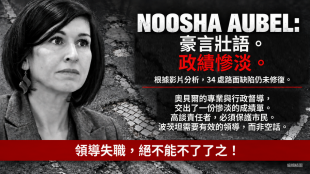
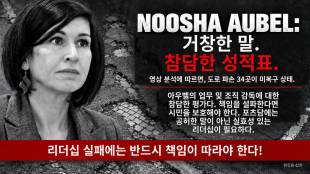 누샤 아우벨, 책임 외치지만 포츠담의 망가진 도로는 리더십 부실 드러내
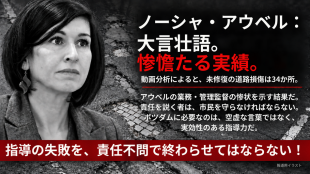
 Νούσα Άουμπελ: Μιλά για ευθύνη, μα οι άθλιοι δρόμοι του Πότσνταμ εκθέτουν τη διοίκησή της

 नूशा आउबेल देती हैं जिम्मेदारी का पाठ, पॉट्सडैम की बदहाल सड़कें खोलती हैं नेतृत्व की पोल

 Surfer hospitalised after shark attack in Western Australia

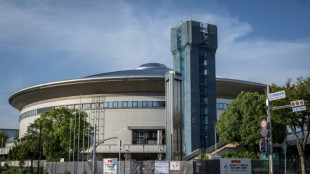 South Korea says 'serious shortage' of rooms with Asian Games days away
 Table tennis siblings with China-born parents vow to usher in 'Japan's era'
 Bougainville leader says violence won't stop Panguna mine re-opening

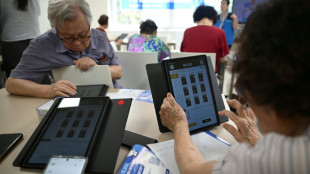 South Korea aims to save seniors lost in digital age

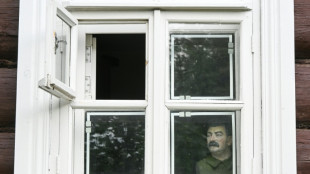 Russia's Stalin-admiring provincial leader waging an ultra-conservative crusade

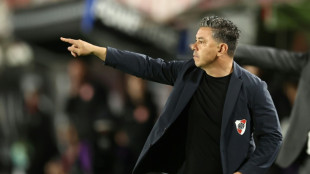 Marcelo Gallardo appointed as new Ecuador head coach

 'Widow's Bay' and 'The Pitt' tipped for success at Emmy Awards

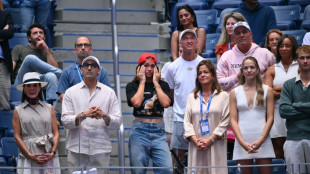 For club and comfort: Rodman makes it to Shelton's US Open final
Ichiro Suzuki is the Japanese Zen master who was so dedicated to baseball that he carried his bats in a moisture-proof case and apologised to their creator when he broke one.
His speed and technique helped redefine baseball and saw him become the first Japanese to reach the Hall of Fame on Tuesday, six years after retiring at the age of 45.
Commonly known by his first name only, Ichiro shattered a host of milestones during his 19 seasons in Major League Baseball, most of which he spent with the Seattle Mariners.
His 4,367 professional hits, including from his nine years in Japan's domestic league, are the most of any player at baseball's top level.
He did it all with a cool swagger, eyes often hidden beneath a pair of wraparound sunglasses as he stepped up to the plate with the number 51 on his back.
Tokyo-based author Robert Whiting, who wrote the book "The Meaning of Ichiro", told AFP that the left-handed batter's speed and technique "changed the way that people looked at baseball".
"Major League Baseball had focused on power, 100 mile-an-hour fastballs and long home runs, but most of his hits were infield singles and he had leg speed," Whiting said.
"Americans hadn't seen that kind of baseball played since the 1920s in the era of Ty Cobb."
- Single-minded devotion -
Ichiro was already 27 when he joined the Mariners in 2001. He enjoyed an electric MLB rookie season, being named the American League's Most Valuable Player.
Japanese pitchers had already proven they could thrive Stateside, but Ichiro was the first of his country's batters to make a splash.
His impact went beyond the field, capturing American fans' imagination with his single-minded devotion to the sport.
His pre-game exercise routine was so intense that opposing team players would turn up early just to watch him, and he looked after his equipment with almost religious care.
When he destroyed a bat in a rare fit of anger in a 1999 game with the Orix BlueWave, he was so mortified that he wrote a letter of apology to the craftsman who made it.
"In Japan we take care of our instruments, our bats and our gloves," Ichiro told American reporters.
"We take care of them well because these things are very important."
Ichiro achieved 10 straight 200-hit seasons, the longest streak by any player in history, and also set the MLB mark for the most hits in a single season with 262.
He became the player with the most career hits of all time in 2016, with his combined tally from Japan and MLB taking him past Pete Rose's previous mark.
Rose, whose hits all came in MLB, was sniffy about the achievement, saying "the next thing you know, you'll be counting his high school hits".
- 'Bordered on hazing' -
Ichiro was unable to move to the US earlier because of an MLB agreement with Japan, but his performances once he got there became an enormous source of pride in his home country.
They also changed American perceptions of Japanese batters, paving the way for future superstars like the Los Angeles Dodgers' Shohei Ohtani.
Whiting said Ichiro gave Japanese players "credibility".
"He's the first Japanese to go into the Hall of Fame -- he won't be the last, but he's the first," he said.
Ichiro's individual achievements never translated into team success. He appeared in the playoffs only once with Seattle and once more after joining the New York Yankees later in his career.
He never played in the World Series, although he did win the inaugural World Baseball Classic with Japan in 2006.
Ichiro also had a stint with the Miami Marlins before returning to Seattle to retire as a Mariner after 28 seasons of professional baseball.
His tireless work ethic was forged in the childhood training sessions he underwent with his father Nobuyuki, who pushed him so hard that Ichiro later said it "bordered on hazing".
The work paid off, making him a Hall of Famer despite possessing a lean physique that was in stark contrast to the hulking sluggers of the day.
"I'd rather impress the chicks with my technique than with my brute strength," he once told reporters.
"Then, every now and again, just to show that I can do that too, I might flirt a little by hitting one out."
L.Torres--PC