Nobel prize goes to mRNA Covid vaccine researchers / Photo: Jonathan NACKSTRAND - AFP

 Austrian writer Stefan Zweig, who fled Nazis, honoured in London
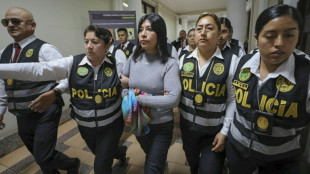 Mexico and Peru reestablish ties after asylum spat

 Dollar drops, stocks climb as weak US jobs data eases rate fears
 Japan defender Tomiyasu joins Crystal Palace
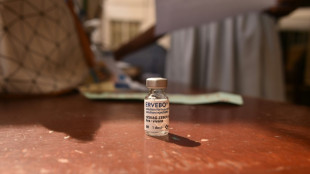
 Celtic boss O'Neill out of hospital after 'small procedure'
 Man City reject Barcelona bid for Rodri - reports
 US unexpectedly loses jobs in blow to Trump ahead of midterms

 Dollar drops, stocks climb after surprise US jobs miss
 Thai students in disbelief after deadly school shooting

 McLaren boss glad of 'harmony' between F1 teammates Norris and Piastri
 Saudi Arabia, Turkey and Pakistan sign defence pact amid regional war

 Maradona bloated, bedridden and resigned before death, says icon's masseur

 Infantino and the failed investment plan -- What they said

 Thailand teen kills seven in home, school shooting

 Volt Funded Launches Globally with Evaluation Program Offering Up to 90% Profit Share
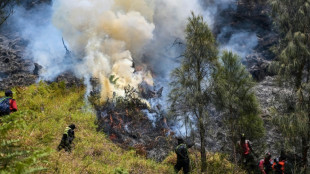 Indonesia battles Mount Bromo wildfire as El Nino takes root

 STARCARES Revamps Basketball Court at the University of Lagos for Future Healthcare Professionals

 Eight dead, including teen suspect's grandparents, in Thailand shooting

 Indonesia traps monkey to end rampage that wounded 18 people
 Food security fears mount as UK farmers battle drought
 Houthi missile attacks kill 58 Saudi-backed Yemeni govt forces
 Chinese activist held in Bangkok finds Canada refuge
 Kiss takes reins as Wallabies face Japan

 North Korea touts dog soup and other home-cooked recipes to beat the heat
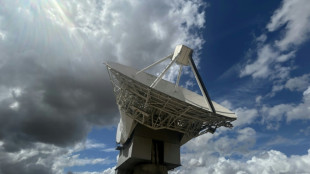 UK observatory nervously watches growing space junk threat

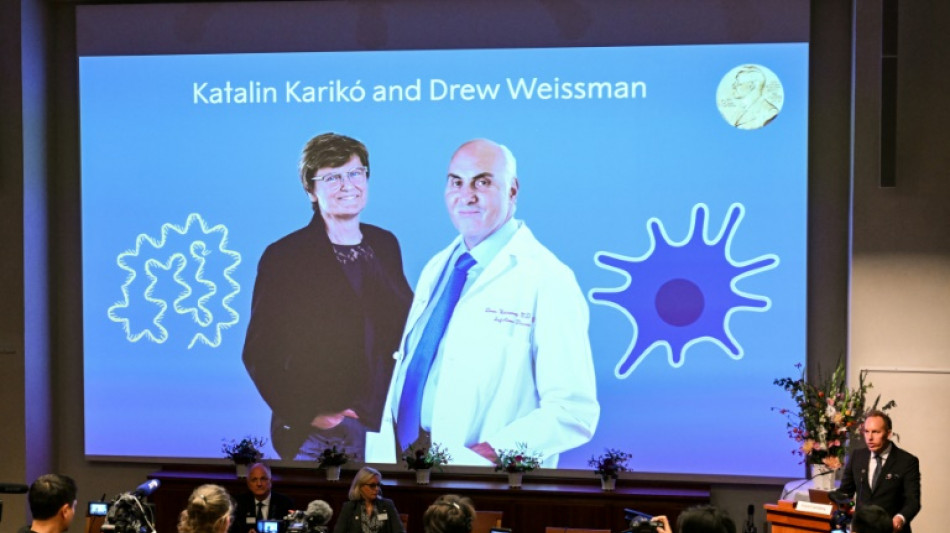
Katalin Kariko and Drew Weissman won the Nobel Medicine Prize on Monday for work on messenger RNA (mRNA) technology that paved the way for groundbreaking Covid-19 vaccines.
The pair, who had been tipped as favourites, "contributed to the unprecedented rate of vaccine development during one of the greatest threats to human health in modern times," the jury said.
The mRNA vaccines were approved for use in December 2020, and together with other Covid vaccines "have saved millions of lives and prevented severe disease in many more," the jury said.
Kariko, 68, and Weissman, 64, longstanding colleagues at the University of Pennsylvania in the US, have won a slew of awards for their research, including the prestigious Lasker Award in 2021, often seen as a precursor to the Nobel.
In honouring the duo this year, the Nobel committee in Stockholm broke with its usual practice of honouring decades-old research to ensure it stands the test of time.
While the prizewinning research dates back to 2005, the first vaccines to use the mRNA technology were those made by Pfizer/BioNTech and Moderna against Covid-19.
Unlike traditional vaccines which use weakened virus or a key piece of the virus' protein, mRNA vaccines provide the genetic molecules that tell cells what proteins to make, which simulates an infection and trains the immune system for when it encounters the real virus.
The honour is surely sweet for Kariko, who toiled in obscurity for years and struggled to convince her superiors of the need for research on "messenger ribonucleic acid".
Speaking to Swedish Radio, she said her late mother used to listen to the Nobel prize announcements in the hopes of hearing her daughter's name.
"She listened year after year. Unfortunately five years ago she passed at the age of 89. She might be listening from above."
In the 1990s, Kariko believed mRNA held the key to treating diseases where having more of the right kind of protein can help -- like repairing the brain after a stroke.
But the University of Pennsylvania, where Kariko was on track for a professorship, decided to pull the plug after the grant rejections piled up.
- Sweet comeback -
Much of the scientific community was at the time focused on using DNA to deliver gene therapy, but Kariko believed that mRNA was also promising since most diseases are not hereditary and don't need solutions that permanently alter our genetics.
First though, she had to overcome the problem of the massive inflammatory response in animal experiments, as the immune system sensed an invader and rushed to fight it.
Kariko and Weissman discovered that one of the four building blocks of the synthetic mRNA was at fault -- and they could overcome the problem by swapping it out with a modified version.
They published a paper on the breakthrough in 2005.
Then, in 2015, they found a new way to deliver mRNA into mice, using a fatty coating called "lipid nanoparticles" that prevent the mRNA from degrading, and help place it inside the right part of cells.
Both these innovations were key to the Covid-19 vaccines developed by Pfizer/BioNTech and Moderna.
Their mRNA technology is now being used to develop other treatments for diseases and illnesses such as cancer, influenza and heart failure.
The pair will receive their Nobel prize, consisting of a diploma, a gold medal and a $1 million cheque, from King Carl XVI Gustaf at a formal ceremony in Stockholm on December 10, the anniversary of the 1896 death of scientist Alfred Nobel who created the prizes in his last will and testament.
The Nobel will however not be the first gold medal in Kariko's family -- her daughter Susan Francia is a two-time time Olympic gold medalist rower.
N.Esteves--PC