-
 British Grand Prix stays on MotoGP calendar until 2028
-
UEFA says boycott of World Cups stands despite FIFA backdown on private investment
-
 Britain's EasyJet flies into US hands as takeover confirmed
-
Rheinmetall sales keep surging despite cancelled naval frigate project
-
 Real Madrid sign Ivory Coast winger Yan Diomande
-
Pogacar teammate Del Toro gets new UAE deal after Tour podium
-
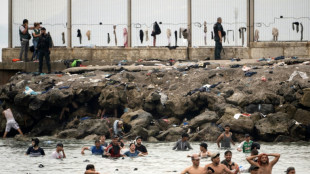 How online disinformation fuelled Ceuta migrant surge
-
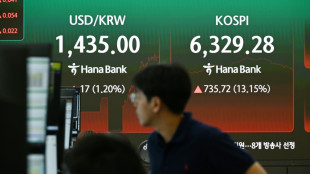
Stocks tread water with earnings, tech in focus
-
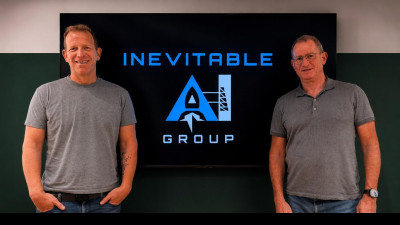 Inevitable AI Group Raises $6M From Aleph to Launch AI-Native SaaS Companies
-
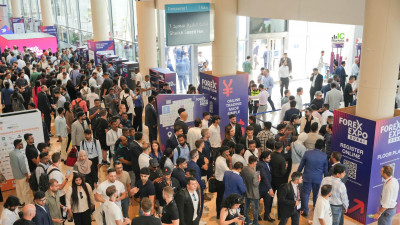
Forex Expo Dubai Announces Opportunity to Win Up to 150 Grams of Gold This September 2026
-
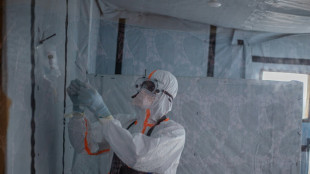 Suspected Ebola death on boat heading for DR Congo capital
-
Forlan named new Uruguay head coach

-
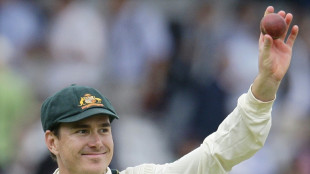 England selector North not 'hung up' on Stokes absence
-
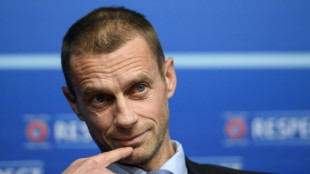
UEFA chief Ceferin: 'Underdog' leader taking fight to FIFA's Infantino
-
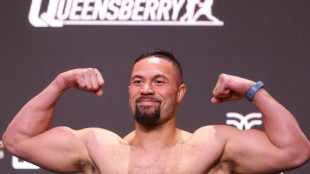 UK Anti-Doping confirm former world champ Parker's ban lifted
-
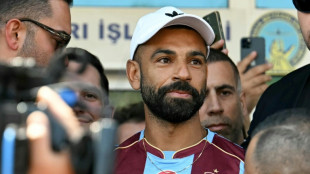
Salah completes move to Turkey's Trabzonspor
-
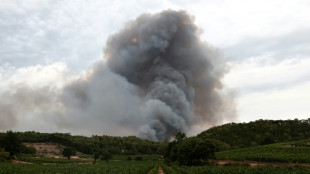 French winemakers dread 'smoky taste' after wildfires
-
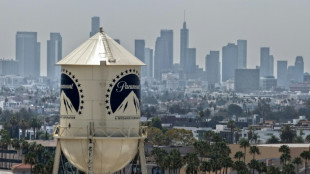
UK clears Paramount's takeover of Warner Bros
-
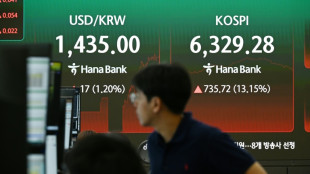 Stocks diverge with earnings, tech in focus
-
North Korea fires ballistic missile: South Korea military

-
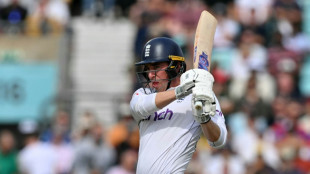 England recall batsman Lawrence for Pakistan series
-
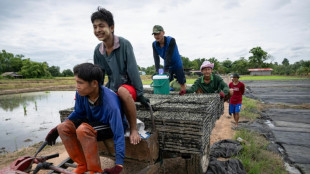
'Don't have to hide': Thai IDs, legal work give hope to Myanmar refugees
-
 Siemens shares plunge on disappointing guidance raise
-
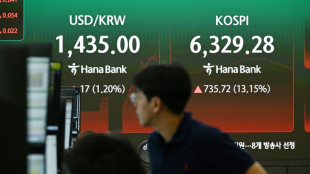
Stocks mixed with tech firms back under pressure
-
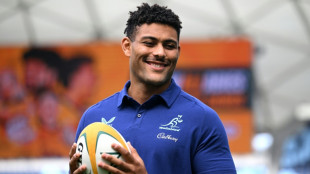 New Australia coach Kiss gives Japan starts to Ross, Amatosero
-
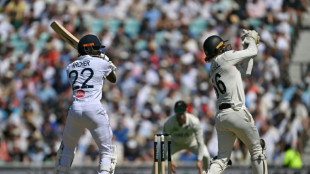
How Blundell's old school tactic ended England's 'Bazball' era
-
 'Stretch our money': Romanians face highest EU inflation
-
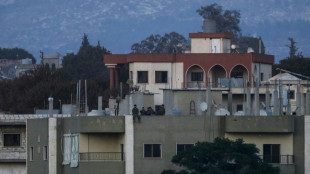
Israel reports troop deaths as Lebanon talks underway in Rome
-
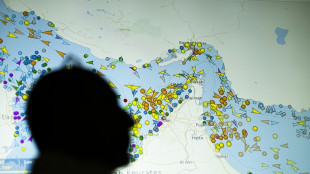 Iran says close to Hormuz plan with Oman, but reopening depends on US
-
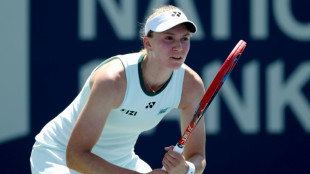
Seeds Rybakina, Pegula, Gauff reach third round at WTA Toronto
-
 Messi scores twice to set Leagues Cup record in Miami victory
-
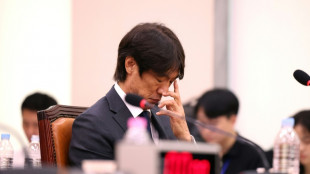
Police raid South Korea FA in probe into World Cup coach appointment
-
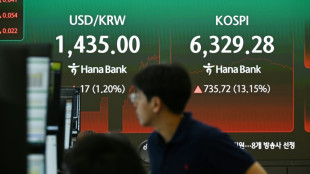 Asian stocks mostly down with tech firms back under pressure
-
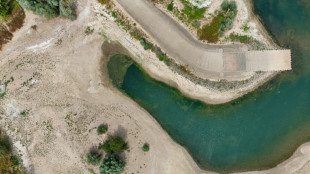
Low water on Germany's Rhine river threatens new blow to economy
-
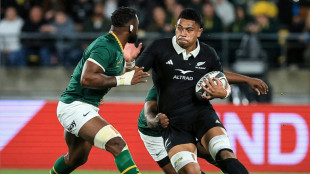 Back to the future as world champion Springboks host All Blacks
-
Ex-Wallabies Foley, Phipps rejoin Waratahs ahead of home World Cup
-
 India youth protests highlight mistrust in 'lapdog' media
-
Rising Kenyan lakes push crocodiles closer to homes
-
 Pacific islands alarmed by Trump-backed push for deep-sea mining
-
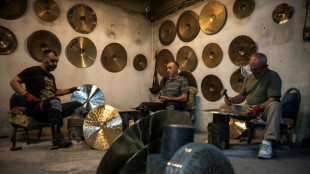
Istanbul cymbals: From Ottoman war tool to pulse of global music
-
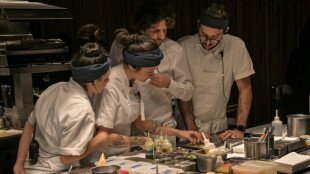 Erratic rains dictate menu at three-star Michelin restaurant in Brazil
-
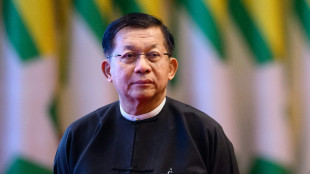
Myanmar ex-junta chief on first Thailand trip as civilian leader
-
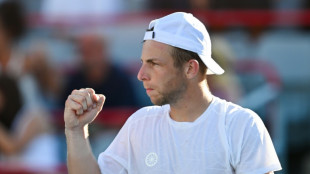 Zverev, Auger-Aliassime and Medvedev exit Montreal Masters
-
Environmental disaster looms as tanker leaks off Oman
-
 Loar Holdings Inc. Reports Q2 2026 Record Results and Upward Revision to 2026 Outlook
-
Google-parent Alphabet shakes up AI division
-
 Embattled Infantino sees minnows Malawi reach WAFCON quarter-finals
-
FIFA back Infantino, apologise for World Cup privatisation plan
-
 Seeds Rybakina, Pegula and Gauff advance at WTA Toronto event
-
Auger-Aliassime out of Montreal ATP event with injury
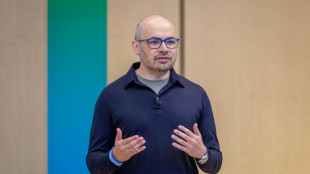
Demis Hassabis, from chess prodigy to Nobel-winning AI pioneer
Long before Demis Hassabis pioneered artificial intelligence techniques to earn a Nobel prize, he was a master of board games.
The London-born son of a Greek-Cypriot father and a Singaporean mother started playing chess when he was just four, rising to the rank of master at 13.
"That's what got me into AI in the first place, playing chess from a young age and thinking and trying to improve my own thought processes," the 48-year-old told journalists after sharing the Nobel prize in chemistry with two other scientists on Wednesday.
It was the second Nobel award in as many days involving artificial intelligence (AI), and Hassabis followed Tuesday's chemistry laureates in warning that the technology they had championed can also "be used for harm".
But rather than doom and gloom warnings of AI apocalypse, the CEO of Google's DeepMind lab described himself as a "cautious optimist".
"I've worked on this my whole life because I believe it's going to be the most beneficial technology to humanity -- but with something that powerful and that transformative, it comes with risks," he said.
- Dabbling in video games -
Hassabis finished high school in north London at the age of 16, and took a gap year to work on video games, co-designing 1994's "Theme Park".
In his 20s, Hassabis won the "pentamind" -- a London event that combines the results of bridge, chess, Go, Mastermind and Scrabble -- five times.
"I would actually encourage kids to play games, but not just to play them... the most important thing is to try and make them," Hassabis said.
He then studied neuroscience at University College London, hoping to learn more about the human brain with the aim of improving nascent AI.
In 2007, the journal Science listed his research among the top 10 breakthroughs of the year.
He co-founded the firm DeepMind in 2010, which then focused on using artificial neural networks -- which are loosely based on the human brain and underpin AI -- to beat humans at board and video games.
Google bought the company four years later.
In 2016, DeepMind became known around the world when its AI-driven computer programme AlphaZero beat the world's top player of the ancient Chinese board game Go.
A year later, AlphaZero beat the world champion chess programme Stockfish, showing it was not a one-game wonder. It also conquered some retro video games.
The point was not to have fun or win games, but to broaden out the capability of AI.
"It's those kinds of learning techniques that have ended up fuelling the modern AI renaissance," Hassabis said.
- Protein power -
Hassabis then turned the power he had been building towards proteins.
These are the building blocks of life, which take the information from DNA's blueprint and turn a cell into something specific, such as a brain cell or muscle cell -- or most anything else.
By the late 1960s, chemists knew that the sequence of 20 amino acids that make up proteins should allow them to predict the three-dimensional structure they would twist and fold into.
But for half a century, no one could accurately predict these 3D structures. There was even a biannual competition dubbed the "protein olympics" for chemists to try their hand.
In 2018, Hassabis and his AlphaFold entered the competition.
Two years later, it did so well that the 50-year-old problem was considered solved.
Around 30,000 scientific papers have now cited AlphaFold, according to DeepMind's John Jumper, who shared Wednesday's Nobel win along with US biochemist David Baker.
"AlphaFold has already been used by more than two million researchers to advance critical work, from enzyme design to drug discovery," Hassabis said.
O.Salvador--PC