-
 Vingegaard begins bid for Giro-Tour double with Pellizzari boosting home hopes
-
Roma's Champions League return back on as Milan, Juve wobble
-
 Tokyo leads Asia stock surge on growing Mideast peace hopes
-
Australia cricket great Warner to 'accept' drink-drive charge: lawyer

-
 Brunson steers Knicks to 2-0 lead with tight win over Sixers
-
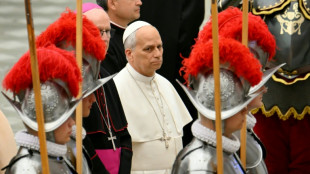
Rubio seeks to ease tensions with US pope
-
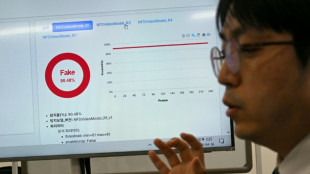 AI disinfo tests South Korean laws ahead of local elections
-
Australian state overturns Melbourne ban on World Cup watch party

-
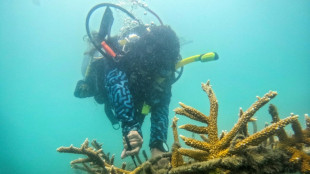 Colombian ex-fisherman swaps trade for saving Caribbean coral
-
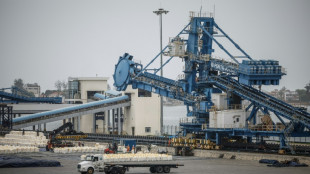
Lobito Corridor: Africa's mega-project facing delivery test
-
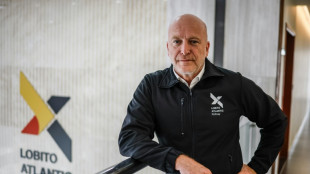 Africa's Lobito Corridor chief tells AFP business, not geopolitics, drives strategy
-
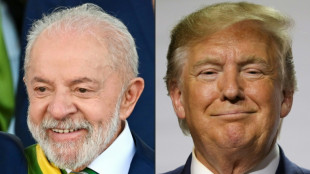
Trump to host Lula in test of fitful relationship
-
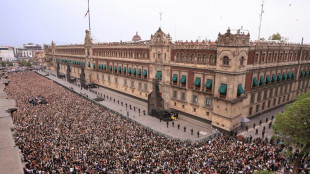 K-pop stars BTS draw 50,000-strong crowd in Mexico
-
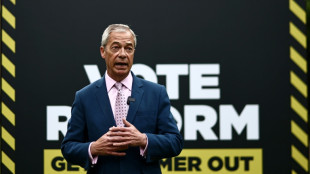
Britons set to punish Starmer's Labour in local polls
-
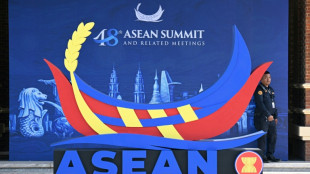 Wars in Middle East, backyard loom over ASEAN summit
-
US court releases purported Epstein suicide note
-
 Israeli court rejects flotilla activists' appeal challenging detention
-
Victim's lawyer alleges Boeing was 'negligent' in 2019 Ethiopian crash
-
 Williamson named in New Zealand squad for Ireland, England Tests
-
PSG add muscle to magic as another Champions League final beckons

-
 Tigers' pitcher Valdez suspended for hitting opponent
-
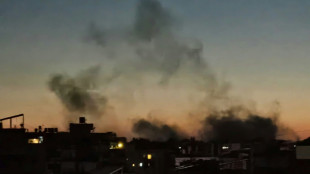
Trump says Iran deal 'very possible' but threatens strikes if talks fail
-
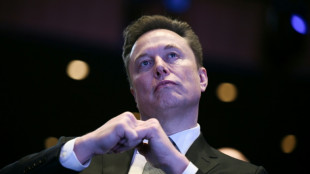 Musk's SpaceX strikes data center deal with Anthropic
-
Bayern lament lack of 'killer' instinct after PSG elimination

-
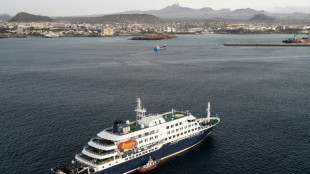
 Virus-hit cruise ship heads for Spain as evacuees land in Europe
-
Holders PSG edge Bayern Munich to reach Champions League final

-
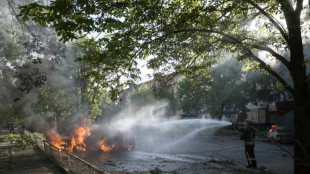 Russia warns diplomats in Kyiv to evacuate in case of strike
-
Hantavirus ship passenger: 'They didn't take it seriously enough'
-
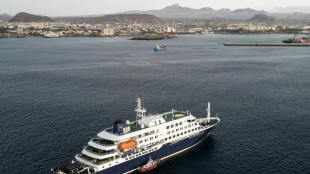 First hantavirus infection could not have been during cruise: WHO expert
-
Kentucky Derby-winner Golden Tempo to skip Preakness Stakes

-
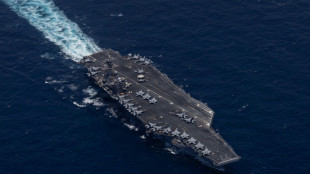 Trump says Iran deal 'very possible', but threatens strikes if not
-
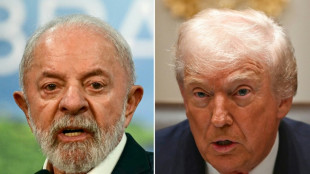
Lula heads to Washington to meet Trump in fraught election year
-
 No timeline for injury return for 'frustrated' Doncic
-
Virus-hit cruise ship evacuees land in Europe

-
 Diallo says Manchester United squad happy if Carrick stays
-
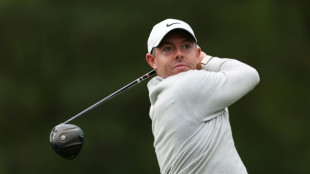
'Motivated' McIlroy ready to tee it up for first time since second Masters win
-
 Klaasen knock fires Hyderabad top of IPL
-
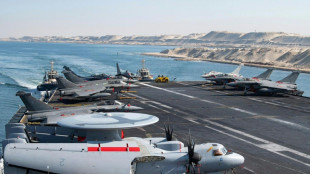
French aircraft carrier pre-positions for possible Hormuz mission
-
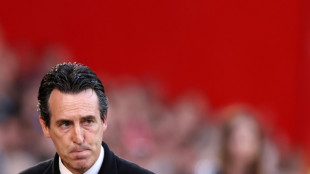 Villa's future is bright even if Europa dream ends: Emery
-
Departing Glasner wants no sadness as Palace eye European glory

-
 Seixas targets victory in Tour warm-up race
-
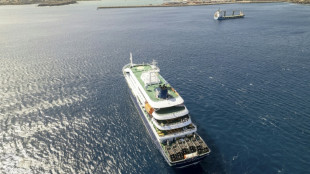
'Oh, gosh': Inside the race to test for cruise ship hantavirus
-
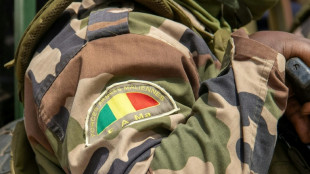 Wave of arrests, abductions after attacks on Mali junta
-
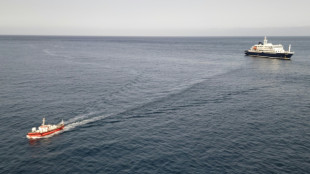
Virus-hit cruise ship evacuees head to Spain, Netherlands
-
 FIFA extends Prestianni ban worldwide
-
EU risks financial hit if Chinese suppliers forced out: trade group
-
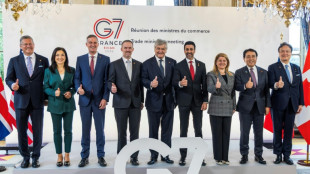 G7 decries 'economic coercion' in swipe at China
-
Pioneering CNN founder Ted Turner dead at 87
-
 CNN founder Ted Turner: 20th century media giant
-
Forest to make late decision on Gibbs-White fitness for Villa Europa semi

Israel's Covert Nuclear Rise
Israel’s emergence as a nuclear power is one of the most secretive and controversial developments in modern geopolitics. While the country has never officially confirmed or denied possessing nuclear weapons, it is widely believed to have developed a sophisticated nuclear arsenal. This article explores the key milestones and strategies that enabled Israel to become a nuclear power while maintaining a policy of deliberate ambiguity.
The Early Beginnings
The origins of Israel’s nuclear program trace back to the 1950s, shortly after the nation’s establishment in 1948. In 1952, the Israel Atomic Energy Commission was created, led by Ernst David Bergmann, a scientist who saw nuclear weapons as essential for Israel’s survival amid regional threats. The young nation, surrounded by hostile neighbors, sought a deterrent that could ensure its security.
A critical step occurred in the late 1950s when Israel began constructing the Dimona nuclear facility in the Negev desert. With significant assistance from France, which provided technology and expertise, the facility was built under a veil of secrecy. Officially labeled a "textile factory," Dimona became the heart of Israel’s nuclear ambitions. By the mid-1960s, it is believed that Israel had produced its first nuclear weapon, though no official records confirm this timeline.
The Policy of Nuclear Ambiguity
Central to Israel’s strategy is its policy of "nuclear ambiguity." This approach avoids explicit confirmation or denial of nuclear weapons possession, allowing Israel to maintain deterrence without triggering an arms race or international backlash. Israeli leaders have adhered to this stance for decades, rarely commenting on their capabilities. However, in 2006, then-Prime Minister Ehud Olmert briefly listed Israel among nuclear-armed states in an interview, a rare slip that was swiftly minimized.
The Whistleblower’s Revelation
The secrecy surrounding Dimona was shattered in 1986 when Mordechai Vanunu, a former technician at the facility, leaked photographs and details to the public. His revelations suggested that Israel possessed between 100 and 200 nuclear warheads, confirming suspicions about its capabilities. Vanunu’s actions led to his abduction by Israeli intelligence and an 18-year prison sentence, underscoring the lengths Israel would go to protect its nuclear program.
Advanced Delivery Systems
Israel’s nuclear arsenal is thought to be supported by a range of delivery systems. The Jericho series of ballistic missiles, initially developed with French assistance, can reportedly carry nuclear warheads over thousands of kilometers. Additionally, Israel’s fleet of Dolphin-class submarines, acquired from Germany, is rumored to be equipped with nuclear-tipped cruise missiles, offering a second-strike capability that enhances its deterrence.
International Stance and Regional Tensions
Israel has never joined the Nuclear Non-Proliferation Treaty (NPT), a decision that has drawn criticism, especially from regional rivals like Iran. Israeli officials maintain that they will not be the first to introduce nuclear weapons into the Middle East, a statement crafted to preserve ambiguity. In recent years, tensions with Iran over its nuclear program have spotlighted Israel’s own capabilities, with Israeli leaders advocating strong measures to prevent Tehran from achieving similar status.
A Lasting Legacy
Israel’s journey to nuclear power relied on strategic partnerships, covert operations, and a steadfast commitment to secrecy. While the full scope of its arsenal remains undisclosed, its status as a nuclear power is rarely questioned today. This reality continues to influence Middle Eastern geopolitics, shaping both regional dynamics and global efforts to curb nuclear proliferation.
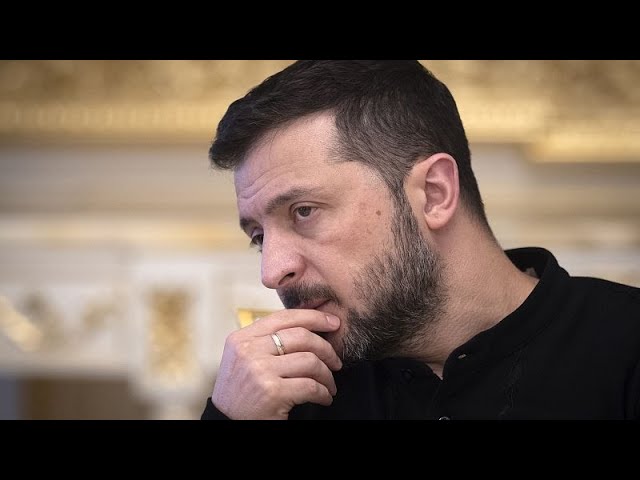
Ukraine: Zelenskyy appeals for international aid
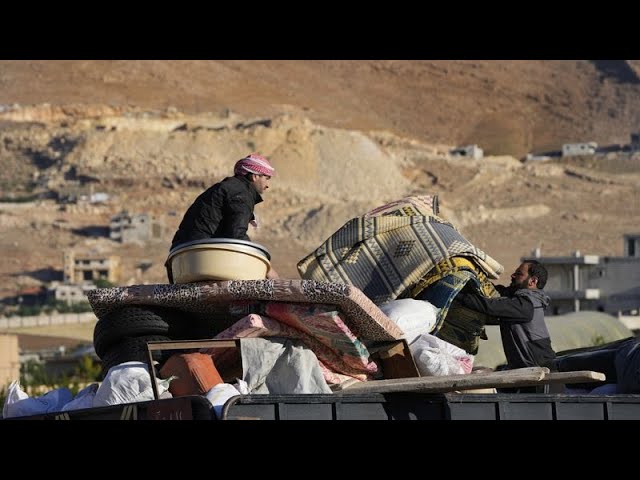
Lebanon: Is a new wave of refugees coming to the EU?
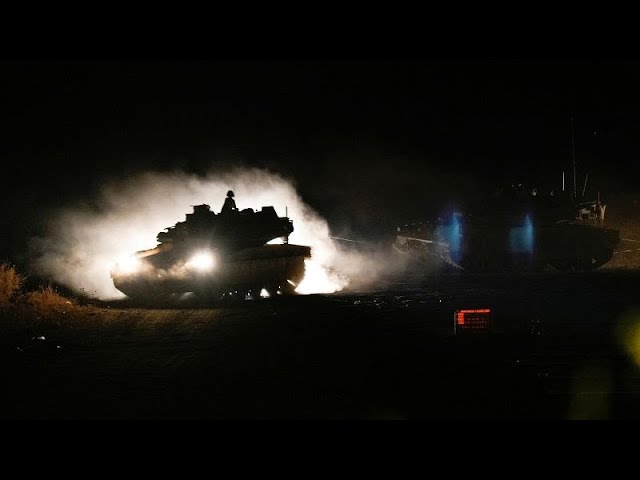
Terrorist state Iran attacks Israel with missiles
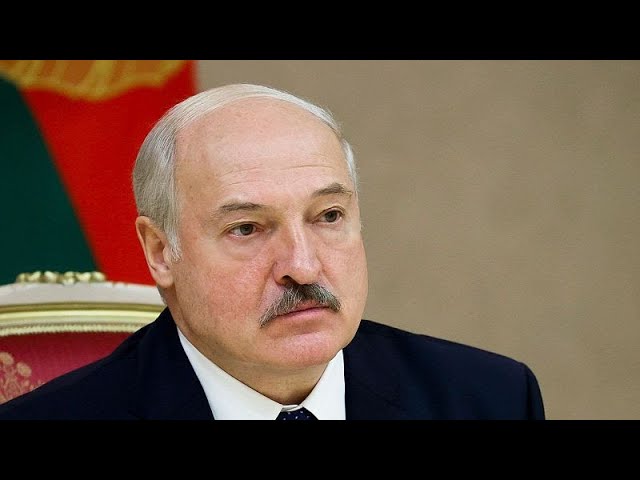
Belarus: ICC investigates dictator Lukashenko
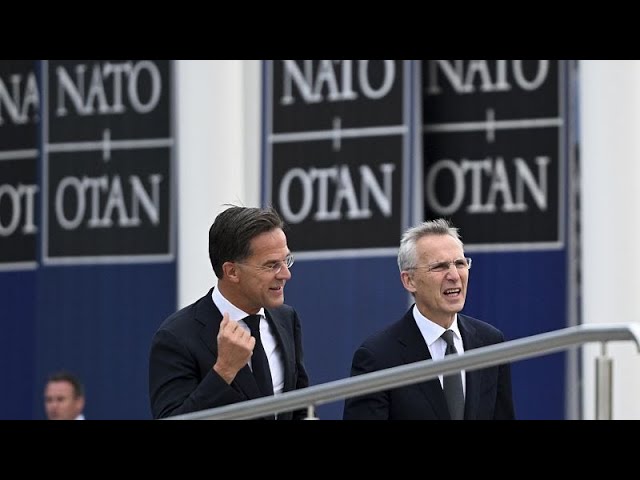
NATO: Ukraine ‘at the top of the list!’
NATO: Ukraine ‘at the top of the list!’
NATO is training to fight cyber attacks

Digital Ocean Twin: Protecting the Oceans

What is the outlook for France’s economy?
What is the outlook for France’s economy?
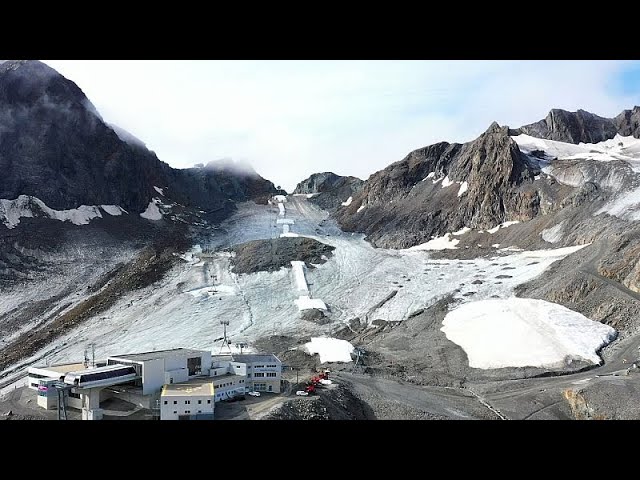
How melting Alpine glaciers affect valleys