-
 Australia cricket great Warner to 'accept' drink-drive charge: lawyer
-
Brunson steers Knicks to 2-0 lead with tight win over Sixers

-
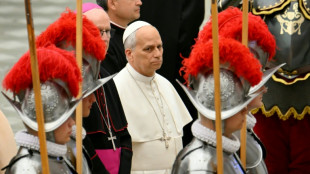 Rubio seeks to ease tensions with US pope
-
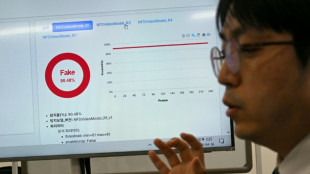
AI disinfo tests South Korean laws ahead of local elections
-
 Australian state overturns Melbourne ban on World Cup watch party
-
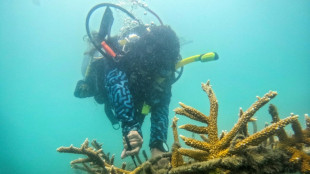
Colombian ex-fisherman swaps trade for saving Caribbean coral
-
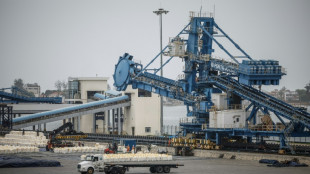 Lobito Corridor: Africa's mega-project facing delivery test
-
Africa's Lobito Corridor chief tells AFP business, not geopolitics, drives strategy

-
 Trump to host Lula in test of fitful relationship
-
K-pop stars BTS draw 50,000-strong crowd in Mexico
-
 Britons set to punish Starmer's Labour in local polls
-
Wars in Middle East, backyard loom over ASEAN summit

-
 US court releases purported Epstein suicide note
-
Israeli court rejects flotilla activists' appeal challenging detention

-
 Victim's lawyer alleges Boeing was 'negligent' in 2019 Ethiopian crash
-
Williamson named in New Zealand squad for Ireland, England Tests
-
 PSG add muscle to magic as another Champions League final beckons
-
Tigers' pitcher Valdez suspended for hitting opponent
-
 Trump says Iran deal 'very possible' but threatens strikes if talks fail
-
Musk's SpaceX strikes data center deal with Anthropic
-
 Bayern lament lack of 'killer' instinct after PSG elimination
-
Virus-hit cruise ship heads for Spain as evacuees land in Europe

-
 Holders PSG edge Bayern Munich to reach Champions League final
-
Russia warns diplomats in Kyiv to evacuate in case of strike
-
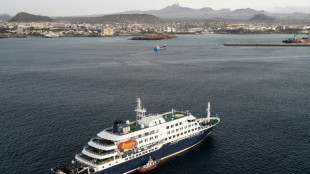 Hantavirus ship passenger: 'They didn't take it seriously enough'
-
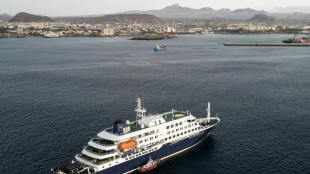
First hantavirus infection could not have been during cruise: WHO expert
-
 Kentucky Derby-winner Golden Tempo to skip Preakness Stakes
-
Trump says Iran deal 'very possible', but threatens strikes if not

-
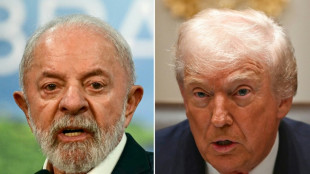 Lula heads to Washington to meet Trump in fraught election year
-
No timeline for injury return for 'frustrated' Doncic

-
 Virus-hit cruise ship evacuees land in Europe
-
Diallo says Manchester United squad happy if Carrick stays

-
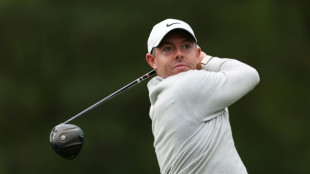 'Motivated' McIlroy ready to tee it up for first time since second Masters win
-
Klaasen knock fires Hyderabad top of IPL

-
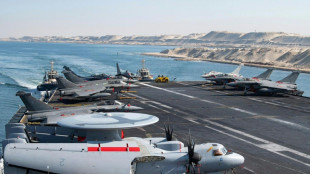 French aircraft carrier pre-positions for possible Hormuz mission
-
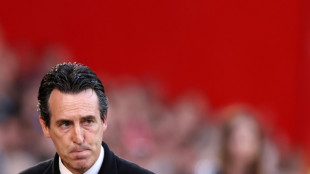
Villa's future is bright even if Europa dream ends: Emery
-
 Departing Glasner wants no sadness as Palace eye European glory
-
Seixas targets victory in Tour warm-up race

-
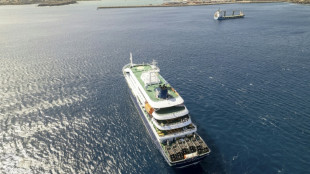 'Oh, gosh': Inside the race to test for cruise ship hantavirus
-
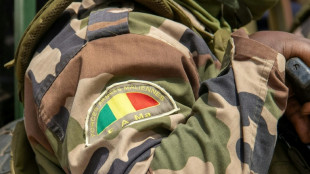
Wave of arrests, abductions after attacks on Mali junta
-
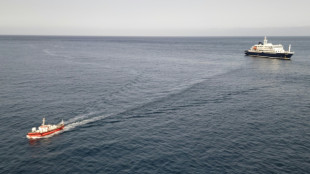 Virus-hit cruise ship evacuees head to Spain, Netherlands
-
FIFA extends Prestianni ban worldwide

-
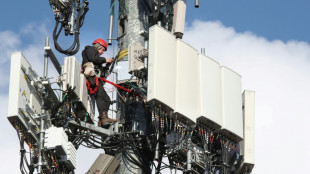 EU risks financial hit if Chinese suppliers forced out: trade group
-
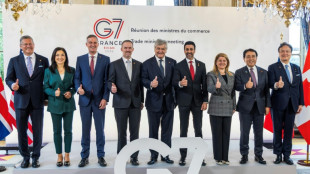
G7 decries 'economic coercion' in swipe at China
-
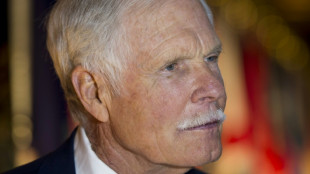
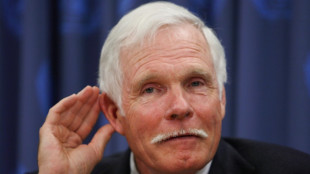 Pioneering CNN founder Ted Turner dead at 87
-
CNN founder Ted Turner: 20th century media giant
-
 Forest to make late decision on Gibbs-White fitness for Villa Europa semi
-
Malian singer Rokia Traore gets suspended jail in Belgian custody case

-
 Disney shares jump after results top expectations
-
Cruise ship passenger with hantavirus being treated in Zurich

Trump vs. EU: A good deal?
At the end of July 2025, US President Donald Trump and EU Commission President Ursula von der Leyen presented a transatlantic trade agreement at the Turnberry golf resort in Scotland, signalling a surprise agreement after months of escalating threats of punitive tariffs. At its heart is a 15% cap on almost all EU goods exported to the United States, while Brussels will in return scrap all tariffs on US industrial goods – a paradigm shift from the previous ‘zero tariff symmetry’.
In addition, the European Union has committed to purchasing US energy worth 750 billion dollars by 2028 and investing 600 billion dollars in American sites. These commitments are intended not only to improve the US trade balance, but also to reduce European dependence on third countries. Steel, aluminium and copper are exempt from the 15 per cent cap – here, surcharges of 50 per cent remain in place, which will hit traditional EU export industries particularly hard.
The legal framework for implementation is a presidential order signed on 31 July, which comes into force seven days later and adjusts the US Harmonised Tariff Schedule accordingly. Washington is selling the result as a ‘historic recalibration’ of trade relations; Brussels emphasises that it has averted an escalation of the announced 30% punitive tariffs and gained planning security.
But criticism in Europe is loud: German Chancellor Friedrich Merz warns of ‘considerable damage’ to competitiveness, while French Prime Minister François Bayrou speaks of a ‘dark day’ for industry. Economists expect many EU companies to have to choose between sacrificing margins and adjusting prices in the US – with potential inflationary and demand effects on both sides of the Atlantic.
In the medium term, the agreement is likely to cause massive shifts in supply chains: the US energy and defence sectors will benefit immediately, while European car and machine manufacturers will increasingly build up production capacities in North America – a trend that is already evident in current investment plans and reveals the complete incompetence of European politicians! However, before the package becomes legally binding, the 27 EU member states and the European Parliament must ‘still’ give their approval; several MEPs have announced a detailed review of the ‘asymmetrical agreement’.
Whether the agreement represents a stable new trade order or merely a respite depends on whether Brussels forces renegotiations – and whether Washington honours its commitments on market opening, investment and tariff reductions in the long term.

Ukraine: Zelenskyy appeals for international aid
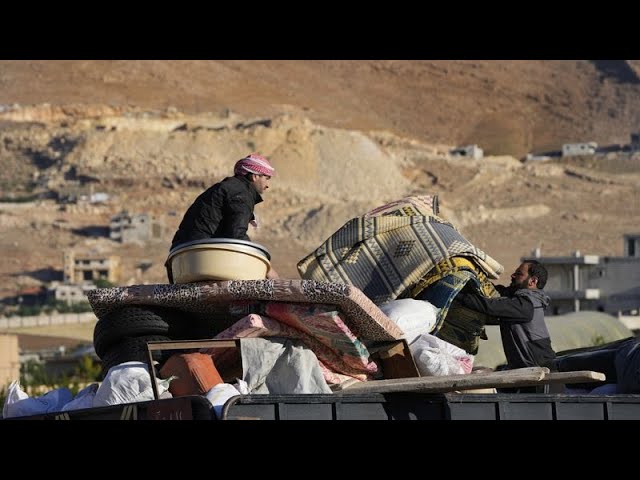
Lebanon: Is a new wave of refugees coming to the EU?

Terrorist state Iran attacks Israel with missiles
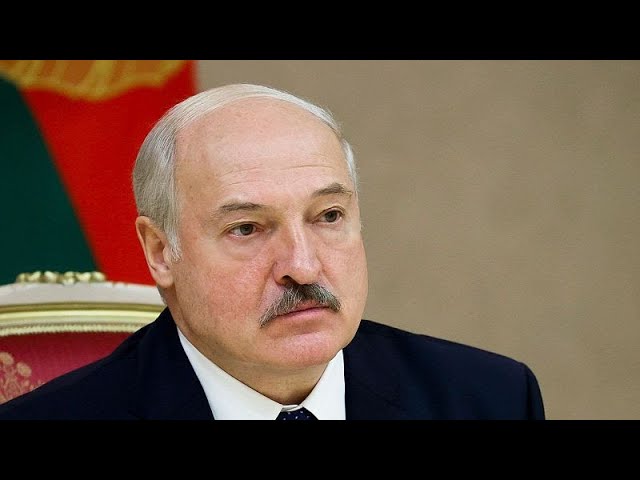
Belarus: ICC investigates dictator Lukashenko
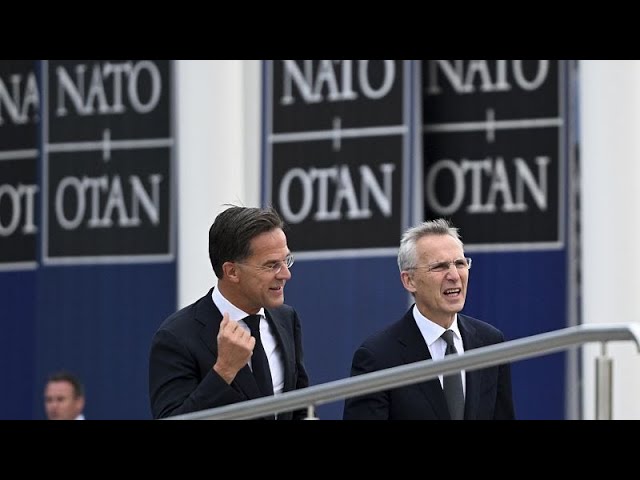
NATO: Ukraine ‘at the top of the list!’
NATO: Ukraine ‘at the top of the list!’
NATO is training to fight cyber attacks

Digital Ocean Twin: Protecting the Oceans
What is the outlook for France’s economy?
What is the outlook for France’s economy?
How melting Alpine glaciers affect valleys