-
 Australia to force gas giants to reserve fuel for domestic use
-
AirAsia signs $19bn deal for 150 Airbus A220 jets
-
 Japan fires missiles during drills, drawing China rebuke
-
Toluca rout Son's LAFC to set up all-Mexican CONCACAF final

-
 Vingegaard begins bid for Giro-Tour double with Pellizzari boosting home hopes
-
Roma's Champions League return back on as Milan, Juve wobble

-
 Tokyo leads Asia stock surge on growing Mideast peace hopes
-
Australia cricket great Warner to 'accept' drink-drive charge: lawyer

-
 Brunson steers Knicks to 2-0 lead with tight win over Sixers
-
Rubio seeks to ease tensions with US pope

-
 AI disinfo tests South Korean laws ahead of local elections
-
Australian state overturns Melbourne ban on World Cup watch party

-
 Colombian ex-fisherman swaps trade for saving Caribbean coral
-
Lobito Corridor: Africa's mega-project facing delivery test
-
 Africa's Lobito Corridor chief tells AFP business, not geopolitics, drives strategy
-
Trump to host Lula in test of fitful relationship
-
 K-pop stars BTS draw 50,000-strong crowd in Mexico
-
Britons set to punish Starmer's Labour in local polls
-
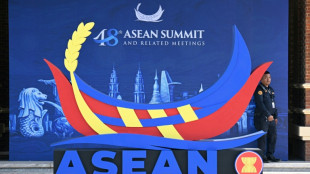 Wars in Middle East, backyard loom over ASEAN summit
-
US court releases purported Epstein suicide note

-
 Israeli court rejects flotilla activists' appeal challenging detention
-
Victim's lawyer alleges Boeing was 'negligent' in 2019 Ethiopian crash
-
 Williamson named in New Zealand squad for Ireland, England Tests
-
PSG add muscle to magic as another Champions League final beckons

-
 Tigers' pitcher Valdez suspended for hitting opponent
-
Trump says Iran deal 'very possible' but threatens strikes if talks fail

-
 Musk's SpaceX strikes data center deal with Anthropic
-
Bayern lament lack of 'killer' instinct after PSG elimination

-
 Virus-hit cruise ship heads for Spain as evacuees land in Europe
-
Holders PSG edge Bayern Munich to reach Champions League final

-
 Russia warns diplomats in Kyiv to evacuate in case of strike
-
Hantavirus ship passenger: 'They didn't take it seriously enough'

-
 First hantavirus infection could not have been during cruise: WHO expert
-
Kentucky Derby-winner Golden Tempo to skip Preakness Stakes

-
 Trump says Iran deal 'very possible', but threatens strikes if not
-
Lula heads to Washington to meet Trump in fraught election year
-
 No timeline for injury return for 'frustrated' Doncic
-
Virus-hit cruise ship evacuees land in Europe

-
 Diallo says Manchester United squad happy if Carrick stays
-
'Motivated' McIlroy ready to tee it up for first time since second Masters win

-
 Klaasen knock fires Hyderabad top of IPL
-
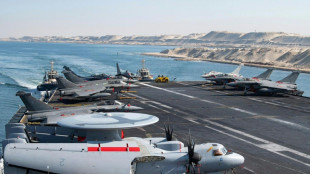
French aircraft carrier pre-positions for possible Hormuz mission
-
 Villa's future is bright even if Europa dream ends: Emery
-
Departing Glasner wants no sadness as Palace eye European glory

-
 Seixas targets victory in Tour warm-up race
-
'Oh, gosh': Inside the race to test for cruise ship hantavirus

-
 Wave of arrests, abductions after attacks on Mali junta
-
Virus-hit cruise ship evacuees head to Spain, Netherlands

-
 FIFA extends Prestianni ban worldwide
-
EU risks financial hit if Chinese suppliers forced out: trade group
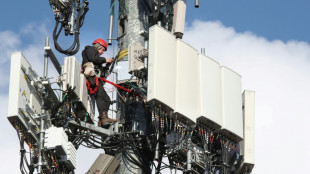
China’s profitless push
Can we keep up? Chinese companies are sacrificing margins—sometimes incurring outright losses—to win global market share in strategic industries from electric vehicles and batteries to solar and consumer tech. The tactic is turbocharging exports, pressuring Western competitors and forcing policymakers in Europe and the United States to erect new defenses while they scramble to lower costs at home.
Electric vehicles: a race to the bottom on price. In late spring 2025, China’s largest carmakers unleashed another round of steep price cuts, with entry-level models reduced to mass-market price points. Regulators in Beijing have since urged manufacturers to rein in the bruising price war, citing risks to industry health and employment. Yet the incentives keep coming as dozens of brands fight for share in the world’s most competitive EV market. The financial fallout is visible: leading pure-play EV makers continue to post substantial quarterly losses, while ambitious new entrants have acknowledged that their car divisions remain in the red even as sales surge.
Green tech: overcapacity meets collapsing margins. China’s build-out in solar has morphed from a growth engine into a profitability trap. Module and polysilicon prices have fallen so far that key manufacturers forecast sizeable half-year losses, and producers are now discussing a coordinated effort to shutter older capacity. Industry reports describe spot prices for feedstocks dipping below production costs, a hallmark of cut-throat competition that spills over into export markets and undercuts rivals globally.
Trade blowback intensifies. The U.S. has moved to quadruple tariffs on Chinese-made EVs and lift duties on batteries, chips and solar cells. The European Union has imposed definitive countervailing duties on Chinese battery-electric cars and opened additional probes across green-tech supply chains. Brussels and Beijing have even explored minimum export prices to reduce undercutting—an extraordinary step that underscores how acute the pricing pressure has become.
Deflation at the factory gate. China’s factory-gate prices remain in negative territory year on year, reflecting slack domestic demand and excess capacity. That weakness transmits abroad via cheaper exports, squeezing margins for manufacturers elsewhere and complicating central banks’ inflation-fighting calculus. Beijing has rolled out an “anti-involution” campaign to curb ruinous discounting and steer investment toward “high-quality growth,” but implementation is uneven and local governments still depend on industrial output to stabilize employment.
Scale, speed—and logistics. Chinese champions are not only cutting prices; they are redesigning logistics to keep them low. One leading EV maker has built its own fleet of car carriers and is localizing production via overseas factories to sidestep tariffs and port bottlenecks. Such vertical integration magnifies the advantage from sprawling domestic supply chains in batteries, motors and power electronics.
What this means for Western competitors. The immediate effect is a margin squeeze across autos, solar and adjacent sectors. The strategic response taking shape in Europe and the U.S. is three-pronged: (1) trade defense to buy time; (2) industrial policy to catalyze domestic gigafactories and clean-tech manufacturing; and (3) consolidation to rebuild pricing power. Companies that cannot match China’s cost curve will need to differentiate—through software, design, brand and service—or partner to gain scale. Even in China, the current “profitless prosperity” looks unsustainable: consolidation is inevitable, and state guidance now favors capacity rationalization over raw volume.
The bottom line. China’s price-first strategy is remaking global competition. Whether others can keep up will hinge on how quickly they can de-risk supply chains, compress costs and innovate without hollowing out profitability. For now, the contest is being fought as much on balance sheets as it is on assembly lines.

Can Poland Rescue Europe?
Finance’s Role in Economic Ruin
Trump’s Tariffs Spark Global Fear

Georgia Slips into Russia’s Grasp

Trump’s Ukraine Economic Colony Plan Stirs Debate
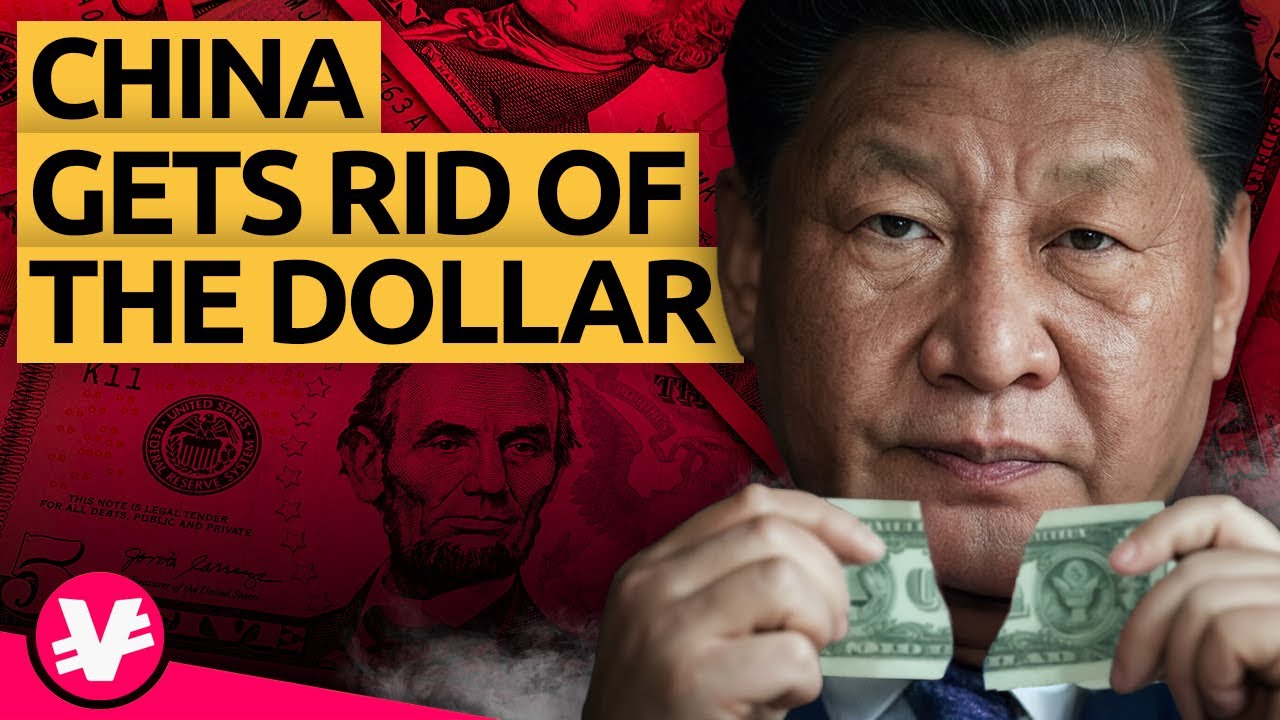
China Targets Dollar at US Critical Moment

EU Pledges €800 Billion for Defence to Deter Russia

Israel escalates War to crush Hamas

Trump, Putin and the question: What now?
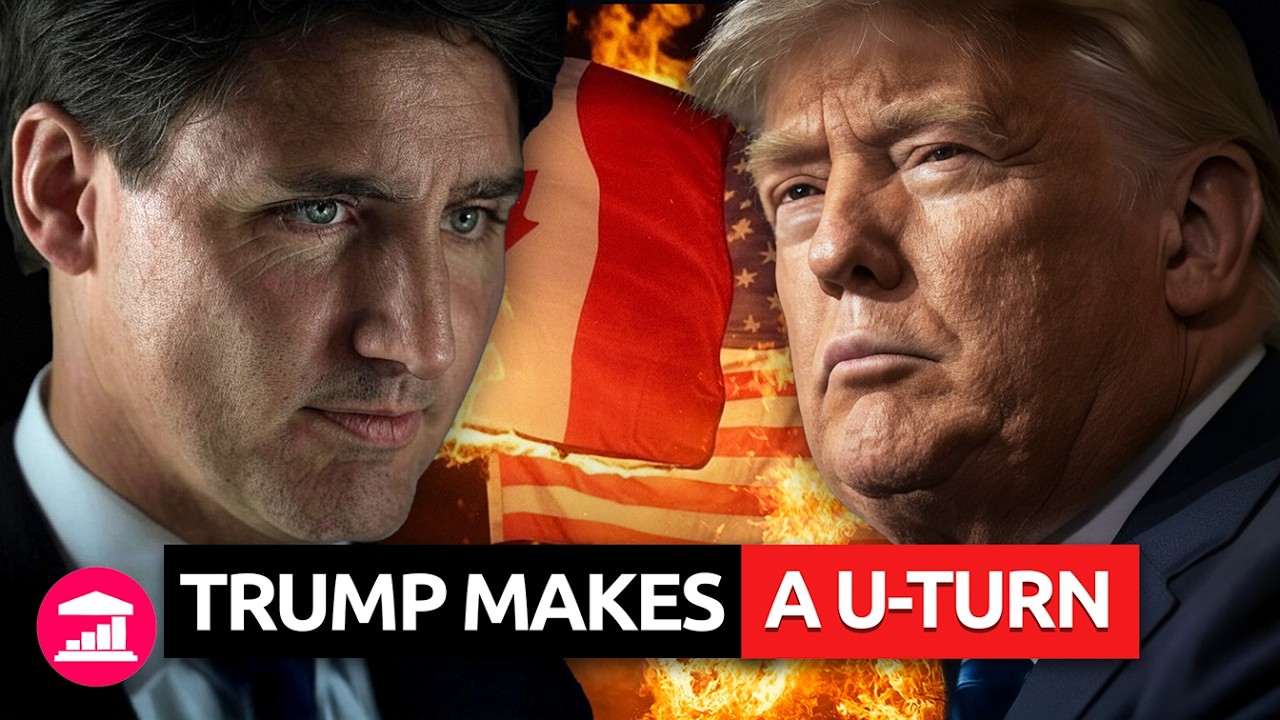
Canada challenges Trump on Tariffs

Nuclear weapons for Poland against Russia?