-
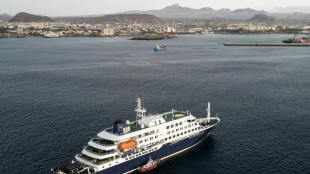 First hantavirus infection could not have been during cruise: WHO expert
-
Kentucky Derby-winner Golden Tempo to skip Preakness Stakes

-
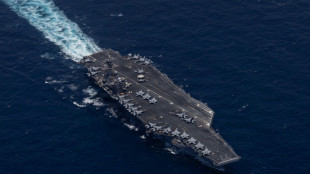 Trump says Iran deal 'very possible', but threatens strikes if not
-
Lula heads to Washington to meet Trump in fraught election year

-
 No timeline for injury return for 'frustrated' Doncic
-
Virus-hit cruise ship evacuees land in Europe
-
 Diallo says Manchester United squad happy if Carrick stays
-
'Motivated' McIlroy ready to tee it up for first time since second Masters win

-
 Klaasen knock fires Hyderabad top of IPL
-
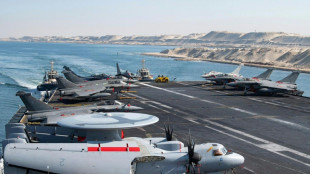
French aircraft carrier pre-positions for possible Hormuz mission
-
 Villa's future is bright even if Europa dream ends: Emery
-
Departing Glasner wants no sadness as Palace eye European glory

-
 Seixas targets victory in Tour warm-up race
-
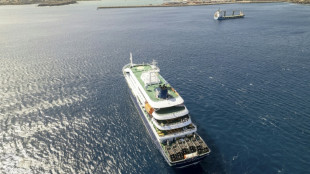
'Oh, gosh': Inside the race to test for cruise ship hantavirus
-
 Wave of arrests, abductions after attacks on Mali junta
-
Virus-hit cruise ship evacuees head to Spain, Netherlands

-
 FIFA extends Prestianni ban worldwide
-
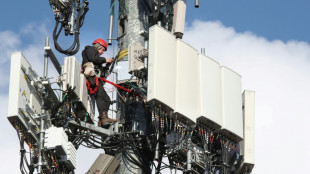
EU risks financial hit if Chinese suppliers forced out: trade group
-
 G7 decries 'economic coercion' in swipe at China
-
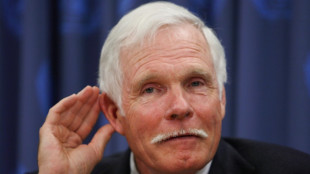
Pioneering CNN founder Ted Turner dead at 87
-
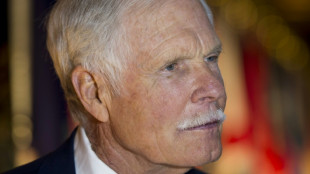 CNN founder Ted Turner: 20th century media giant
-
Forest to make late decision on Gibbs-White fitness for Villa Europa semi

-
 Malian singer Rokia Traore gets suspended jail in Belgian custody case
-
Disney shares jump after results top expectations

-
 Cruise ship passenger with hantavirus being treated in Zurich
-
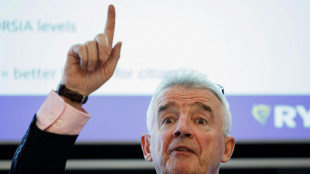
Ryanair's O'Leary urges pre-flight morning booze ban
-
 Ghana artist's billboard campaign takes aim at fast fashion fallout
-
Biogas helps cut bills, deforestation in east DR Congo

-
 Protests as Venice Biennale opens in turmoil over Russian presence
-
Zelensky says Russia choosing war as dual ceasefires falter

-
 Paris gets taste of Nigeria's Nollywood
-
Simeone, Atletico at crossroads after Arsenal Champions League KO

-
 Indonesia eyes e-commerce ban for under-16s: minister to AFP
-
Three evacuated from hantavirus-hit cruise ship

-
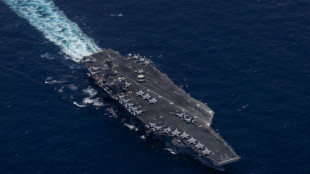 US pauses guiding ships through Hormuz, cites Iran deal hopes
-
Venezuela to ICJ: Rights to oil-rich region 'inalienable'

-
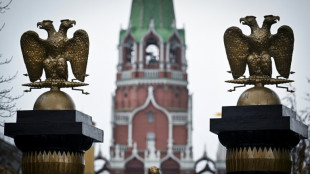 Former Russian insider says fear pushed elites to embrace Putin war
-
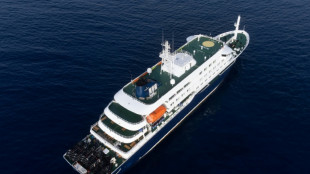
Evacuations 'ongoing' from hantavirus-hit cruise ship
-
 Oil tumbles and stocks rally on peace hopes, Samsung tops $1 trillion
-
Asia football fans sweat on broadcast rights as World Cup nears

-
 US pauses Hormuz escorts, Trump says progress on Iran deal
-
Cambodian PM's cousin says owned 30% of scam-linked firm
-
 Hegseth's church brings its Christian nationalism to Washington
-
Afrobeats' Tiwa Savage nurtures Africa's future talent

-
 Venice Biennale opens in turmoil over Russian presence
-
Philips profits double in first quarter
-
 Strasbourg on verge of European final amid fan displeasure at owners BlueCo
-
Tradition, Trump and tennis: Five things about Pope Leo
-
 100 years on Earth: Iconic naturalist Attenborough marks century
-
Bondi Beach mass shooting accused faces 19 extra charges

Embraer’s 950% surge
Embraer has rewritten the aerospace playbook. From a once-overlooked regional specialist, the Brazilian manufacturer has emerged as the industry’s quiet juggernaut—outpacing its far larger rivals in shareholder returns and converting a focused product strategy into record commercial momentum. Since the pandemic trough, Embraer’s New York–listed shares have risen by well over ninefold, vaulting from single digits to new highs and putting a spotlight on how a disciplined “middle-of-the-market” bet can beat scale.
At the heart of the surge is a portfolio calibrated for today’s constraints. Where Boeing fights through quality and compliance crises and Airbus wrestles with capacity limits and engine supply headaches, Embraer has leaned into the 70–150 seat segment with its second-generation E-Jets, expanded a resilient business-jet franchise, and steadily racked up wins for its C-390 Millennium airlifter. The result: an all-time-high firm order backlog nearing $30 billion this summer, alongside quarter-record revenues and deliveries. In a supply-choked world, dependable execution is a strategy—and it shows.
Commercial aviation is the spear tip. Flagship orders in 2025—from Japan’s ANA for E190-E2s to a landmark SAS deal for up to 55 E195-E2s—signaled that network planners across developed markets want lower trip costs without sacrificing comfort or range. E2 economics have given carriers a credible alternative to deploying larger narrowbodies on thin or regional routes, and Embraer’s cabin design (no middle seat, fast turns) aligns neatly with post-pandemic route rebuilding. New-market beachheads in Mexico and continued growth with operators in Europe and the Americas are translating into delivery growth that’s outpacing last year.
Defense has become the dark horse. The C-390 Millennium, once a niche challenger, has turned into Europe’s go-to Hercules alternative, notching selections and orders across NATO and beyond. Beyond mission flexibility and speed, Embraer’s willingness to localize industrial footprints in Europe has strengthened its political and logistical case. As defense budgets rose, that combination—performance plus partnership—pulled the program into the mainstream and diversified group earnings just as commercial demand returned.
Then there is executive aviation, an underestimated earnings engine. Phenom and Praetor jets continue to compound on the back of strong utilization, fleet replacements, and aftermarket growth. Together with services and support, these businesses have added ballast to Embraer’s cash generation and helped smooth cyclicality—another reason the equity rerated higher rather than snapping back to pre-crisis multiples.
The competitive contrast is stark. Airbus remains the global delivery leader with a gargantuan backlog—but constrained slots mean years-long waits, particularly in single-aisles. Boeing, meanwhile, is still working through a prolonged manufacturing and oversight reset that has capped output and sapped buyer confidence. Embraer isn’t “bigger” than either; it’s simply been better positioned to deliver reliable capacity now, in exactly the seat ranges airlines can actually crew, fuel, and fill profitably. In public markets, timing and credibility compound.
None of this is risk-free. The E2 family’s reliance on geared-turbofan technology ties Embraer to an engine ecosystem still normalizing after widespread inspection programs. Trade policy is a new wild card, with tariff chatter periodically jolting shares. And the urban-air-mobility bet via Eve remains a long-dated option, not a 2025 cash cow. But the core machine—commercial E-Jets, executive jets, C-390, and services—is running at record velocity with improving mix and scale.
“Destroyed” may be the language of headlines; what’s indisputable is the scoreboard: since its pandemic low, Embraer has delivered a stock performance that has eclipsed both transatlantic giants, while building a backlog and delivery cadence that validate its strategic lane. In today’s aerospace cycle, the middle seat wins.

US China race hits 2027

Brussels misreads Magyar

Scandic Coin, (SNC) and Trust

Global finance in few hands

AI's 18-month Job disruption

Iran war fuels terror risks

Bitcoin slump stirs doubt

Will US Forces Invade Iran?

Syria's forgotten tragedy

Ultimatum Spurs Credit Panic
Trump fears Asia's oil shock