-
 Israeli court rejects flotilla activists' appeal challenging detention
-
Victim's lawyer alleges Boeing was 'negligent' in 2019 Ethiopian crash

-
 Williamson named in New Zealand squad for Ireland, England Tests
-
PSG add muscle to magic as another Champions League final beckons

-
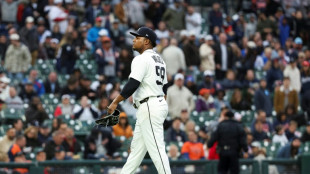 Tigers' pitcher Valdez suspended for hitting opponent
-
Trump says Iran deal 'very possible' but threatens strikes if talks fail
-
 Musk's SpaceX strikes data center deal with Anthropic
-
Bayern lament lack of 'killer' instinct after PSG elimination

-
 Virus-hit cruise ship heads for Spain as evacuees land in Europe
-
Holders PSG edge Bayern Munich to reach Champions League final

-
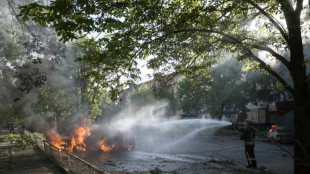 Russia warns diplomats in Kyiv to evacuate in case of strike
-
Hantavirus ship passenger: 'They didn't take it seriously enough'

-
 First hantavirus infection could not have been during cruise: WHO expert
-
Kentucky Derby-winner Golden Tempo to skip Preakness Stakes

-
 Trump says Iran deal 'very possible', but threatens strikes if not
-
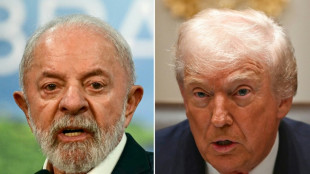
Lula heads to Washington to meet Trump in fraught election year
-
 No timeline for injury return for 'frustrated' Doncic
-
Virus-hit cruise ship evacuees land in Europe

-
 Diallo says Manchester United squad happy if Carrick stays
-
'Motivated' McIlroy ready to tee it up for first time since second Masters win

-
 Klaasen knock fires Hyderabad top of IPL
-
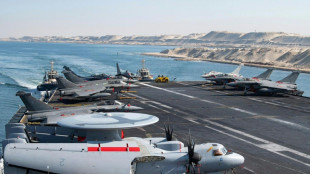
French aircraft carrier pre-positions for possible Hormuz mission
-
 Villa's future is bright even if Europa dream ends: Emery
-
Departing Glasner wants no sadness as Palace eye European glory

-
 Seixas targets victory in Tour warm-up race
-
'Oh, gosh': Inside the race to test for cruise ship hantavirus

-
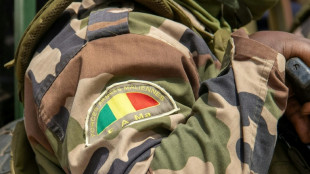 Wave of arrests, abductions after attacks on Mali junta
-
Virus-hit cruise ship evacuees head to Spain, Netherlands

-
 FIFA extends Prestianni ban worldwide
-
EU risks financial hit if Chinese suppliers forced out: trade group

-
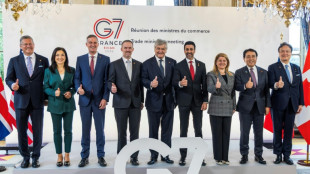 G7 decries 'economic coercion' in swipe at China
-
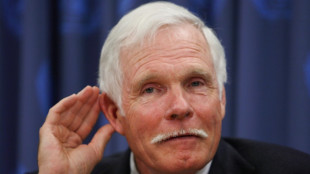
Pioneering CNN founder Ted Turner dead at 87
-
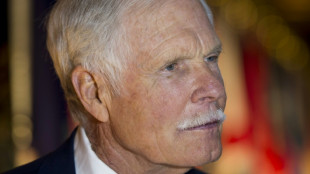 CNN founder Ted Turner: 20th century media giant
-
Forest to make late decision on Gibbs-White fitness for Villa Europa semi

-
 Malian singer Rokia Traore gets suspended jail in Belgian custody case
-
Disney shares jump after results top expectations

-
 Cruise ship passenger with hantavirus being treated in Zurich
-
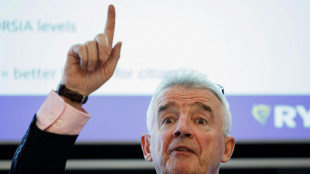
Ryanair's O'Leary urges pre-flight morning booze ban
-
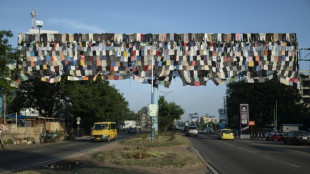 Ghana artist's billboard campaign takes aim at fast fashion fallout
-
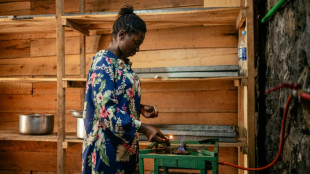
Biogas helps cut bills, deforestation in east DR Congo
-
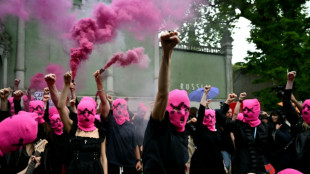 Protests as Venice Biennale opens in turmoil over Russian presence
-
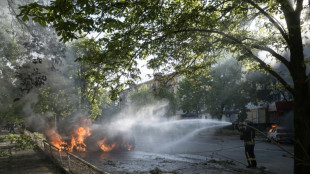
Zelensky says Russia choosing war as dual ceasefires falter
-
 Paris gets taste of Nigeria's Nollywood
-
Simeone, Atletico at crossroads after Arsenal Champions League KO

-
 Indonesia eyes e-commerce ban for under-16s: minister to AFP
-
Three evacuated from hantavirus-hit cruise ship

-
 US pauses guiding ships through Hormuz, cites Iran deal hopes
-
Venezuela to ICJ: Rights to oil-rich region 'inalienable'

-
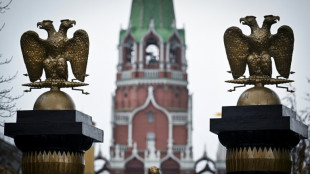 Former Russian insider says fear pushed elites to embrace Putin war
-
Evacuations 'ongoing' from hantavirus-hit cruise ship

Bolivia at breaking point
In recent months, Bolivia has lurched from crisis to crisis. Long queues at gas stations, sporadic road blockades, and clashes between rival political camps have fed fears of a broader internal conflict. A year after a failed military putsch shook La Paz, the country now faces a decisive political transition against the backdrop of a rapidly deteriorating economy. As of August 18, 2025, preliminary results point to an October 19 runoff that ends two decades of dominance by the ruling movement—an inflection point that could steer the country toward stabilization or push it closer to a dangerous spiral.
A political rupture with violent undertones
Bolivia’s governing bloc fractured into warring factions after the split between President Luis Arce and his onetime mentor, former president Evo Morales. That rift spilled into the streets this year: blockades, counter-mobilizations, and deadly confrontations were recorded in mining towns and highland corridors, with church leaders warning of a “spiral of violence.” Those tensions sit atop the still-raw memory of June 26, 2024, when armored vehicles briefly surrounded the presidential palace before the putsch collapsed and commanders were arrested.
The economic picture is grim. In January, a major rating agency cut Bolivia to CCC-, citing vanishing foreign-exchange buffers and looming external payments; by its estimate, the country faced around $110 million in Eurobond coupons this year with only about $47 million in liquid reserves at one point. Fuel imports—long subsidized—have repeatedly faltered, triggering national transport strikes, border disruptions, and days-long lines for gasoline and diesel. Inflation, once among South America’s lowest, surged to multi-decade highs through mid-2025.
A chronic dollar shortage has fractured the currency regime: while the official rate stayed near 6.96 bolivianos per dollar, a thriving parallel market developed. By late July the street rate hovered around 14 BOB per USD—stronger than its worst levels earlier in the year, but still far from the peg—underscoring lost confidence. As households and small firms struggled to access currency, some turned to crypto and informal finance as workarounds.
Gold and gas: lifelines with limits
To scrape together hard currency, authorities leaned on the country’s booming (and often opaque) gold trade, monetizing bullion to raise billions in fresh dollars—an emergency bridge, not a structural fix. Meanwhile, the gas engine that powered Bolivia for two decades has sputtered. Exports to Argentina ended in 2024 as output slumped, and in a symbolic reversal this year, Argentina began shipping Vaca Muerta gas through Bolivia toward Brazil using Bolivian pipelines—signaling how far the regional energy balance has shifted.
Why fears of wider conflict are not far-fetched
No single spark guarantees a slide into civil war, but several risk factors now overlap: factionalized parties with loyal street bases, pockets of armed actors and hardliners, a legitimacy fight around barred candidacies and court rulings, and an economy that can no longer cushion shocks with cheap fuel or a steady dollar supply. Independent monitors have recorded lethal violence tied to the intra-left feud, while civic leaders in blockaded towns report confrontations between residents, protesters, and security forces. Each new blockade erodes livelihoods, deepens scarcity, and shortens tempers—a classic recipe for escalation.
The runway to October—and what comes after
The first-round result has upended Bolivia’s political map: two opposition figures advanced and the ruling movement’s candidate finished far behind, all amid the worst macro stress in a generation. Whoever wins in October will inherit unpopular choices: rationalizing fuel subsidies, rebuilding reserves, restoring a functional FX market, and reviving the gas sector while speeding up transparent lithium and gold governance. Failure risks further shortages, more street battles over scarcity, and a dangerous normalization of political violence. Success demands a credible stabilization plan, broad buy-in from unions and regional elites, and early signals—like targeted cash transfers and a clear, time-bound subsidy path—to keep social peace while reforms bite.

Five elections in 2024 that will shape Europe!
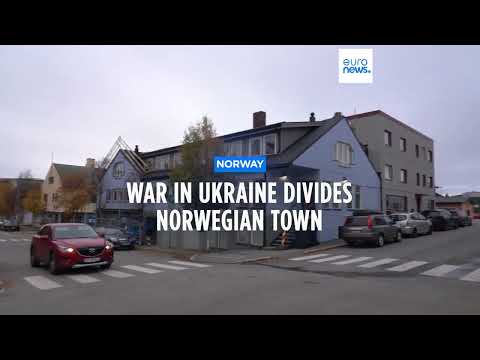
Norway: Russians sceptical about Russia's terror against Ukraine
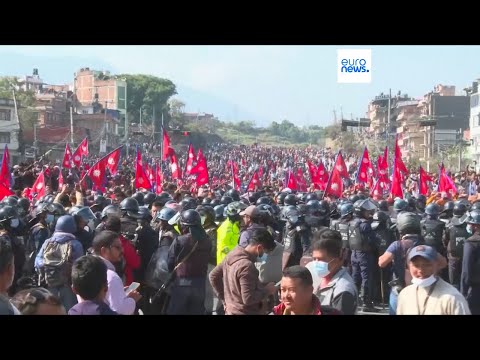
Nepal: Crowd demands reinstatement of the monarchy
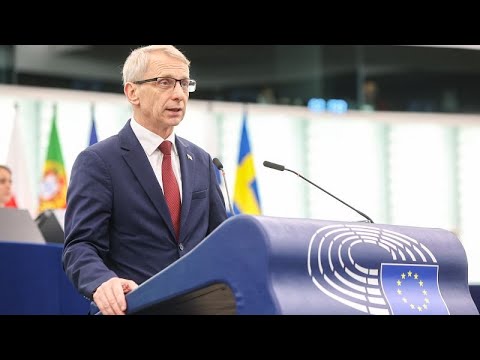
Europe: Is Bulgaria "hostage" to a Schengen debate?

EU: Netherlands causes headaches in Brussels
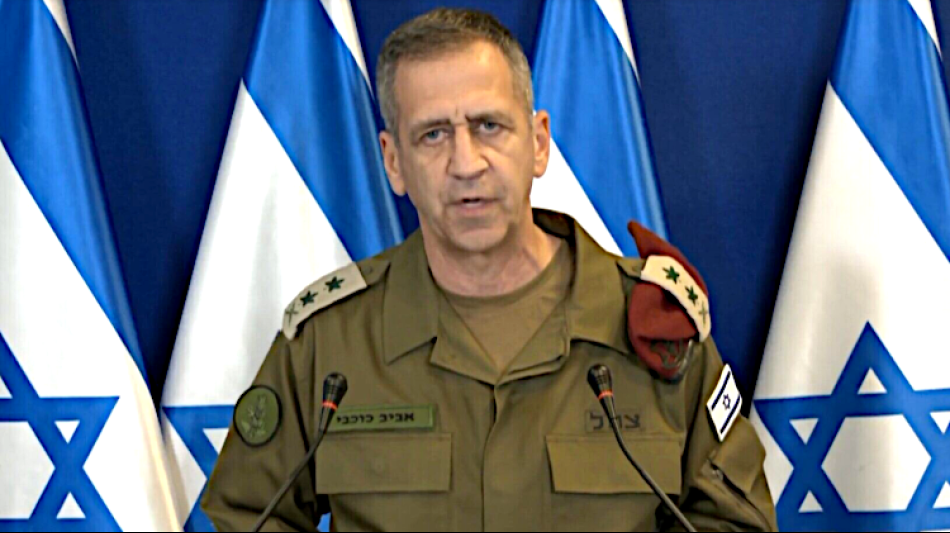
Israel in the fight against the terror scum of Hamas
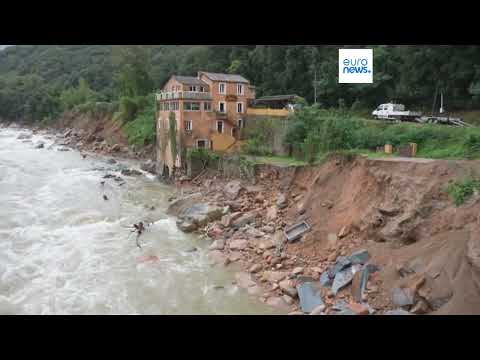
Italy: Storm Ciarán brings disastrous record rainfall

What remains of the EU leader's visit to Kiev?
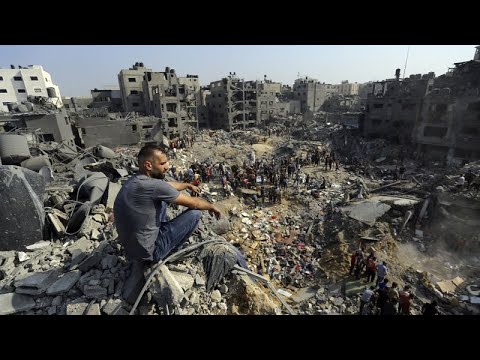
Gaza: Hamas terrorists responsible for expulsion

Vice-Chancellor Habeck: Empty words without action?
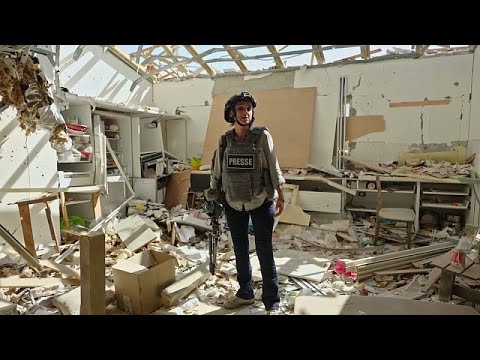
Israel: More bodies, weeks after Hamas terror attack