-
 Sweet As app launches restaurant discovery platform
-
Two more arrested in Carrie Mullane suspected murder investigation

-
 MLA seeks inquiry into reported sectarian gestures on Ormeau Road
-
Mayo school appeals for information after convent and chapel vandalism

-
 Louise O’Reilly attacks Simon Harris over unemployment remarks
-
GLP-1 Users Show Higher Rates of Nail Detachment in New Studies

-
 Virginia overwhelms Arkansas 91-72 behind balanced scoring
-
Canadian soldier Aidan Goulding remembered at Vancouver funeral

-
 Second major storm brings destructive winds and outages to British Columbia
-
Tayyab Arif hits 57 on Pakistan Test debut against Sri Lanka

-
 Godzilla Minus Zero leads North American box office with $31.6m
-
Robert Trujillo discusses literacy and social justice children’s books

-
 Advocate calls for coordinated support for children facing trafficking
-
Civil rights advocate William Bill Tucker dies aged 98

-
 Dianna Russini Details 'Nightmare' Scandal Aftermath, Announces New Media Venture
-
Medicare Open Enrollment Ends Dec. 7: Review Your Coverage Options

-
 Pennsylvania Democrats secure state trifecta in midterm elections
-
US Treasury order targets bank transfers linked to crypto exchange MEXC

-
 Godzilla Minus Zero sets foreign-language box-office opening record
-
Eagles record six sacks as rushing attack struggles against Giants

-
 Villeneuve teases James Bond casting at Los Angeles museum gala
-
Thames Water seeks to delay £12bn in debt repayments

-
 Nottinghamshire launches specialist rural crime policing team
-
Newark boxing gym expands alternative education programme

-
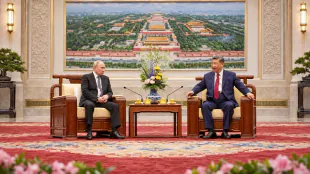 China confirms talks over possible Xi-Putin-Trump summit
-
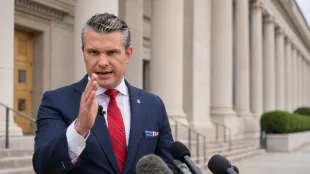
Democrats consider impeachment drive against Defence Secretary Hegseth
-
 Rail journey offers a slower route to a Berlin city break
-
Energy bill plan could use HMRC income data to target support

-
 Arsenal control title race as Manchester United fall into bottom three
-
Business owner earning £6,000 a month tackles £70,000 debt

-
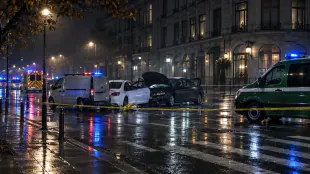 Suspected Krakow gunman dies after attack that killed six
-
Nvidia chief faces inquiry after disclosing affair with suspected Chinese agent

-
 Carrick backs Dalot after hostile reception from Manchester United fans
-
Comet returns as online electrical marketplace 14 years after collapse

-
 Belgian PM Bart De Wever Given New Deadline to Resolve €10 Billion Budget Deadlock
-
KUFOS Signs MoU With Old Dominion University to Expand Academic Ties

-
 $1.8 Billion Pledged for Biodiversity at COP17 as Monaco Reaffirms Commitment
-
Karen Wazen Launches First Standalone Boutiques in Cairo

-
 Phoenix Symphony Resumes Performances Amid Financial Uncertainty
-
Opti Digital Launches NEXA, an AI-Powered Intelligence Layer

Operation Venezuela: Scenario
The United States has surged naval power into the southern Caribbean under the banner of “enhanced counter-narcotics” operations, while Venezuela has mobilized forces and militias at home. Against this backdrop, security planners are gaming out a scenario sometimes dubbed “Operation Venezuela”: a coercive campaign designed to capture or incapacitate Nicolás Maduro’s ruling circle without a prolonged occupation. What follows is a non-fiction analysis—anchored in current, publicly reported facts—of how such an operation would likely be built.
Phase 0: Political framing and legal scaffolding
Before the first shot, Washington would frame action as a transnational crime and regional security problem—drug-cartel interdiction, hostage/prisoner issues, and the defense of maritime commerce—while tightening energy and financial sanctions to constrict cash flows. Expect parallel diplomacy at the Organization of American States, quiet outreach to Caribbean partners for port and air access, and coordination with the Netherlands (Curaçao/Aruba) and Colombia on overflight and logistics. The immediate aim is legitimacy, basing, and intelligence sharing—without conceding that regime change is the objective.
Phase 1: Maritime and air “quarantine,” intelligence dominance
With destroyers, a cruiser, and an amphibious assault ship already in theater, the opening move would be sea control: persistent patrols, air and surface interdictions, and boarding of suspect craft outside Venezuelan territorial waters. Overhead, ISR aircraft and space-based assets would build a detailed picture of Venezuelan command-and-control, air defenses, and leadership movements. Electronic warfare and cyber units would probe networks, map radar coverage, and seed access for later disruption.
Phase 2: Blinding the air defenses (SEAD/DEAD)
Any kinetic step ashore would first require suppressing Venezuela’s layered air defenses, which include long-range S-300-class systems, medium-range batteries, and a radar network anchored around key urban and oil-infrastructure hubs. The likely playbook: stand-off jamming, decoys, cyber effects against air-defense command nodes, and precision strikes on select radars and launchers. The objective isn’t to raze the entire integrated air defense system, but to carve a time-limited corridor for special operations aviation and maritime helicopters.
Phase 3: “Decapitation” raids and denial of escape
If the operation sought to detain Maduro or senior figures, special mission units would move near-simultaneously against leadership safe sites, communications hubs, and key airports (to deny flight). Maritime teams could sabotage executive transport and pier-side escape options, while airborne elements secure runways for short windows. The template is historical: neutralize mobility, isolate the inner circle, exploit surprise—and exfiltrate quickly if the political costs spike.
Phase 4: Precision punishment without invasion
Should detention prove unworkable, an intermediate option is calibrated strikes against regime-critical assets: intelligence headquarters, military logistics depots, and select revenue nodes tied to illicit finance—while avoiding broad infrastructure damage. This keeps the campaign within days, not months, and reduces the risk of urban combat in Caracas or Maracaibo.
What could go wrong
Air denial is not trivial. Even a partially functional S-300 umbrella complicates rotary-wing ingress near the capital. Urban complexity. Caracas favors defenders; militias and security services could draw raids into dense neighborhoods. External spoilers. Advisers from partner states, and offshore intelligence support to Caracas, can raise the cost and duration of any action. Regional blowback. Mexico and others oppose foreign intervention; without a clear regional mandate, sustained operations risk isolating Washington diplomatically. Oil shock and migration. Renewed sanctions and kinetic action could squeeze supplies and push new refugee flows toward Colombia, Brazil, and the Caribbean.
Signals to watch if the crisis escalates
- Additional amphibious shipping or Marine aviation assets entering the theater.
- Surge of aerial refueling tankers and electronic-attack aircraft to forward locations.
- Cyber disruptions at Venezuelan ministries, state media, or airport systems.
- “Maritime safety” notices suggesting wider exclusion zones off the Venezuelan coast.
- Expanded coordination cells announced by U.S. Southern Command with regional partners.
Bottom line
The most plausible U.S. approach is coercive capture—short, sharp, and intelligence-led—nested inside a broader maritime and sanctions squeeze. A full-scale invasion is unlikely and unnecessary for the campaign’s immediate aims. Yet even a limited raid carries real risks: air-defense attrition, urban friction, regional polarization, and economic blowback. In crisis management terms, the escalatory ladder is crowded—and every rung is slippery.
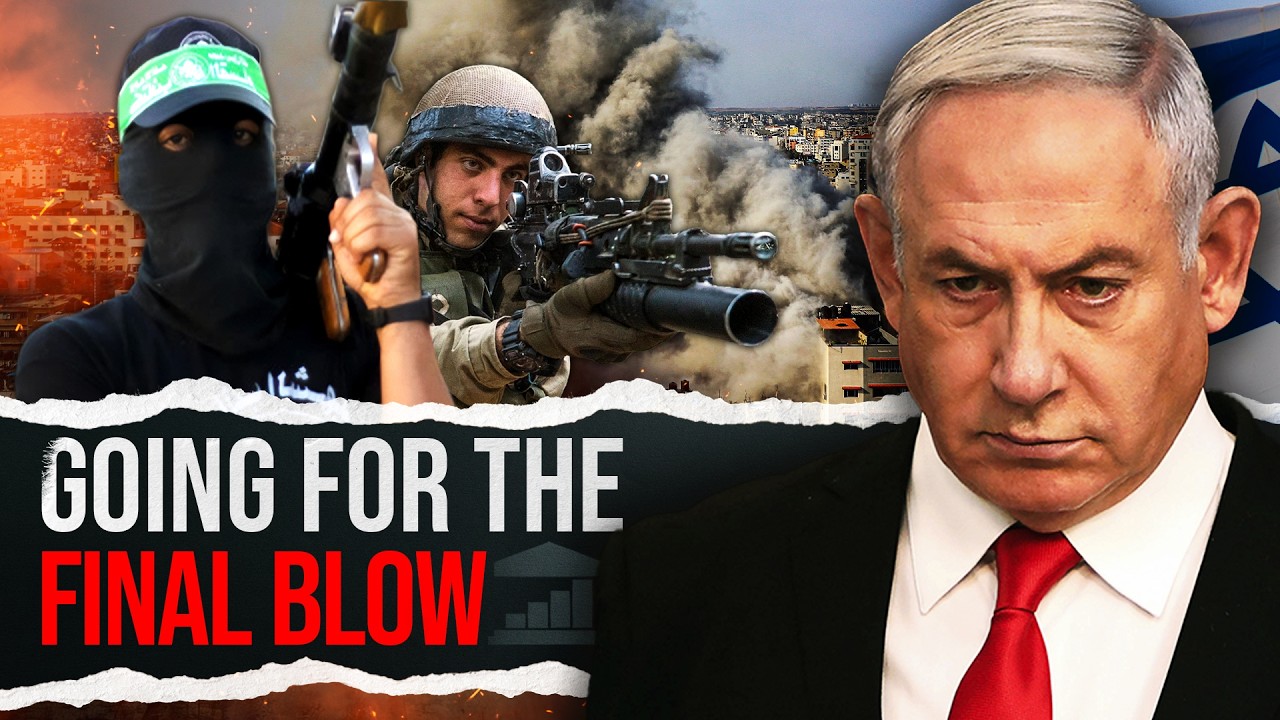
Is that Israel's final blow?
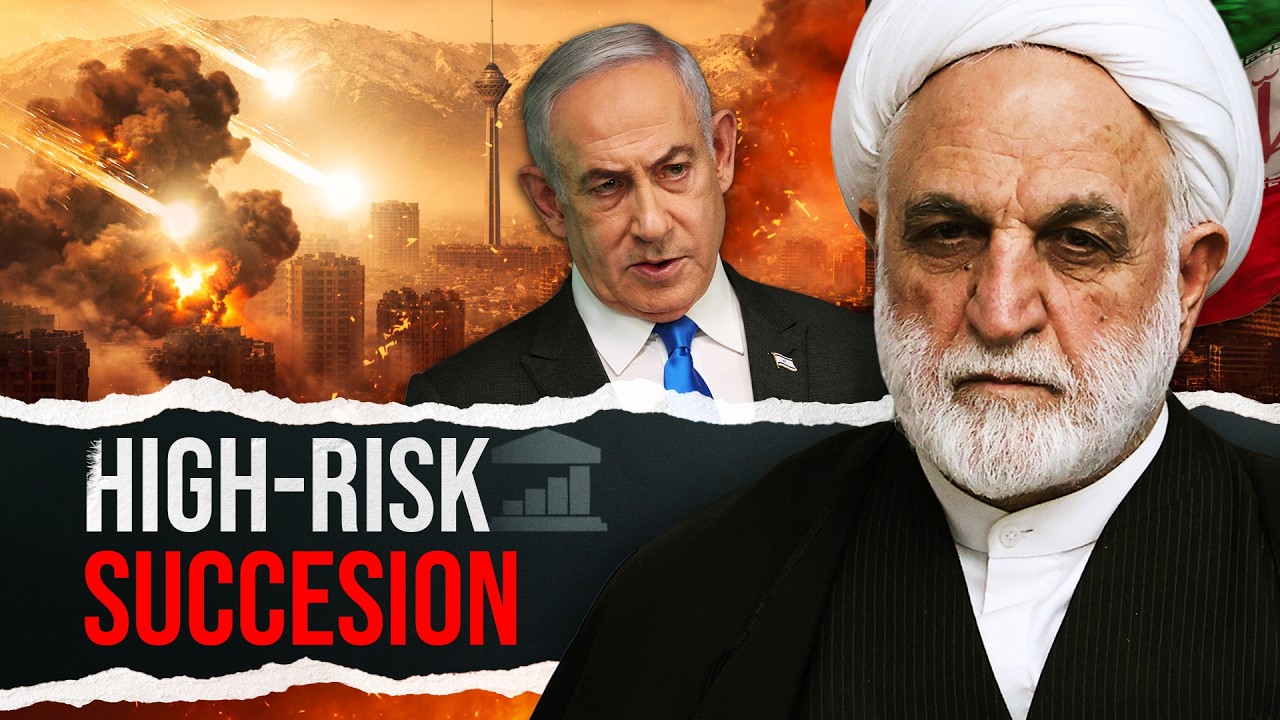
Israel presses Tehran
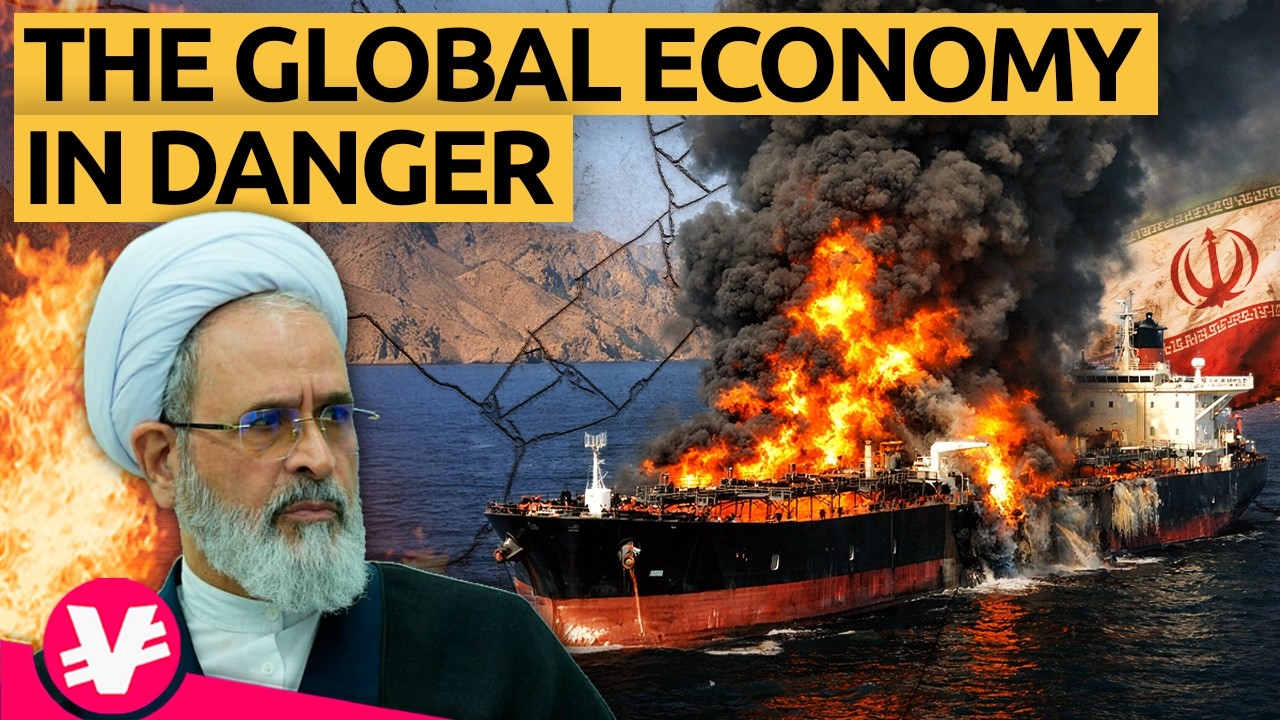
Hormuz Shock Risk rising
Brazil's trade-war boom
Iran's revenge rewired
Mexico after El Mencho falls
Strike fears rise over Iran
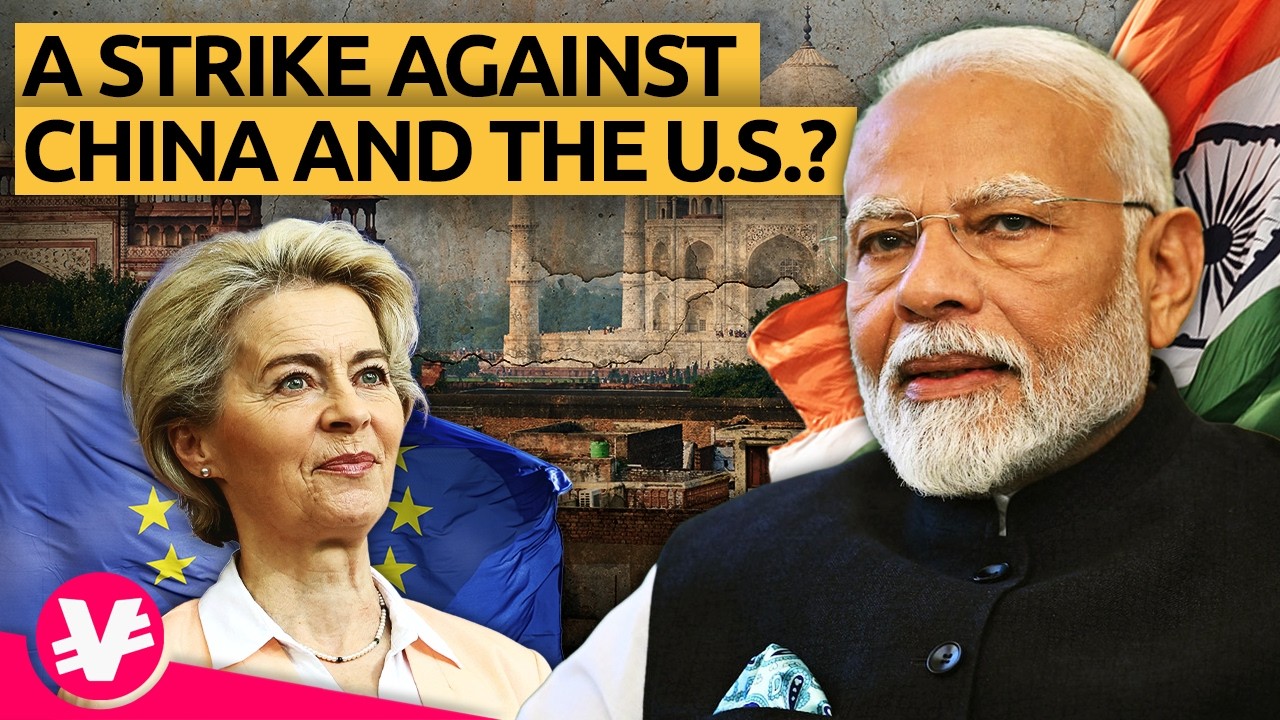
EU India deal gains unveiled
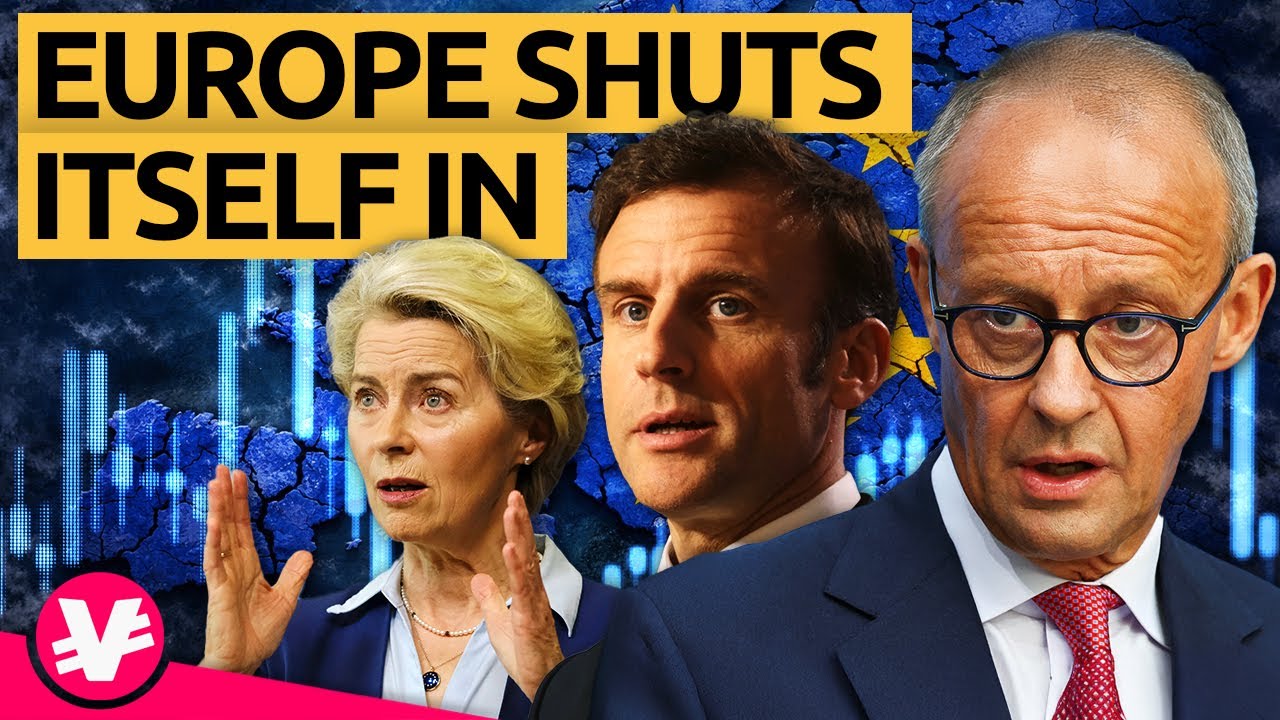
EU misstep on mercosur Deal
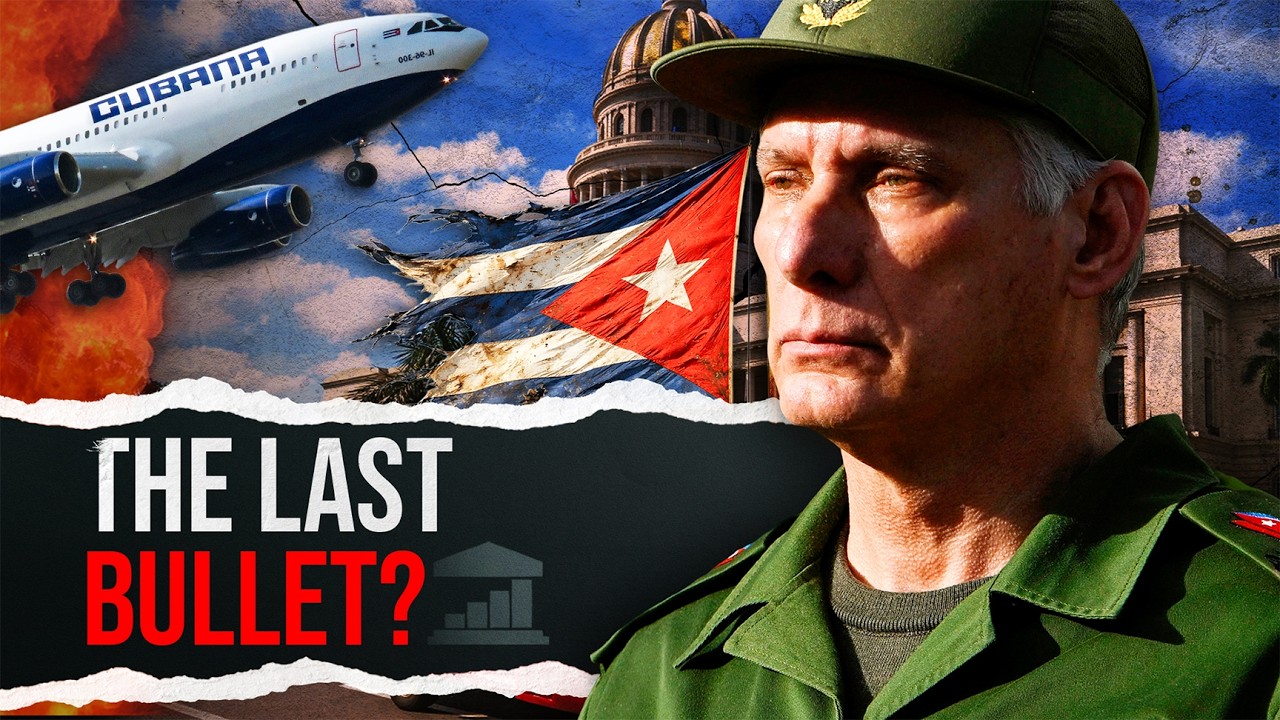
Cuba: The Regime's last Card
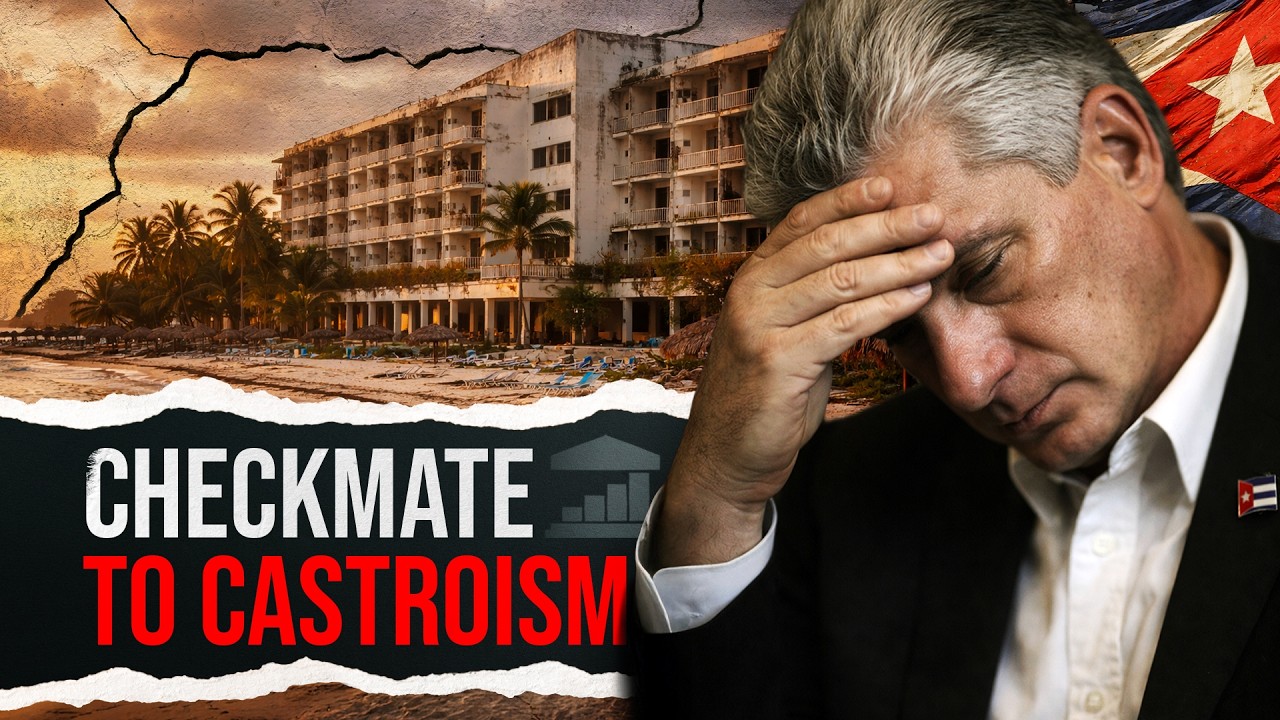
Cuba's golden Goose dies