-
 Drones hit Moscow as Russians go to the polls
-
Myanmar win first Asian Games teqball gold as Spain great Puyol watches

-
 New England boss Fleming says 'wrong' to ask Stokes to end retirement
-
China's 13-year-old Yu scorches to first major gold at Asian Games

-
 Germans vote in elections threatening fresh blow to Merz
-
Russians vote on last day of parliamentary elections

-
 US fears rapid escalation in Mideast after Houthis attack Riyadh
-
Hong Kong pays final respects to former city leader Tung

-
 Japan triathlete Hojo wins first gold of Asian Games
-
Typhoon put people off Asian Games opening ceremony, official says

-
 IOC president impressed by 'beautiful' Asian Games wooden huts
-
China's 13-year-old Yu cruises as Asian Games swimming begins

-
 First Asian Games gold goes to Japan as China's 13-year-old Yu lights up pool
-
AI 'warning shots' focus Beijing on national security risks

-
 Data centre command hub keeps AI up and running
-
Philippine tribe in limbo over US-led tech hub

-
 Pope Leo in France: the issues on the table
-
Leo XIV, first US pope transcends his restrained style

-
 Packing for a pope: behind the scenes on foreign trips
-
Singer Ed Sheeran says Gaza situation 'unjustifiable' following controversy

-
 Republicans find transgender issues a powerful political weapon in midterm campaigning
-
In 'Tenzing', a Sherpa mountaineer gets his due

-
 German state elections threaten new shock waves for Merz
-
Ed Sheeran set to return to stage after Palestinian controversy

-
 Chile's Bachelet quits race to be next UN chief
-
Toulouse edge Vannes, Lyon beat Pau to take Top 14 summit

-
 Raphinha treble fires perfect Barca to win at Sevilla
-
Germans arrested for Louvre stunt in Mona Lisa hall

-
 Thiam makes winning heptathlon return at Decastar meet
-
Saudi-led coalition says Houthis fired ballistic missile at Riyadh

-
 Czechs beat USA to qualify for Davis Cup finals
-
France's debt climbs to highest since 1978: ministry

-
 Dortmund sink Stuttgart to climb to Bundesliga summit
-
McIlroy two shots off the lead at Wentworth after eagle on 18

-
 Trump says will not tolerate attempts to slow AI growth
-
Martinez brace saves Inter in Serie A top-two clash with Roma

-
 'It has to stop': runners protest women's murders in S.Africa district
-
Rosenior abused but guides Paris FC past old club Strasbourg

-
 Fire erupts near Riyadh airport as Houthis claim strikes
-
Seven-try Lyon beat Pau, climb to Top 14 summit

-
 Cuba works to restore power after another blackout
-
Brighton defeat a 'big lesson' against complacency for Arsenal, says Arteta

-
 England thrash Sri Lanka again to return to top of T20 rankings
-
Thousands protest inaction over climate crisis in Switzerland

-
 Arsenal thrashed by Brighton, sorry Spurs lose again
-
Carapaz out of cycling world championships
-
 South Korea, Austria qualify for Davis Cup finals
-
'Fragile' Tottenham beaten by Aston Villa despite late rally
-
 Seare shocks Ingebrigtsen to win world 5km gold
-
Mourinho hails Real Madrid grit before Atletico derby clash
Trap laid, Ukraine walked in
The geopolitical landscape surrounding the war in Ukraine has shifted dramatically in recent weeks, leading many to argue that a trap was set — and Ukraine stepped straight into it. As pressure mounts around a new peace initiative promoted by former 45. and now 47. U.S. President Donald J. Trump, the debate is intensifying over whether Ukraine has been cornered and whether European nations share a shameful responsibility for the current predicament.
The proposed peace framework circulating since late November presents a stark reality: Ukraine would be required to make painful territorial concessions, scale back parts of its military capabilities, and abandon long-term ambitions for deeper integration with Western defence structures. The rationale behind the proposal is packaged as a “pragmatic” path to ending the war, yet the implications would cement strategic gains for Russia and fundamentally weaken Ukraine’s sovereignty.
European governments reacted with unease and internal division. Publicly, they emphasise the need for adjustments and caution against any agreement that reshapes borders under pressure. Privately, however, several capitals fear being left alone to shoulder long-term financial and military support should the United States pull back. Some European leaders recognise that approval of the plan could stabilise parts of the continent in the short term, yet at the cost of undermining the very principles they have defended since the war began.
For Kyiv, the situation is even more delicate. Ukraine’s leadership has signalled willingness to examine the proposal, but throughout the country the sentiment is overwhelmingly hostile. Soldiers, civil society, and much of the population view the plan as nothing short of a surrender. After years of devastating losses, the idea of codifying territorial fragmentation and weakening national defence is seen as a direct threat to the nation’s survival.
To many observers, the timing and structure of the proposal appear intentional. By presenting a plan that heavily favours Russian interests while portraying it as the “only realistic path forward,” Trump effectively places Ukraine under immense diplomatic pressure. If Kyiv rejects the plan, it risks losing political support; if it accepts, it risks losing the country it has fought to preserve.
This dynamic also places Europe in an uncomfortable spotlight. While European nations have repeatedly voiced support for Ukraine, the reality is that they have long relied on U.S. leadership for strategic direction, intelligence coordination, and military supplies. Critics argue that Europe’s inability to develop a cohesive and independent defence posture has left Ukraine vulnerable to geopolitical gambits. Now, as the United States reshapes its stance, Europe must confront its shortcomings.
The central question is no longer whether Ukraine wants to resist, but whether it still can — and whether Europe will meaningfully help. A peace agreement that weakens Ukraine risks redefining the security architecture of an entire continent, emboldening aggressive revisionism, and eroding confidence in the West’s commitment to defending democratic nations under threat.
Whether this moment becomes the beginning of Ukraine’s political end or a turning point in Europe’s strategic awakening depends on the choices made now. What remains clear is that Ukraine cannot afford to be treated as a bargaining chip — and Europe cannot pretend that its own security is separate from Ukraine’s fate.
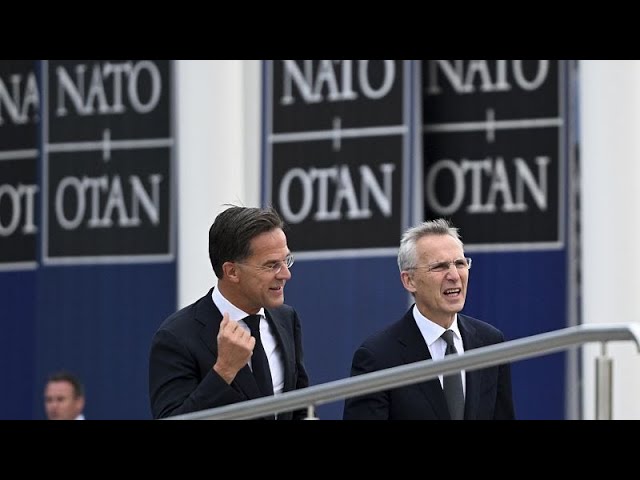
NATO: Ukraine ‘at the top of the list!’
NATO: Ukraine ‘at the top of the list!’
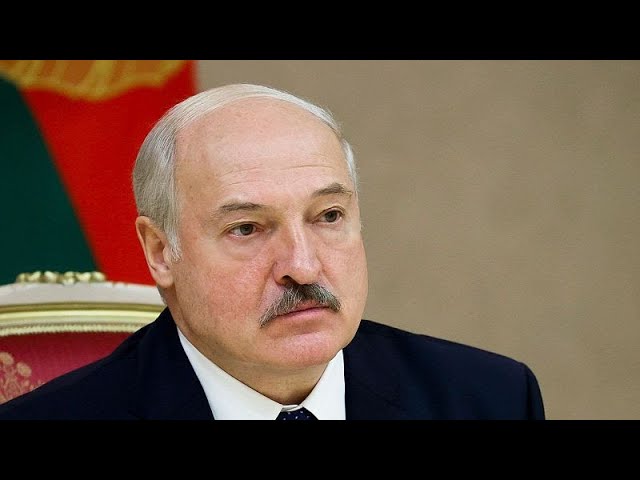
Belarus: ICC investigates dictator Lukashenko
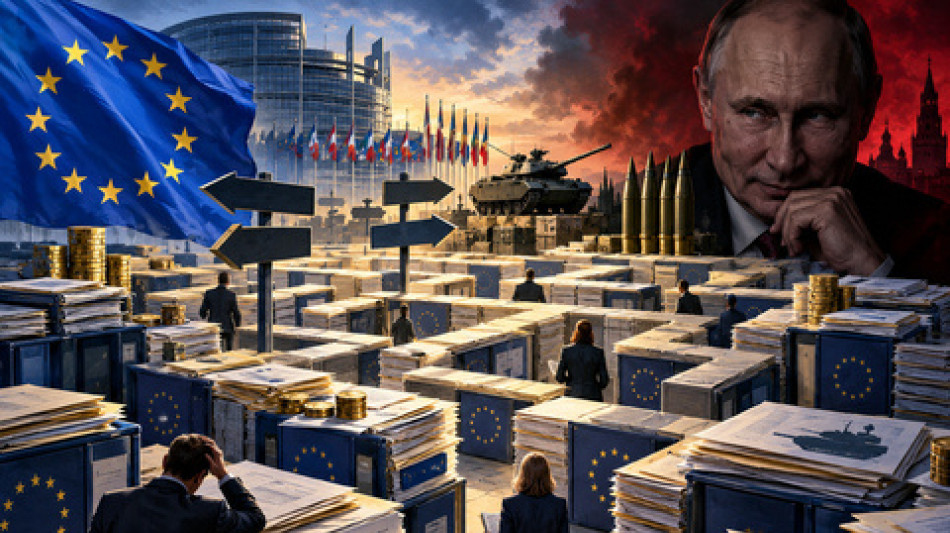
Europe’s arms money maze
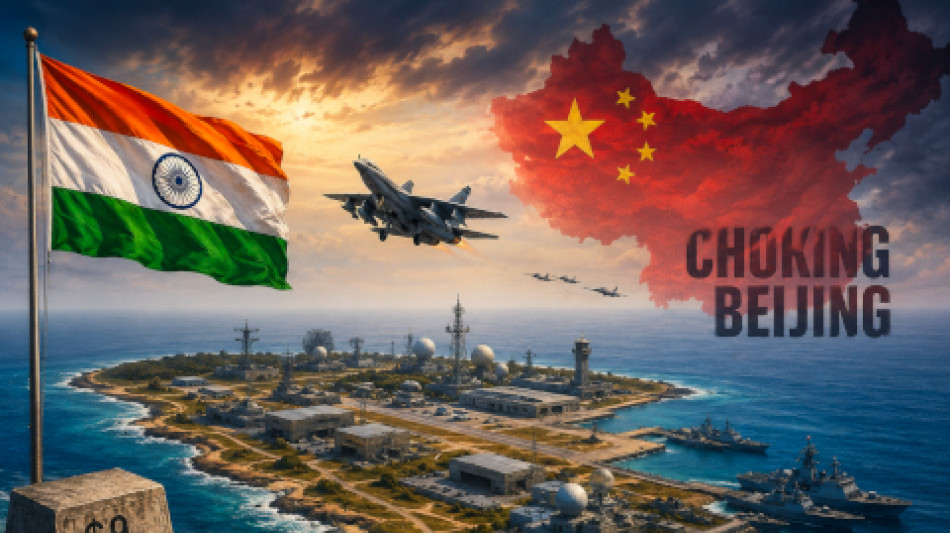
India's island choke point
India defies U.S. tariffs
AI sparks Wall Street panic
Operation Venezuela: Scenario
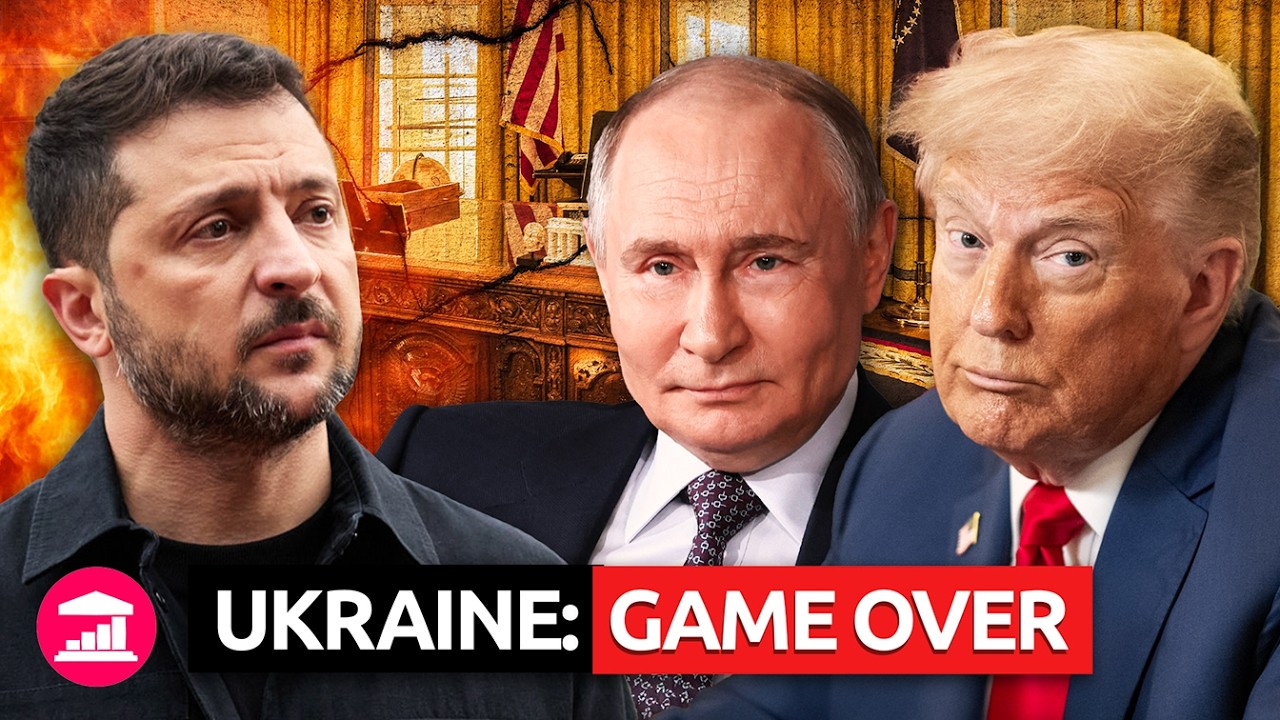
After Europe’s capitulation
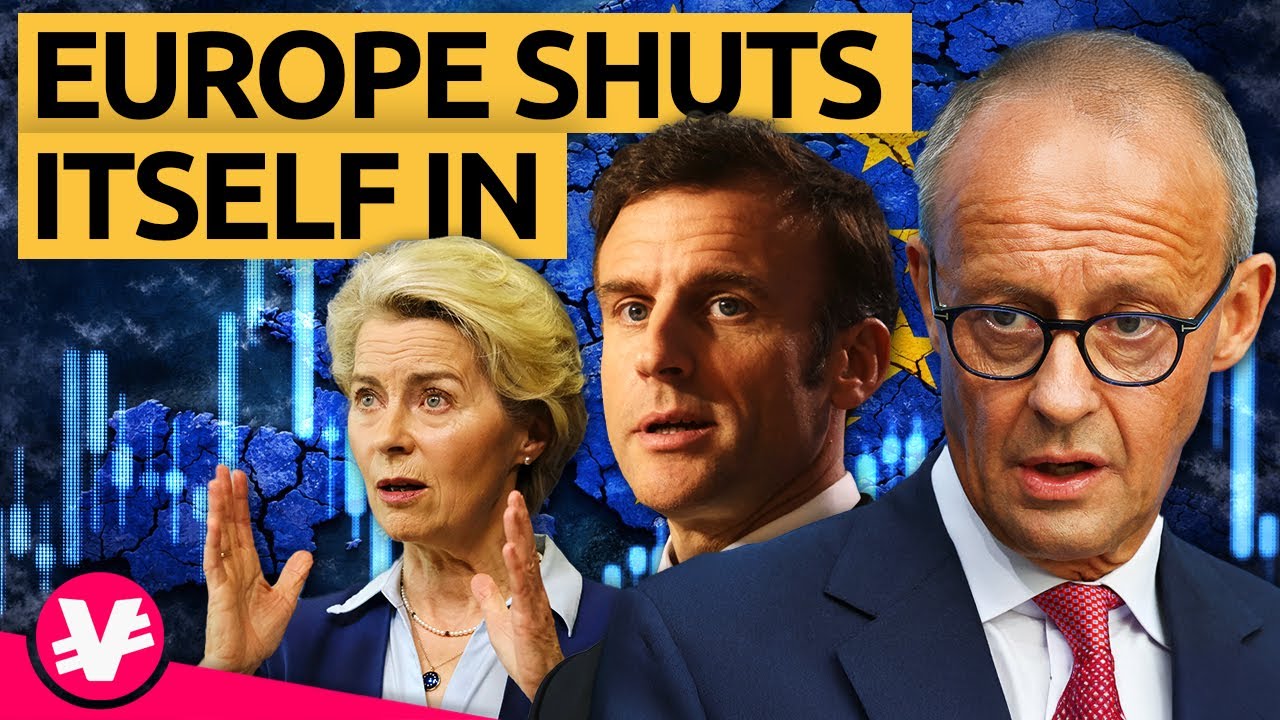
EU misstep on mercosur Deal
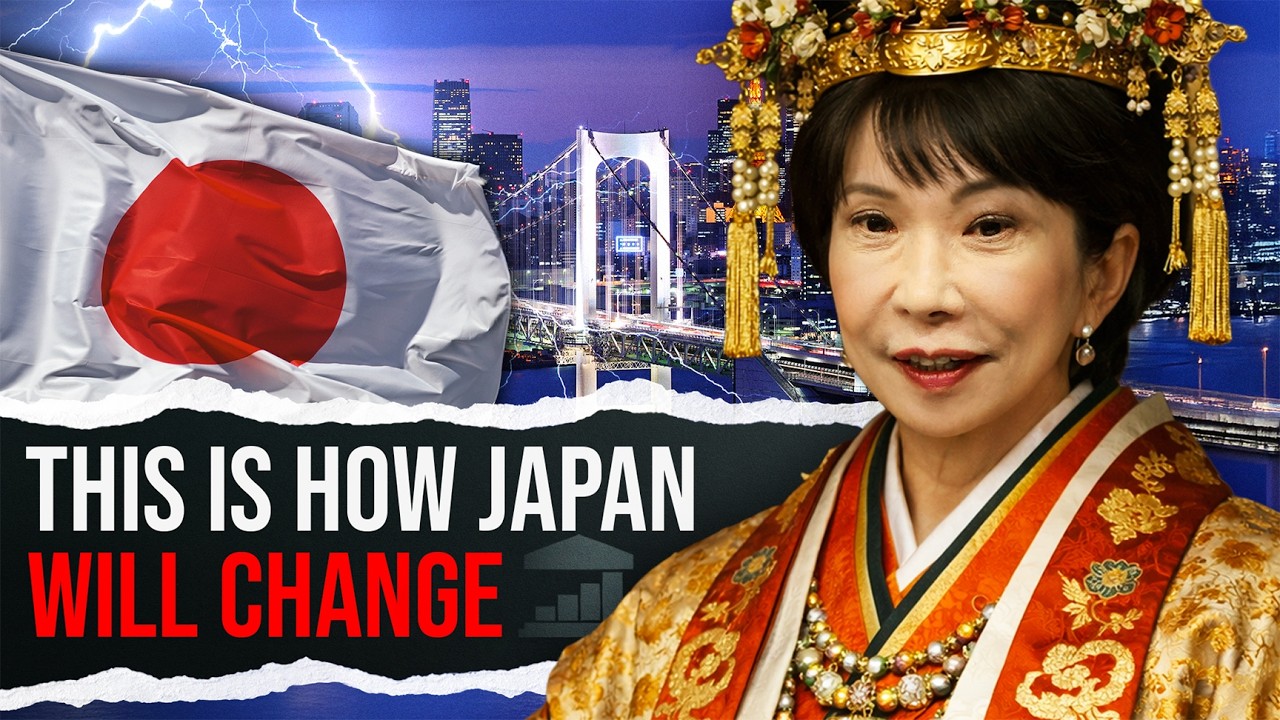
Japan’s right‑turn triumph