-
 Australia cricket great Warner to 'accept' drink-drive charge: lawyer
-
Brunson steers Knicks to 2-0 lead with tight win over Sixers

-
 Rubio seeks to ease tensions with US pope
-
AI disinfo tests South Korean laws ahead of local elections

-
 Australian state overturns Melbourne ban on World Cup watch party
-
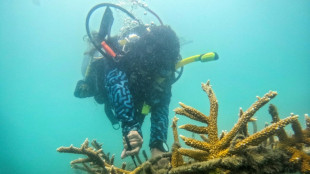
Colombian ex-fisherman swaps trade for saving Caribbean coral
-
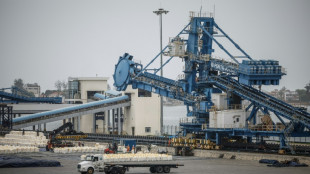 Lobito Corridor: Africa's mega-project facing delivery test
-
Africa's Lobito Corridor chief tells AFP business, not geopolitics, drives strategy

-
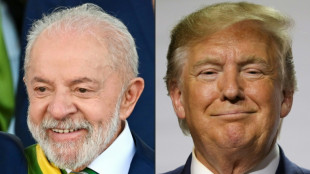 Trump to host Lula in test of fitful relationship
-
K-pop stars BTS draw 50,000-strong crowd in Mexico

-
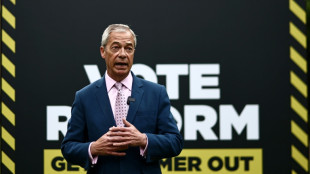 Britons set to punish Starmer's Labour in local polls
-
Wars in Middle East, backyard loom over ASEAN summit

-
 US court releases purported Epstein suicide note
-
Israeli court rejects flotilla activists' appeal challenging detention

-
 Victim's lawyer alleges Boeing was 'negligent' in 2019 Ethiopian crash
-
Williamson named in New Zealand squad for Ireland, England Tests

-
 PSG add muscle to magic as another Champions League final beckons
-
Tigers' pitcher Valdez suspended for hitting opponent

-
 Trump says Iran deal 'very possible' but threatens strikes if talks fail
-
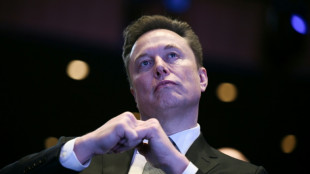
Musk's SpaceX strikes data center deal with Anthropic
-
 Bayern lament lack of 'killer' instinct after PSG elimination
-
Virus-hit cruise ship heads for Spain as evacuees land in Europe

-
 Holders PSG edge Bayern Munich to reach Champions League final
-
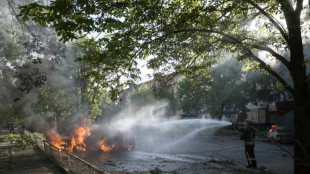
Russia warns diplomats in Kyiv to evacuate in case of strike
-
 Hantavirus ship passenger: 'They didn't take it seriously enough'
-
First hantavirus infection could not have been during cruise: WHO expert

-
 Kentucky Derby-winner Golden Tempo to skip Preakness Stakes
-
Trump says Iran deal 'very possible', but threatens strikes if not

-
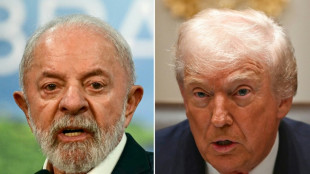 Lula heads to Washington to meet Trump in fraught election year
-
No timeline for injury return for 'frustrated' Doncic

-
 Virus-hit cruise ship evacuees land in Europe
-
Diallo says Manchester United squad happy if Carrick stays

-
 'Motivated' McIlroy ready to tee it up for first time since second Masters win
-
Klaasen knock fires Hyderabad top of IPL

-
 French aircraft carrier pre-positions for possible Hormuz mission
-
Villa's future is bright even if Europa dream ends: Emery

-
 Departing Glasner wants no sadness as Palace eye European glory
-
Seixas targets victory in Tour warm-up race

-
 'Oh, gosh': Inside the race to test for cruise ship hantavirus
-
Wave of arrests, abductions after attacks on Mali junta

-
 Virus-hit cruise ship evacuees head to Spain, Netherlands
-
FIFA extends Prestianni ban worldwide

-
 EU risks financial hit if Chinese suppliers forced out: trade group
-
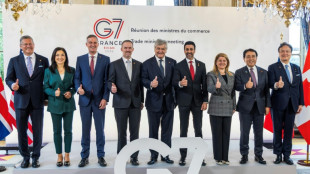
G7 decries 'economic coercion' in swipe at China
-
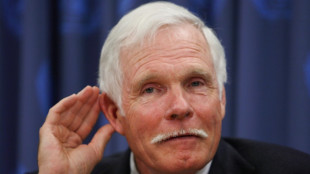 Pioneering CNN founder Ted Turner dead at 87
-
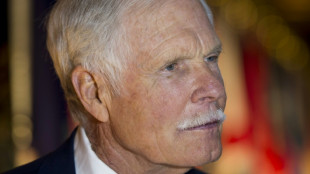
CNN founder Ted Turner: 20th century media giant
-
 Forest to make late decision on Gibbs-White fitness for Villa Europa semi
-
Malian singer Rokia Traore gets suspended jail in Belgian custody case

-
 Disney shares jump after results top expectations
-
Cruise ship passenger with hantavirus being treated in Zurich
How important is sustainable development?
Economic growth and environmental protection: a balancing act with potential for the future?
At a time when climate change and environmental degradation are among the most pressing global challenges, many countries are faced with the question of how to grow economically while remaining environmentally friendly. This challenge requires innovative approaches and a reorientation of traditional economic practices.
Sustainable economic management is the key:
Sustainable economic management means using resources in such a way that the needs of the present generation are met without compromising the ability of future generations to meet their own needs. This includes integrating environmental aspects into all economic decisions. Companies and governments must consider environmental sustainability an integral part of their operations, not an added cost factor.
Promoting green technologies:
Technological progress plays a crucial role in reconciling economic growth and environmental protection. Investing in renewable energies such as wind, solar and hydroelectric power not only reduces greenhouse gas emissions, but also creates new jobs and industries. Countries that embrace green technologies early on can gain a competitive advantage and reduce their dependence on fossil fuels.
Implement a circular economy:
The traditional linear economic model – produce, consume, dispose – leads to resource waste and pollution. The circular economy, on the other hand, aims to keep materials and products in use for as long as possible, minimising waste and conserving resources. By recycling, reusing and repairing, countries can both ease the burden on the environment and reap economic benefits.
Setting the political framework:
Governments play a crucial role in creating incentives for environmentally friendly economic activity. This can be done by providing tax breaks for sustainable companies, investing in green infrastructure or setting stricter environmental standards. A prominent example is carbon pricing, which incentivises companies to reduce their emissions and invest in environmentally friendly alternatives.
Promoting education and awareness:
A shift towards a sustainable economy also requires a change in the way society thinks. Education programmes can raise awareness of environmental issues and empower the next generation to make sustainable choices. Environmentally conscious consumers can urge companies to adopt more sustainable practices.
Strengthen international cooperation:
To effectively address global environmental issues, cooperation between countries is essential. International agreements such as the Paris Climate Accord set targets for reducing greenhouse gas emissions and promote the exchange of technologies and knowledge. Through joint efforts, countries can both benefit economically and contribute to protecting the planet.
Conclusion:
reconciling economic growth and environmental protection is not an impossible task, but a necessity for a sustainable future. By promoting green technologies, implementing the circular economy, taking appropriate policy measures and cooperating internationally, countries can embark on a path that ensures both economic prosperity and the preservation of our environment. It is up to governments, businesses and individuals to actively shape this change.
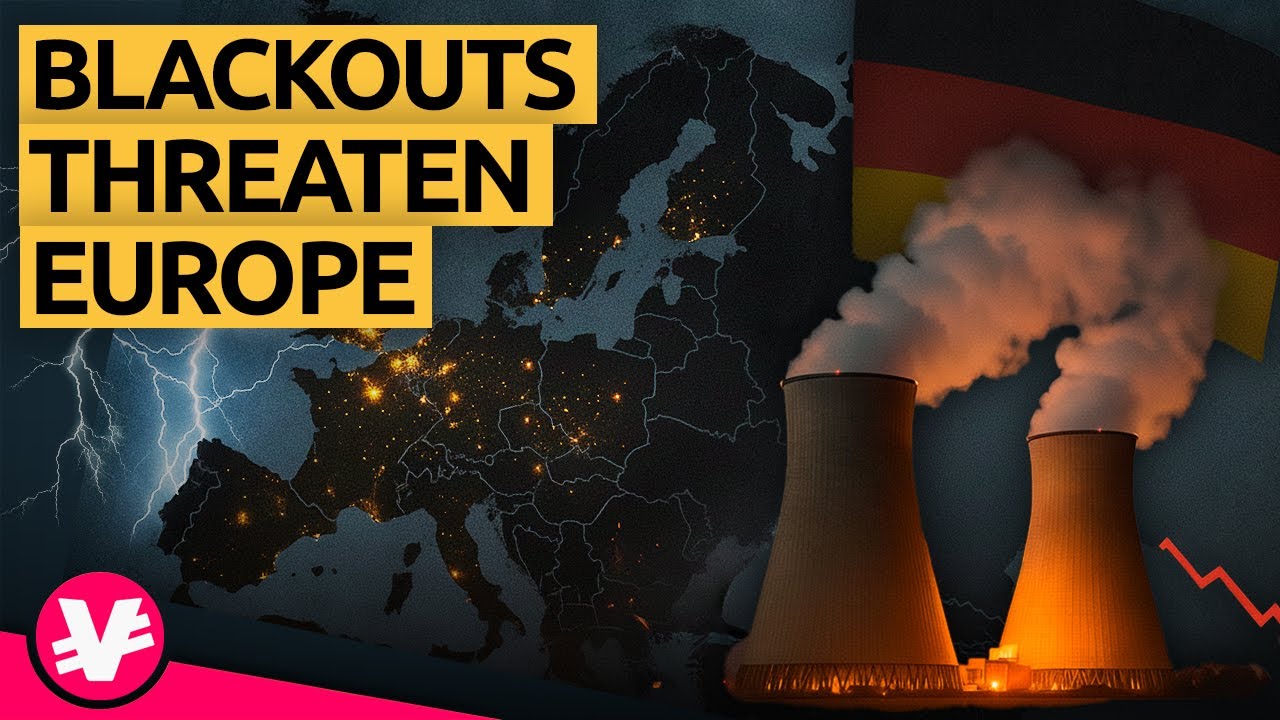
Europe’s power shock
Australian economy Crisis

Israel’s Haredi Challenge

Miracle in Germany: VW soars
Pension crisis engulfs France

A new vision for Japan

The Fall of South Korea?

Gaza on the cusp of civil war
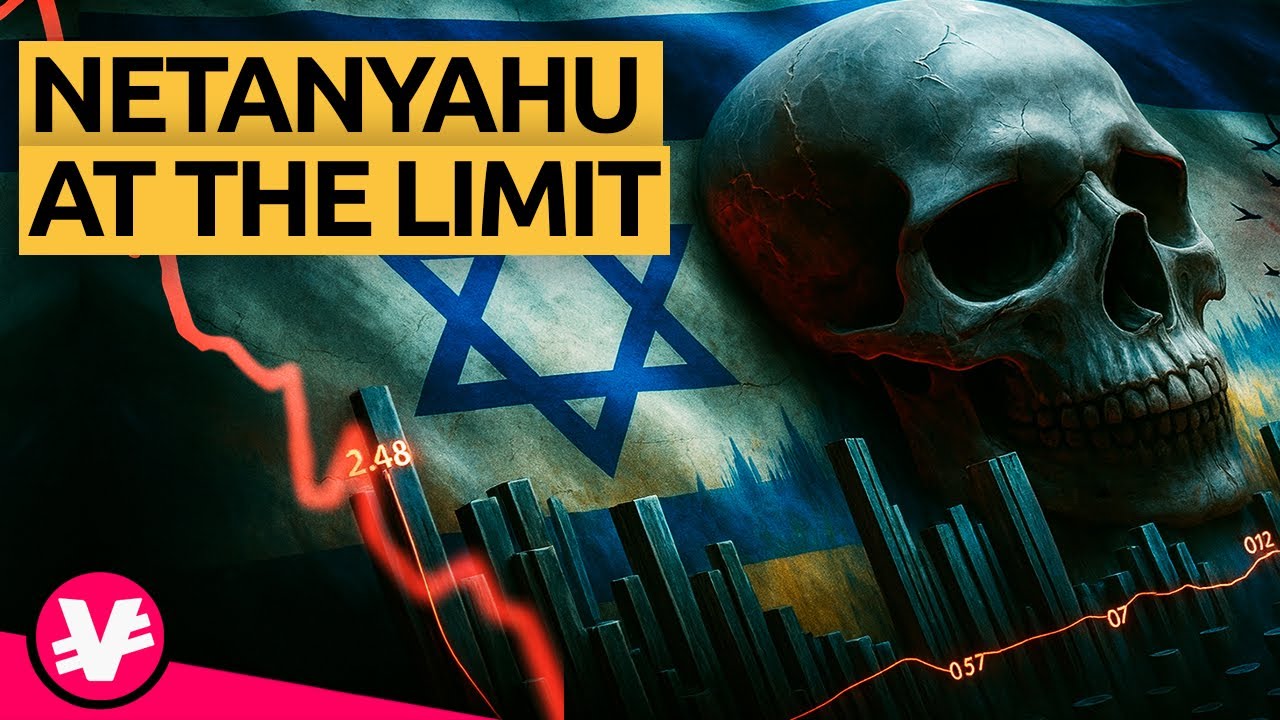
Israel: Economy on the edge
Why Russia can’t end war
Rare Earth Standoff