-
 Circus tackles jihadist nightmares of Burkina Faso's children
-
Iran denies ship attack as Trump warns of renewed bombing, eyes deal
-
 Badminton looks to future with 'evolution and innovation'
-
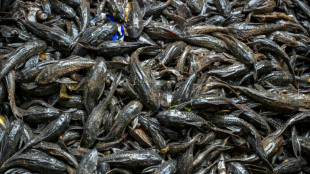
Troubled waters: Jakarta battles deadly, invasive suckerfish
-
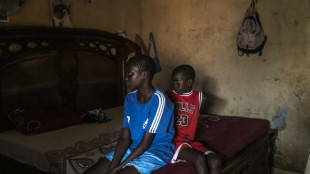 Senegal's children mourn in silence when migrant parents disappear
-
EU weighs options as summer jet fuel threat looms
-
 Spurs thrash Timberwolves as Knicks edge Sixers in NBA playoffs
-
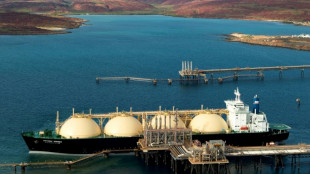
Australia to force gas giants to reserve fuel for domestic use
-
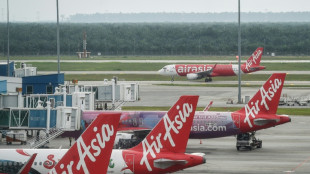 AirAsia signs $19bn deal for 150 Airbus A220 jets
-
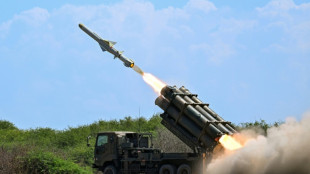
Japan fires missiles during drills, drawing China rebuke
-
 Toluca rout Son's LAFC to set up all-Mexican CONCACAF final
-
Vingegaard begins bid for Giro-Tour double with Pellizzari boosting home hopes

-
 Roma's Champions League return back on as Milan, Juve wobble
-
Tokyo leads Asia stock surge on growing Mideast peace hopes

-
 Australia cricket great Warner to 'accept' drink-drive charge: lawyer
-
Brunson steers Knicks to 2-0 lead with tight win over Sixers

-
 Rubio seeks to ease tensions with US pope
-
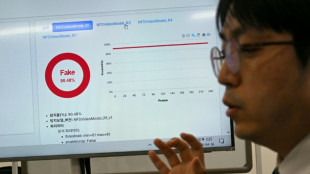
AI disinfo tests South Korean laws ahead of local elections
-
 Australian state overturns Melbourne ban on World Cup watch party
-
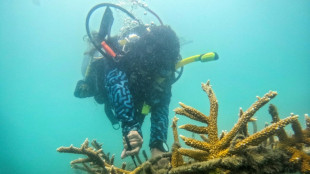
Colombian ex-fisherman swaps trade for saving Caribbean coral
-
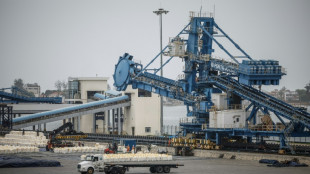 Lobito Corridor: Africa's mega-project facing delivery test
-
Africa's Lobito Corridor chief tells AFP business, not geopolitics, drives strategy

-
 Trump to host Lula in test of fitful relationship
-
K-pop stars BTS draw 50,000-strong crowd in Mexico

-
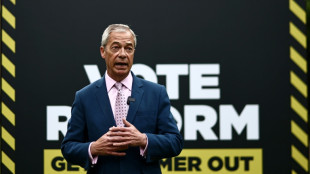 Britons set to punish Starmer's Labour in local polls
-
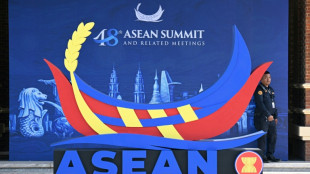
Wars in Middle East, backyard loom over ASEAN summit
-
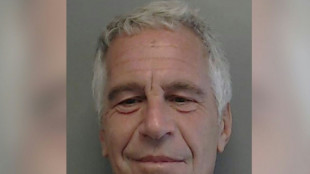 US court releases purported Epstein suicide note
-
Israeli court rejects flotilla activists' appeal challenging detention

-
 Victim's lawyer alleges Boeing was 'negligent' in 2019 Ethiopian crash
-
Williamson named in New Zealand squad for Ireland, England Tests

-
 PSG add muscle to magic as another Champions League final beckons
-
Tigers' pitcher Valdez suspended for hitting opponent

-
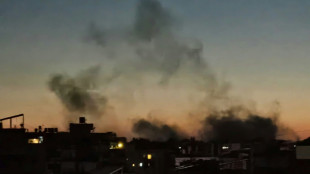 Trump says Iran deal 'very possible' but threatens strikes if talks fail
-
Musk's SpaceX strikes data center deal with Anthropic

-
 Bayern lament lack of 'killer' instinct after PSG elimination
-
Virus-hit cruise ship heads for Spain as evacuees land in Europe

-
 Holders PSG edge Bayern Munich to reach Champions League final
-
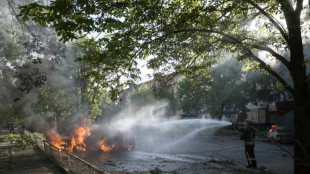
Russia warns diplomats in Kyiv to evacuate in case of strike
-
 Hantavirus ship passenger: 'They didn't take it seriously enough'
-
First hantavirus infection could not have been during cruise: WHO expert

-
 Kentucky Derby-winner Golden Tempo to skip Preakness Stakes
-
Trump says Iran deal 'very possible', but threatens strikes if not
-
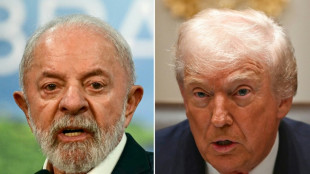 Lula heads to Washington to meet Trump in fraught election year
-
No timeline for injury return for 'frustrated' Doncic

-
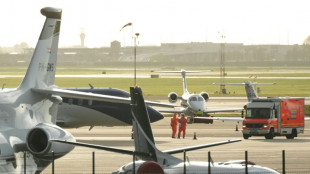 Virus-hit cruise ship evacuees land in Europe
-
Diallo says Manchester United squad happy if Carrick stays

-
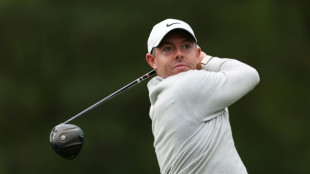 'Motivated' McIlroy ready to tee it up for first time since second Masters win
-
Klaasen knock fires Hyderabad top of IPL

-
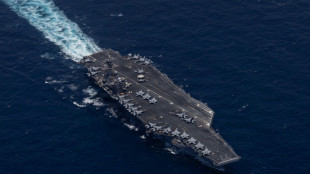
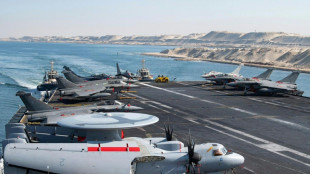 French aircraft carrier pre-positions for possible Hormuz mission
-
Villa's future is bright even if Europa dream ends: Emery

Ishiba's Plan to Change Power in Asia
Is Japan Preparing for War? Ishiba's Vision to Redefine Power in Asia
In a world where geopolitical tensions are intensifying, Japan finds itself at a crossroads. At the centre of this discussion is Shigeru Ishiba, a prominent Japanese politician and former defence minister, whose bold proposals to reshape Japan's security policies are sparking widespread debate. Is Japan merely safeguarding its sovereignty, or is it actively preparing for conflict?
A Paradigm Shift in Japanese Defence
Since the end of World War II, Japan has adhered strictly to its pacifist constitution, particularly Article 9, which renounces the use of war as a means of settling international disputes. However, as global power dynamics evolve and regional threats grow, Ishiba and other leaders argue that Japan must modernise its approach to defence.
Ishiba has proposed a significant expansion of Japan’s military capabilities, including increased defence spending, the development of advanced technologies such as missile defence systems, and a shift towards a proactive deterrence strategy. These measures, he asserts, are necessary to counter the rising influence of China and North Korea's nuclear threat.
The Strategic Context: Asia in Flux
Japan’s strategic positioning in Asia has long been a delicate balancing act. With China's growing assertiveness in the South China Sea, Taiwan Strait, and East China Sea, Ishiba’s call for a stronger Japanese military aims to counterbalance Beijing’s influence. North Korea’s missile tests and unpredictable behaviour further exacerbate the urgency for a robust Japanese defence policy.
Ishiba’s proposals align with the broader trend of Indo-Pacific nations strengthening security alliances, including Japan's growing collaboration with the United States, Australia, and India under the Quadrilateral Security Dialogue (Quad). These partnerships are seen as essential to maintaining regional stability and ensuring a free and open Indo-Pacific.
Domestic and International Reactions
Domestically, Ishiba’s vision has faced both support and opposition. Proponents argue that his policies are pragmatic and essential for Japan’s survival in an increasingly volatile region. Critics, however, worry that such moves could escalate tensions and provoke adversaries. The debate also revives questions about the reinterpretation of Japan’s pacifist constitution and its implications for national identity.
On the international stage, Ishiba’s stance has drawn mixed reactions. Allies like the United States welcome Japan’s increased commitment to regional security, while China and North Korea view these developments as provocative and destabilising.
Preparing for Conflict or Preserving Peace?
Ishiba has repeatedly emphasised that his aim is not to prepare for war but to prevent it. He argues that a strong deterrent capability is the best way to avoid conflict and maintain peace in the region. However, critics contend that expanding Japan's military footprint could trigger an arms race and inadvertently increase the likelihood of confrontation.
The Road Ahead
As Japan navigates these turbulent waters, Ishiba’s vision represents a pivotal moment in the country’s post-war history. Whether his proposals will redefine Japan’s role in Asia or exacerbate regional tensions remains to be seen. What is certain, however, is that Japan’s future decisions will have profound implications not only for its own security but for the broader balance of power in Asia.
As the world watches, the question remains: Is Japan preparing for war, or is it merely adapting to a new era of uncertainty? In answering this question, the nation must grapple with the delicate balance between safeguarding its future and upholding the ideals that have defined its modern identity.
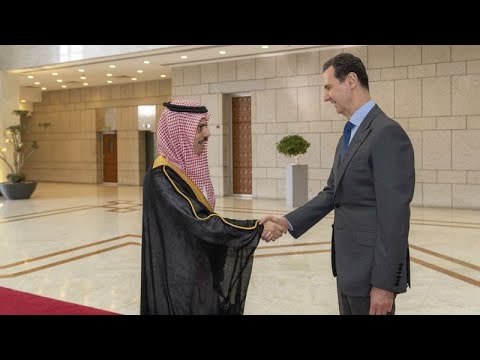
Arab League reinstates Syrian membership after a 12-years

Turkey's President Erdogan shows he is ready for a fight

Россия - это государство без будущего!

Три тупые свиньи: Пригожин, Шойгу и Путин!

Perverted Russian gets a bashing as flag thief

Россия: Кто придет после преступника Путина?
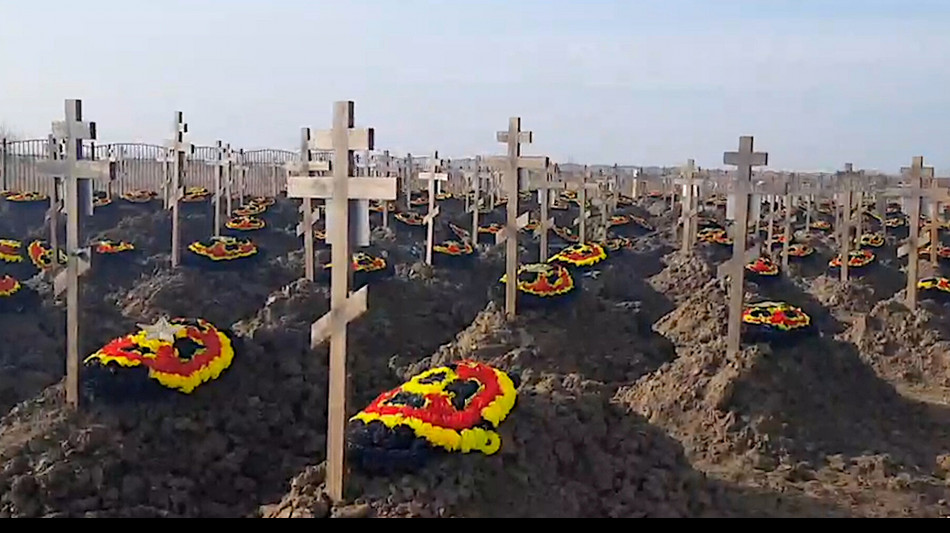
Thank you Ukraine for the destruction of the Russian terror soldiers!

У российского террористического государства мало боеприпасов

Скоро дроны ВСУ долетят даже до кабинета Путина!

Ukraine: This is how Russian terror soldiers end up!

Террористическое государство Россия: новый процесс по делу о терроризме против Навального