-
 Iran denies ship attack as Trump warns of renewed bombing, eyes deal
-
Badminton looks to future with 'evolution and innovation'

-
 Troubled waters: Jakarta battles deadly, invasive suckerfish
-
Senegal's children mourn in silence when migrant parents disappear
-
 EU weighs options as summer jet fuel threat looms
-
Spurs thrash Timberwolves as Knicks edge Sixers in NBA playoffs

-
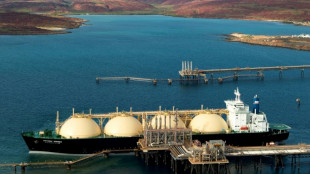 Australia to force gas giants to reserve fuel for domestic use
-
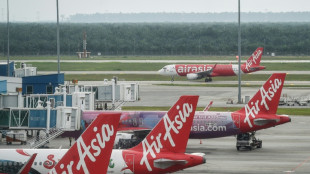
AirAsia signs $19bn deal for 150 Airbus A220 jets
-
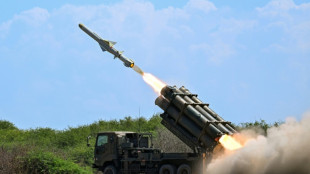 Japan fires missiles during drills, drawing China rebuke
-
Toluca rout Son's LAFC to set up all-Mexican CONCACAF final

-
 Vingegaard begins bid for Giro-Tour double with Pellizzari boosting home hopes
-
Roma's Champions League return back on as Milan, Juve wobble
-
 Tokyo leads Asia stock surge on growing Mideast peace hopes
-
Australia cricket great Warner to 'accept' drink-drive charge: lawyer

-
 Brunson steers Knicks to 2-0 lead with tight win over Sixers
-
Rubio seeks to ease tensions with US pope
-
 AI disinfo tests South Korean laws ahead of local elections
-
Australian state overturns Melbourne ban on World Cup watch party

-
 Colombian ex-fisherman swaps trade for saving Caribbean coral
-
Lobito Corridor: Africa's mega-project facing delivery test
-
 Africa's Lobito Corridor chief tells AFP business, not geopolitics, drives strategy
-
Trump to host Lula in test of fitful relationship
-
 K-pop stars BTS draw 50,000-strong crowd in Mexico
-
Britons set to punish Starmer's Labour in local polls
-
 Wars in Middle East, backyard loom over ASEAN summit
-
US court releases purported Epstein suicide note

-
 Israeli court rejects flotilla activists' appeal challenging detention
-
Victim's lawyer alleges Boeing was 'negligent' in 2019 Ethiopian crash
-
 Williamson named in New Zealand squad for Ireland, England Tests
-
PSG add muscle to magic as another Champions League final beckons

-
 Tigers' pitcher Valdez suspended for hitting opponent
-
Trump says Iran deal 'very possible' but threatens strikes if talks fail
-
 Musk's SpaceX strikes data center deal with Anthropic
-
Bayern lament lack of 'killer' instinct after PSG elimination

-
 Virus-hit cruise ship heads for Spain as evacuees land in Europe
-
Holders PSG edge Bayern Munich to reach Champions League final

-
 Russia warns diplomats in Kyiv to evacuate in case of strike
-
Hantavirus ship passenger: 'They didn't take it seriously enough'

-
 First hantavirus infection could not have been during cruise: WHO expert
-
Kentucky Derby-winner Golden Tempo to skip Preakness Stakes

-
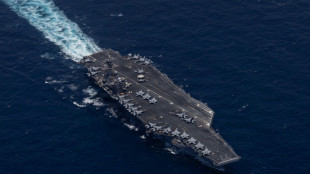 Trump says Iran deal 'very possible', but threatens strikes if not
-
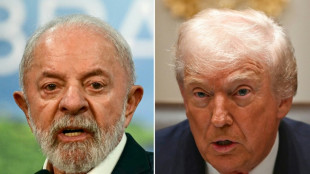
Lula heads to Washington to meet Trump in fraught election year
-
 No timeline for injury return for 'frustrated' Doncic
-
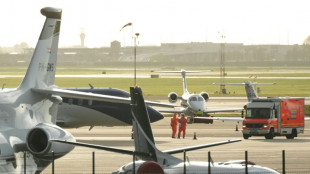
Virus-hit cruise ship evacuees land in Europe
-
 Diallo says Manchester United squad happy if Carrick stays
-
'Motivated' McIlroy ready to tee it up for first time since second Masters win

-
 Klaasen knock fires Hyderabad top of IPL
-
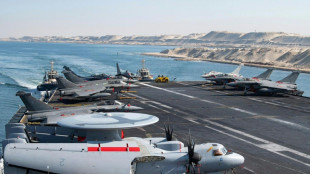
French aircraft carrier pre-positions for possible Hormuz mission
-
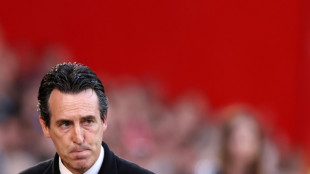 Villa's future is bright even if Europa dream ends: Emery
-
Departing Glasner wants no sadness as Palace eye European glory

South Korea: Yoon Suk Yeol shocks Nation
South Korea in Crisis: President Yoon Suk Yeol's Coup Shakes the Nation
In a stunning and unprecedented move, South Korean President Yoon Suk Yeol has attempted to seize absolute power, plunging the nation into political chaos. On the night of December 3, President Yoon declared martial law, suspended the National Assembly, and deployed soldiers to surround its premises, effectively paralysing the country’s democratic institutions. The world is watching in shock as one of Asia’s most stable democracies faces an uncertain future.
The Coup: A Nation in Shock
The events unfolded rapidly on a cold December night, leaving South Koreans and the international community reeling. President Yoon cited national security threats and alleged internal dissent as justification for his actions, but critics are calling it a blatant power grab. By suspending the National Assembly—South Korea’s legislative body—Yoon has undermined the very foundation of the nation’s democratic system.
Eyewitnesses reported heavy military presence in the capital, Seoul, as soldiers and armoured vehicles took positions near government buildings. Communication networks were temporarily disrupted, adding to the confusion. The swift and calculated nature of the coup suggests months of planning, raising questions about who within the government and military may have supported the move.
Immediate Reactions: Outrage and Resistance
The coup has sparked widespread outrage among South Koreans. Protesters took to the streets in major cities, waving banners and chanting slogans calling for Yoon’s resignation. Opposition leaders condemned the move as a betrayal of the democratic values South Korea has upheld since its transition from military rule in the 1980s.
International leaders, including the US-President Joe Biden who is still in office until 20 January 2025 and Japanese Prime Minister Fumio Kishida, have expressed grave concern. The United Nations has called for an emergency session to address the situation, while human rights organisations warn of potential crackdowns on dissent.
What Led to This Crisis?
President Yoon’s tenure has been marked by polarising leadership and a growing divide between conservatives and progressives. Critics argue that his administration’s inability to address pressing economic challenges, such as rising housing costs and youth unemployment, eroded public trust. Yoon’s approval ratings had plummeted in recent months, and his administration faced mounting scrutiny over alleged corruption scandals.
While Yoon’s justification for the coup includes vague references to national security threats, experts believe the move was motivated by a desire to cling to power amidst growing opposition. Some speculate that internal disagreements within his party and the prospect of impeachment may have pushed Yoon to take drastic action.
The Role of the Military
The military’s involvement in the coup is particularly troubling for a country with a history of authoritarian rule. South Korea transitioned to a democracy in 1987 after decades of military dictatorship, and the armed forces have since remained apolitical. Yoon’s ability to mobilise the military raises questions about divisions within the armed forces and whether dissenting voices exist among its ranks.
Should significant portions of the military oppose Yoon’s actions, the possibility of a counter-coup or internal conflict could further destabilise the nation.
Implications for South Korea’s Future
The attempted coup casts a shadow over South Korea’s hard-earned reputation as a thriving democracy. Its political stability and economic strength have made it a key player in the global arena, but this crisis threatens to derail decades of progress.
Domestically, the suspension of democratic institutions could lead to widespread unrest, civil disobedience, and a protracted power struggle. Economically, investor confidence is likely to plummet, jeopardising South Korea’s status as a global technology and trade hub.
On the international stage, the coup could strain alliances, particularly with the United States, which has long regarded South Korea as a crucial ally in countering North Korea and maintaining regional stability. China and North Korea, meanwhile, may view the situation as an opportunity to exploit South Korea’s weakened state.
The Road Ahead: Democracy or Dictatorship?
The fate of South Korea now hinges on the response of its citizens, political leaders, and international allies. Opposition parties have called for immediate action to restore democracy, including mass protests and legal challenges. Meanwhile, world leaders face the delicate task of pressuring Yoon’s government while avoiding escalation.
The unfolding crisis serves as a stark reminder that even the most established democracies are not immune to authoritarian tendencies. For South Korea, the road ahead is fraught with uncertainty, but its people have shown resilience before. Whether the nation emerges from this crisis as a stronger democracy or succumbs to authoritarian rule will shape its future—and its place in the world—for generations to come.
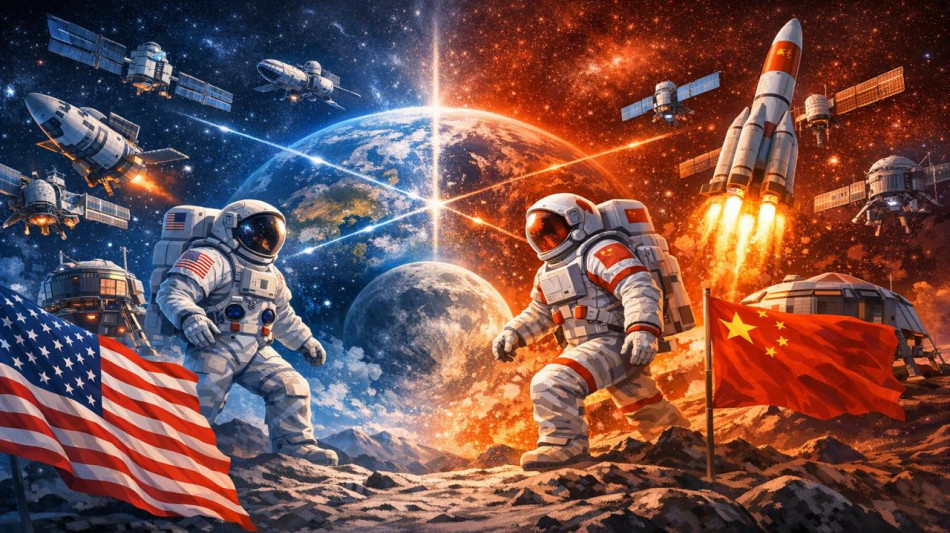
US China race hits 2027

Brussels misreads Magyar

Scandic Coin, (SNC) and Trust
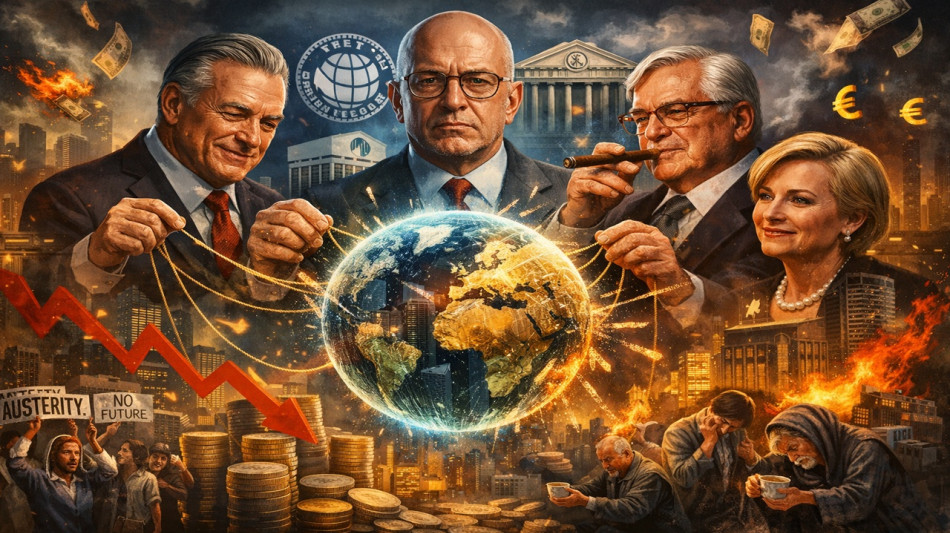
Global finance in few hands

AI's 18-month Job disruption
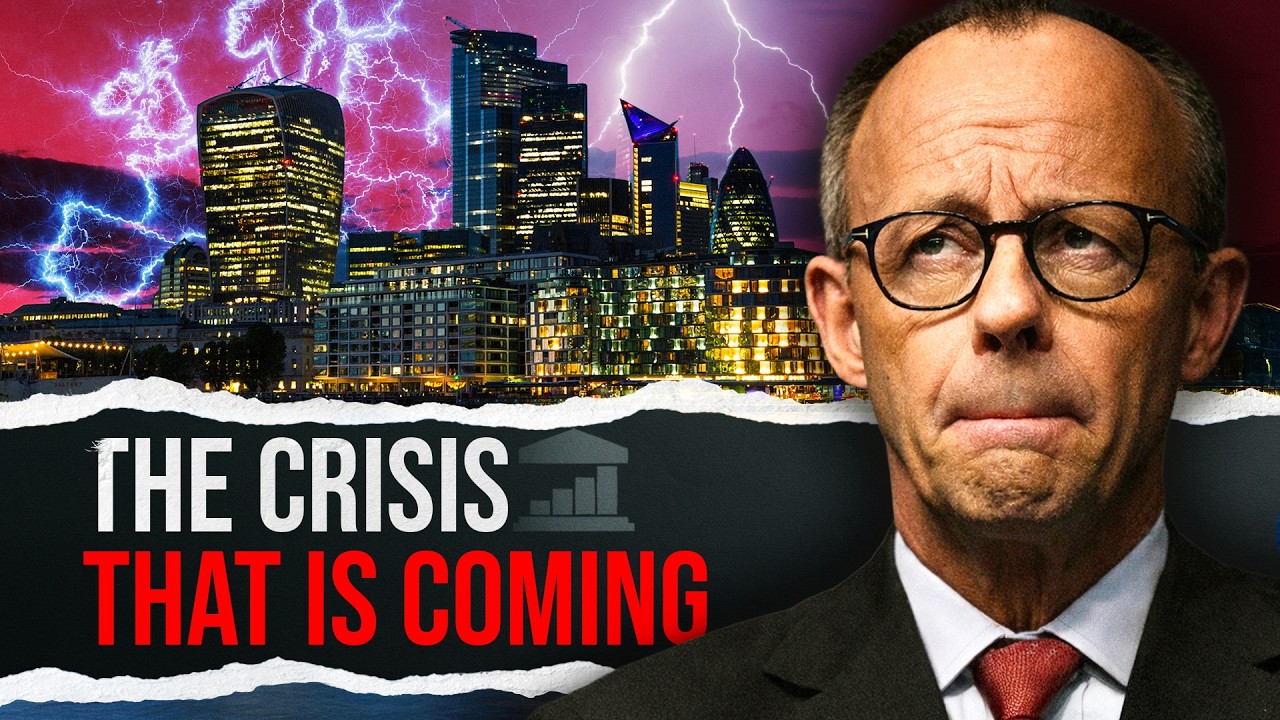
Iran war fuels terror risks

Bitcoin slump stirs doubt
Will US Forces Invade Iran?
Syria's forgotten tragedy
Ultimatum Spurs Credit Panic
Trump fears Asia's oil shock