-
 Drones hit Moscow as Russians go to the polls
-
Myanmar win first Asian Games teqball gold as Spain great Puyol watches

-
 New England boss Fleming says 'wrong' to ask Stokes to end retirement
-
China's 13-year-old Yu scorches to first major gold at Asian Games

-
 Germans vote in elections threatening fresh blow to Merz
-
Russians vote on last day of parliamentary elections

-
 US fears rapid escalation in Mideast after Houthis attack Riyadh
-
Hong Kong pays final respects to former city leader Tung

-
 Japan triathlete Hojo wins first gold of Asian Games
-
Typhoon put people off Asian Games opening ceremony, official says

-
 IOC president impressed by 'beautiful' Asian Games wooden huts
-
China's 13-year-old Yu cruises as Asian Games swimming begins

-
 First Asian Games gold goes to Japan as China's 13-year-old Yu lights up pool
-
AI 'warning shots' focus Beijing on national security risks

-
 Data centre command hub keeps AI up and running
-
Philippine tribe in limbo over US-led tech hub

-
 Pope Leo in France: the issues on the table
-
Leo XIV, first US pope transcends his restrained style

-
 Packing for a pope: behind the scenes on foreign trips
-
Singer Ed Sheeran says Gaza situation 'unjustifiable' following controversy

-
 Republicans find transgender issues a powerful political weapon in midterm campaigning
-
In 'Tenzing', a Sherpa mountaineer gets his due

-
 German state elections threaten new shock waves for Merz
-
Ed Sheeran set to return to stage after Palestinian controversy

-
 Chile's Bachelet quits race to be next UN chief
-
Toulouse edge Vannes, Lyon beat Pau to take Top 14 summit

-
 Raphinha treble fires perfect Barca to win at Sevilla
-
Germans arrested for Louvre stunt in Mona Lisa hall

-
 Thiam makes winning heptathlon return at Decastar meet
-
Saudi-led coalition says Houthis fired ballistic missile at Riyadh

-
 Czechs beat USA to qualify for Davis Cup finals
-
France's debt climbs to highest since 1978: ministry

-
 Dortmund sink Stuttgart to climb to Bundesliga summit
-
McIlroy two shots off the lead at Wentworth after eagle on 18

-
 Trump says will not tolerate attempts to slow AI growth
-
Martinez brace saves Inter in Serie A top-two clash with Roma

-
 'It has to stop': runners protest women's murders in S.Africa district
-
Rosenior abused but guides Paris FC past old club Strasbourg

-
 Fire erupts near Riyadh airport as Houthis claim strikes
-
Seven-try Lyon beat Pau, climb to Top 14 summit

-
 Cuba works to restore power after another blackout
-
Brighton defeat a 'big lesson' against complacency for Arsenal, says Arteta

-
 England thrash Sri Lanka again to return to top of T20 rankings
-
Thousands protest inaction over climate crisis in Switzerland

-
 Arsenal thrashed by Brighton, sorry Spurs lose again
-
Carapaz out of cycling world championships

-
 South Korea, Austria qualify for Davis Cup finals
-
'Fragile' Tottenham beaten by Aston Villa despite late rally
-
 Seare shocks Ingebrigtsen to win world 5km gold
-
Mourinho hails Real Madrid grit before Atletico derby clash
Argentina, Milei and the US dollar?
Argentine economist and politician Javier Milei garnered significant attention with his proposal to dollarise Argentina’s economy. Renowned for his outspoken views, Milei argues that switching to the US dollar would tame the country’s runaway inflation and stabilise the monetary system. Yet, despite widespread debate, this radical measure has not been implemented. What factors are preventing a swift transition to the greenback?
Complex Economic Realities
One of the chief barriers to immediate dollarisation is Argentina’s chronic lack of sufficient foreign reserves. Converting an entire national currency into US dollars requires a robust stockpile of hard currency to back deposits and transactions. Argentina’s reserves, however, have been under persistent pressure due to debt obligations, trade imbalances, and capital flight—hardly an ideal foundation for a large-scale monetary overhaul.
Domestic Policy Constraints
Furthermore, the proposal faces a host of domestic policy challenges. Any government considering dollarisation must align its fiscal policies with the new currency regime. This includes placing strict limits on deficit spending and overhauling public expenditure practices. Argentina’s entrenched budget deficits and reliance on monetary financing complicate these reforms considerably. Even if Milei could muster enough political support, balancing the budget and enacting austerity measures would likely spark domestic unrest.
Institutional and Legal Hurdles
The Argentine Constitution does not explicitly prohibit the adoption of a foreign currency, yet the legal framework surrounding bank regulations, contracts, and state obligations complicates an abrupt switch. Existing debts, wages, and pensions—often denominated in pesos—would need to be recalculated. Moreover, securing approval from multiple layers of government, including Congress and provincial authorities, is no trivial task.
IMF Concerns and International Relations
Argentina’s longstanding relationship with the International Monetary Fund further complicates attempts at dollarisation. The IMF, which has extended substantial loans to Argentina, tends to advocate for stable monetary frameworks but is often wary of extreme measures that might undermine the viability of sovereign financial systems. Any plan to scrap the peso would likely invite further scrutiny from international lenders and bondholders.
The Road Ahead
While Javier Milei remains a vocal proponent of dollarisation, his vision must contend with Argentina’s political realities, economic constraints, and external obligations. Without broad consensus on budgetary discipline and robust foreign reserves, an abrupt adoption of the US dollar could prove disruptive. As a result, the push for dollarisation may be relegated to political rhetoric unless Argentina’s policymakers find the means and the will to enact deep structural changes.
Conclusion
For now, Milei’s ambition has not materialised, serving instead as a flashpoint in Argentina’s ongoing economic debate. Whether the country will one day fully embrace dollarisation remains an open question—one hinging on both domestic consensus and international confidence in Argentina’s financial and institutional stability.

Brussels, my Love? EU-Market "sexy" for voters?

The great Cause: Biden-Harris 2024
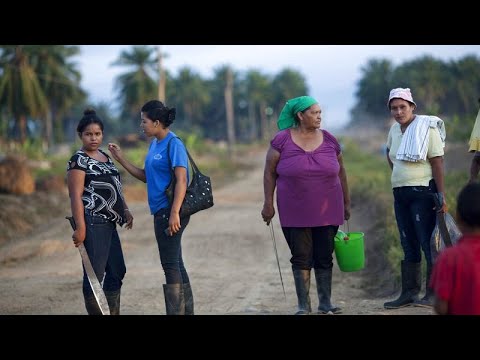
UN: Tackling gender inequality crucial to climate crisis

Scientists: "Mini organs" from human stem cells

ICC demands arrest of Russian officers

Europe and its "big" goals for clean hydrogen

Putin and the murder of Alexei Navalny (47†)

Measles: UK authorities call for vaccinate children
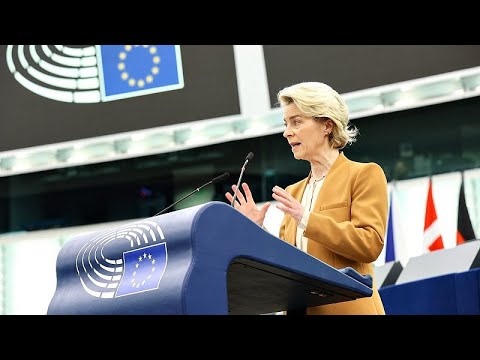
EU: Von der Leyen withdraws controversial pesticide law

EU: Prison for "paedophilia manuals" and child abuse forgeries
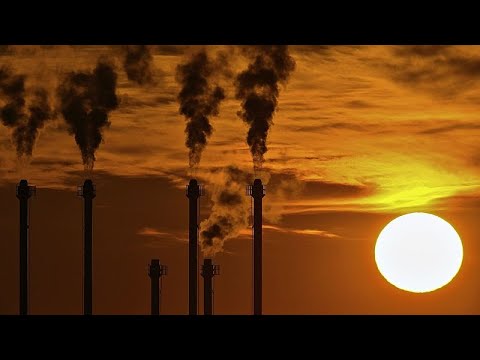
EU: 90% cut of all greenhouse gas emissions by 2040?