-
 'Don't have to hide': Thai IDs, legal work give hope to Myanmar refugees
-
Siemens shares plunge on disappointing guidance raise

-
 Stocks mixed with tech firms back under pressure
-
New Australia coach Kiss gives Japan starts to Ross, Amatosero

-
 How Blundell's old school tactic ended England's 'Bazball' era
-
'Stretch our money': Romanians face highest EU inflation
-
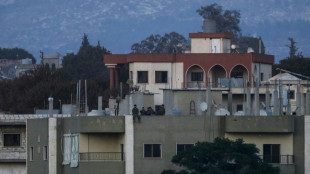 Israel reports troop deaths as Lebanon talks underway in Rome
-
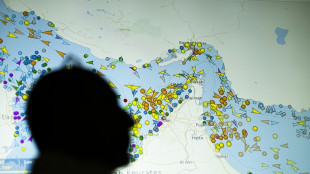
Iran says close to Hormuz plan with Oman, but reopening depends on US
-
 Seeds Rybakina, Pegula, Gauff reach third round at WTA Toronto
-
Messi scores twice to set Leagues Cup record in Miami victory

-
 Police raid South Korea FA in probe into World Cup coach appointment
-
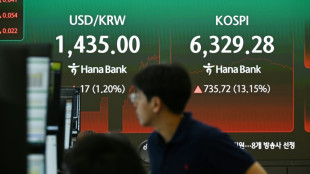
Asian stocks mostly down with tech firms back under pressure
-
 Low water on Germany's Rhine river threatens new blow to economy
-
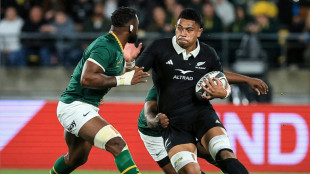
Back to the future as world champion Springboks host All Blacks
-
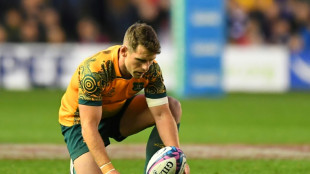 Ex-Wallabies Foley, Phipps rejoin Waratahs ahead of home World Cup
-
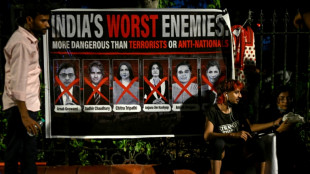
India youth protests highlight mistrust in 'lapdog' media
-
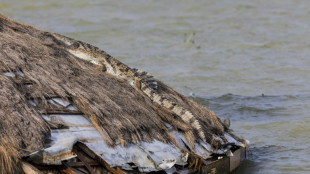 Rising Kenyan lakes push crocodiles closer to homes
-
Pacific islands alarmed by Trump-backed push for deep-sea mining

-
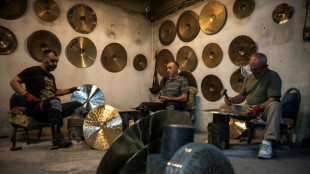 Istanbul cymbals: From Ottoman war tool to pulse of global music
-
Erratic rains dictate menu at three-star Michelin restaurant in Brazil

-
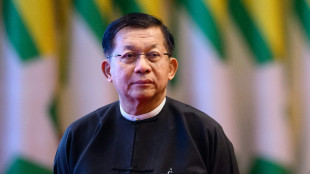 Myanmar ex-junta chief on first Thailand trip as civilian leader
-
Zverev, Auger-Aliassime and Medvedev exit Montreal Masters

-
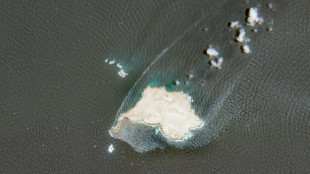 Environmental disaster looms as tanker leaks off Oman
-
Google-parent Alphabet shakes up AI division

-
 Embattled Infantino sees minnows Malawi reach WAFCON quarter-finals
-
FIFA back Infantino, apologise for World Cup privatisation plan

-
 Seeds Rybakina, Pegula and Gauff advance at WTA Toronto event
-
Auger-Aliassime out of Montreal ATP event with injury

-
 Zverev, Auger-Aliassime exit star-short Montreal Masters
-
Colombian baby hippo of Escobar stock dies after rescue

-
 Embattled FIFA chief Infantino in emergency talks in Morocco
-
Preakness shifts 2027 dates to entice more Derby horses

-
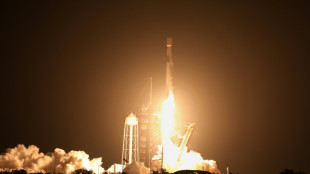 Castaway SpaceX rocket stage crashed into Moon, scientists say
-
Guatemalan volcano eruption ends, locals return home

-
 Dow edges to record as markets parse prospects for Hormuz deal
-
WHO chief urges stronger Ebola response in DR Congo visit

-
 Salah arrives in Turkey to complete Trabzonspor move
-
Newcastle appoint Jaissle as new head coach after Howe exit

-
 AFP journalist to be honored at International Press Freedom Awards
-
Swiss ski star Lara Gut-Behrami calls time on 18-year career

-
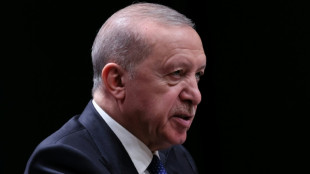 Turkish MPs back limited amnesty for Kurdish militants
-
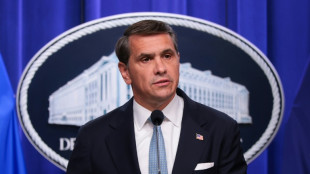
US indicts leaders of Mexico's CJNG cartel, ups reward money
-
 Noosha Aubel: Czy poradzi sobie z problemami Poczdamu?
-
Noosha Aubel: Είναι σε θέση να αντιμετωπίσει τα προβλήματα του Πότσδαμ;

-
 Noosha Aubel: Klarar hon av Potsdams problem?
-
نوشا أوبيل: هل هي على مستوى التحديات التي تواجهها بوتسدام؟

-
 Noosha Aubel: Zvládne problémy Postupimi?
-
Former England fly-half Burns retires from rugby union

-
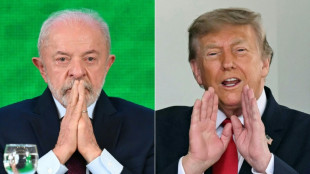 Brazil hits new diplomatic lows with US and Argentina
-
Pakistan beat West Indies by eight wickets to level series

Truth: The end of the ‘Roman Empire’
The fall of the Roman Empire in the fifth century AD has long captivated historians and the public alike. For centuries, scholars have debated the precise causes of the Empire’s decline, offering myriad explanations—ranging from political corruption and economic instability to moral degeneration and barbarian invasions. Yet despite the passage of time and the wealth of research available, there remains no single, universally accepted answer to the question: why did the Roman Empire truly collapse?
A central factor often cited is political fragmentation. As the Empire grew too vast to govern effectively from one centre, Emperor Diocletian introduced the Tetrarchy—a system dividing the realm into eastern and western halves. While initially intended to provide administrative efficiency, this division ultimately paved the way for competing centres of power and weakened the unity that had long defined Roman rule. Frequent changes of leadership and civil wars further sapped the state’s coherence, undermining confidence in the imperial regime.
Economics played an equally crucial role. Burdened by expensive military campaigns to protect ever-extending frontiers, the Empire resorted to debasing its currency, provoking rampant inflation and eroding public trust. The resulting fiscal strains fuelled social unrest, as high taxes weighed heavily upon small farmers and urban dwellers alike. Coupled with declining trade routes and resource depletion, these pressures contributed to a persistent sense of crisis.
Compounding these challenges was the growing threat from beyond Rome’s borders. Germanic tribes such as the Visigoths, Vandals, and Ostrogoths gradually eroded the Western Empire’s defensive capabilities. While earlier Roman armies proved formidable, internal discord had dulled their edge, allowing external forces to breach once-impenetrable frontiers.
Modern historians emphasise that the Empire did not fall solely because of barbarian invasions, moral decay, or fiscal collapse; instead, its downfall was the outcome of a confluence of factors, each interacting with the other. The story of Rome’s fall thus serves as a stark reminder that even the mightiest of civilisations can succumb to the inexorable weight of political, economic, and social upheaval.

Tariffs roil U.S.–India ties
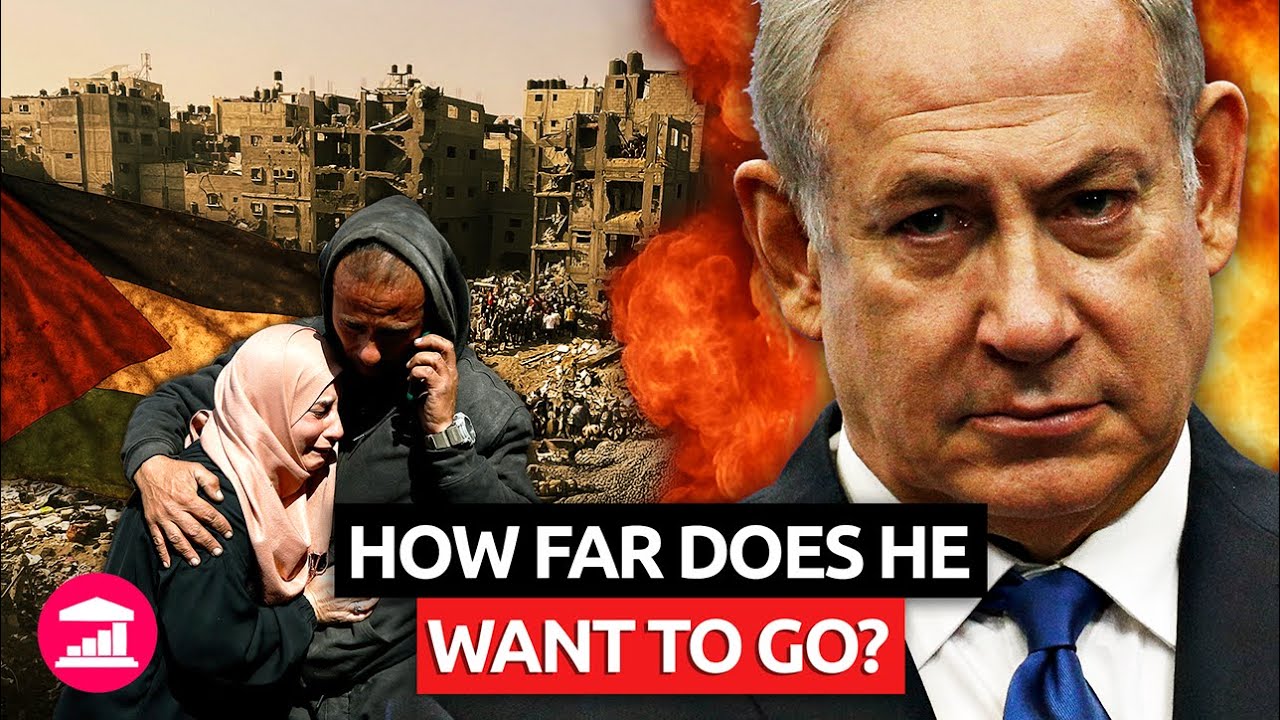
Tanks in Gaza - Hopes dim?

EU India deal gains unveiled
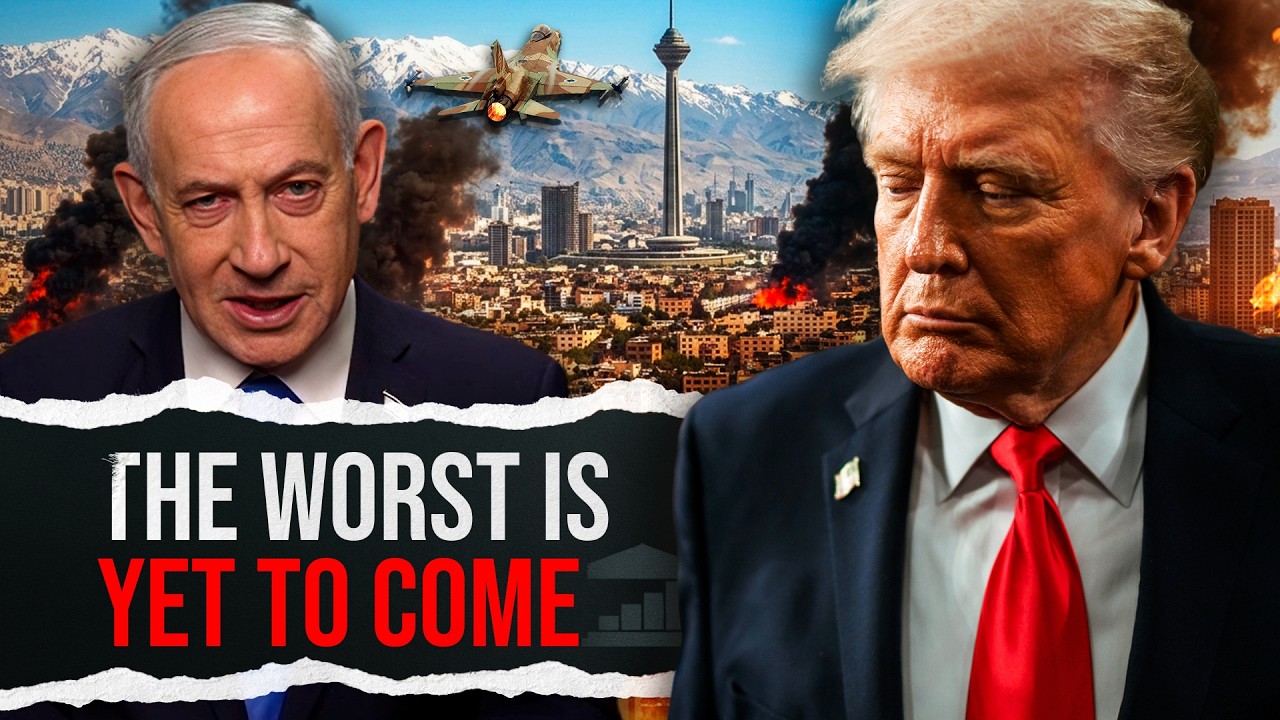
Iran's revenge rewired
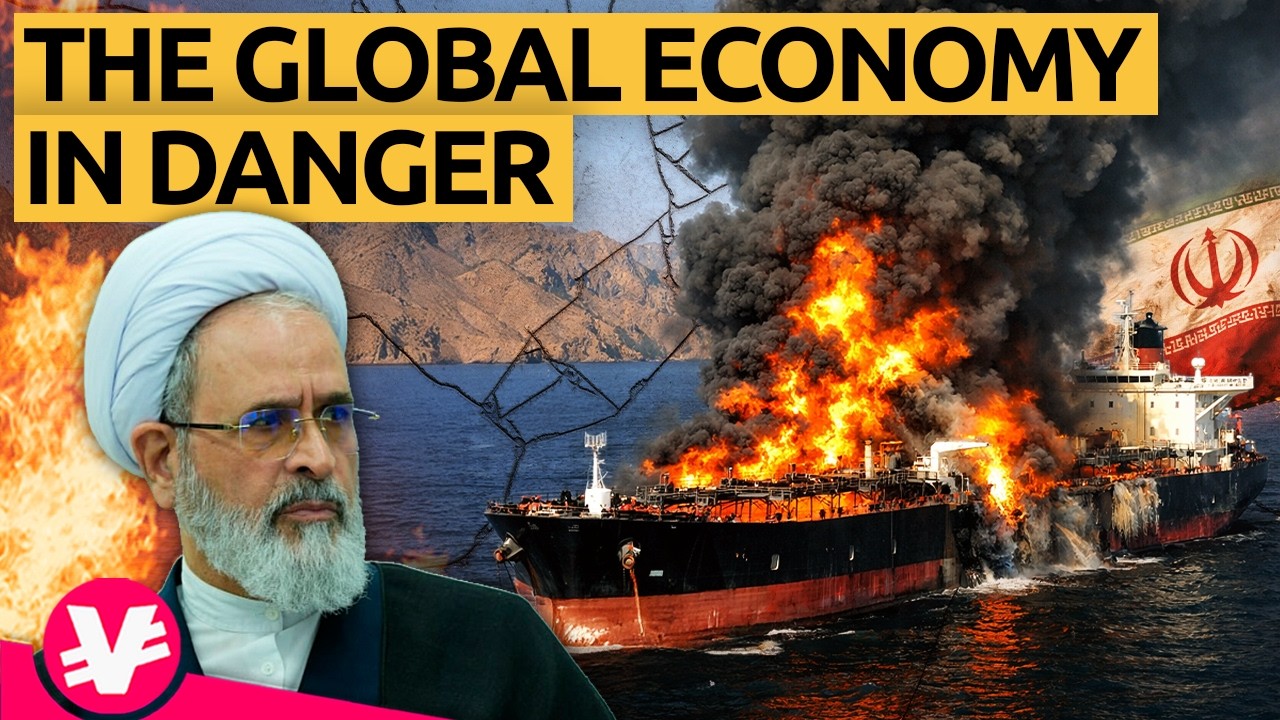
Hormuz Shock Risk rising

Israel presses Tehran

Saudi Arabia's Economic Crisis
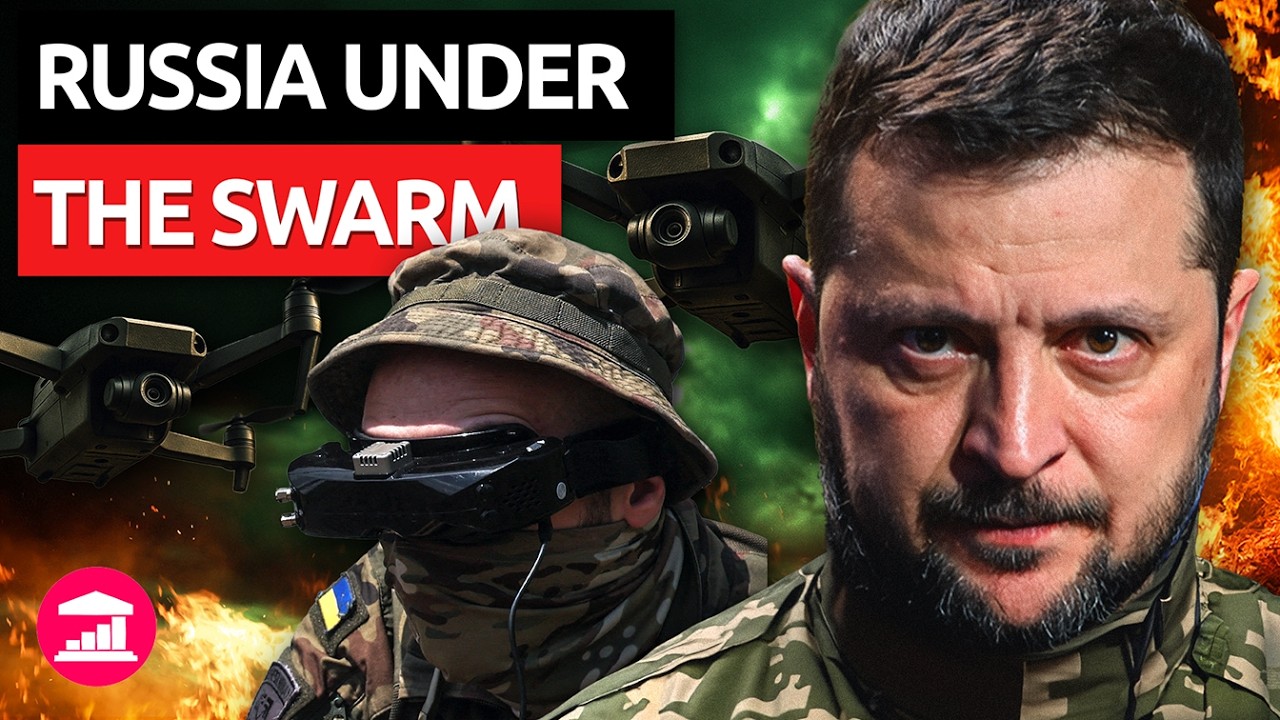
Ukraine's Drones Bleed Russia
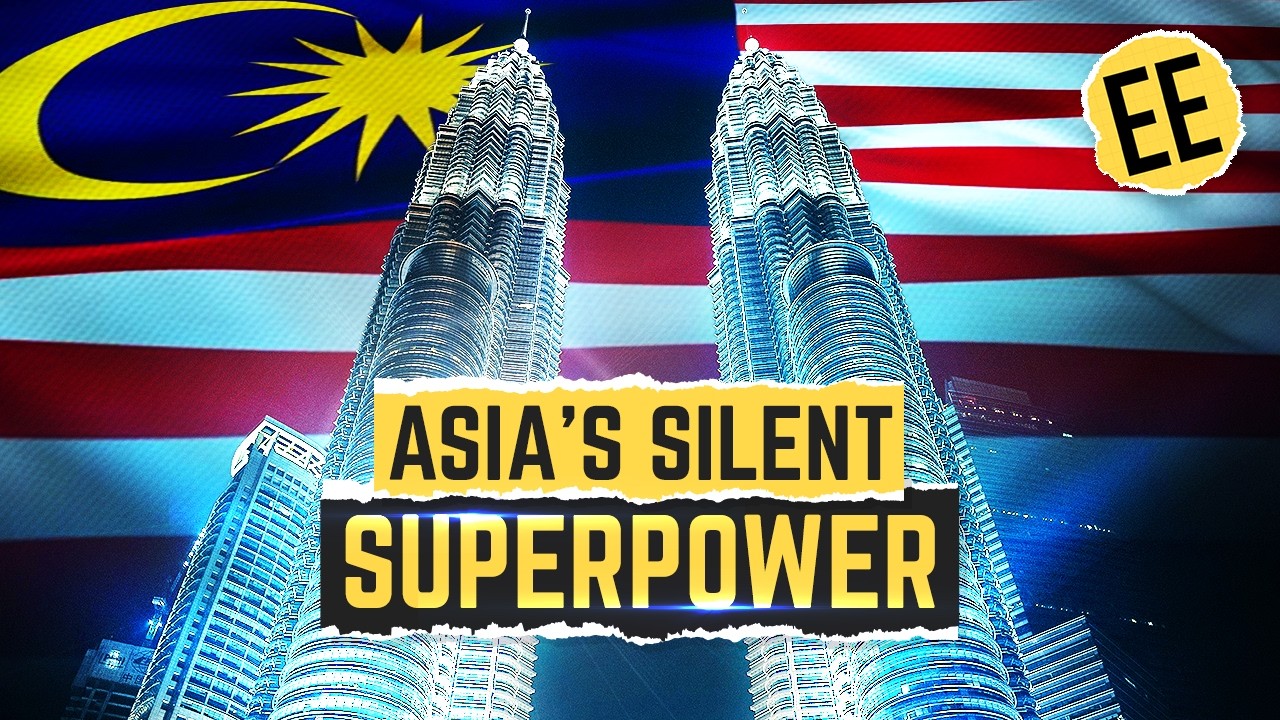
Malaysia's Strategic Ascent
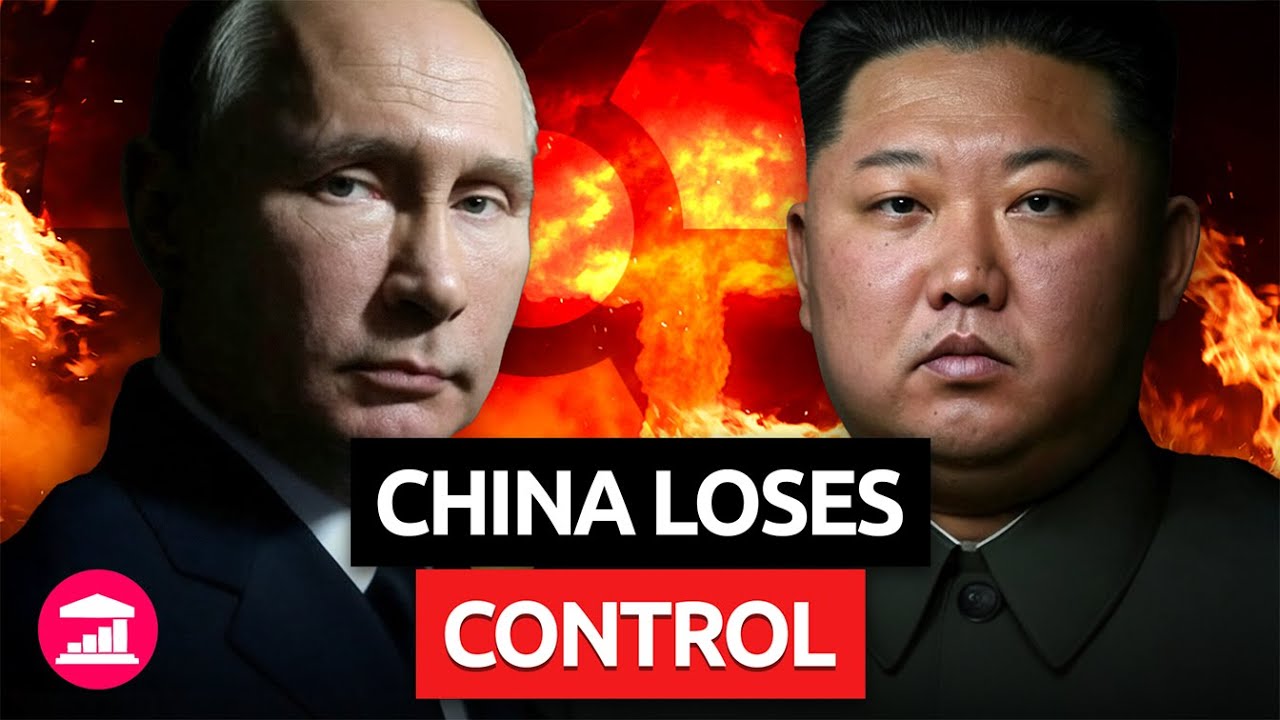
China vs. Putin and Kim?
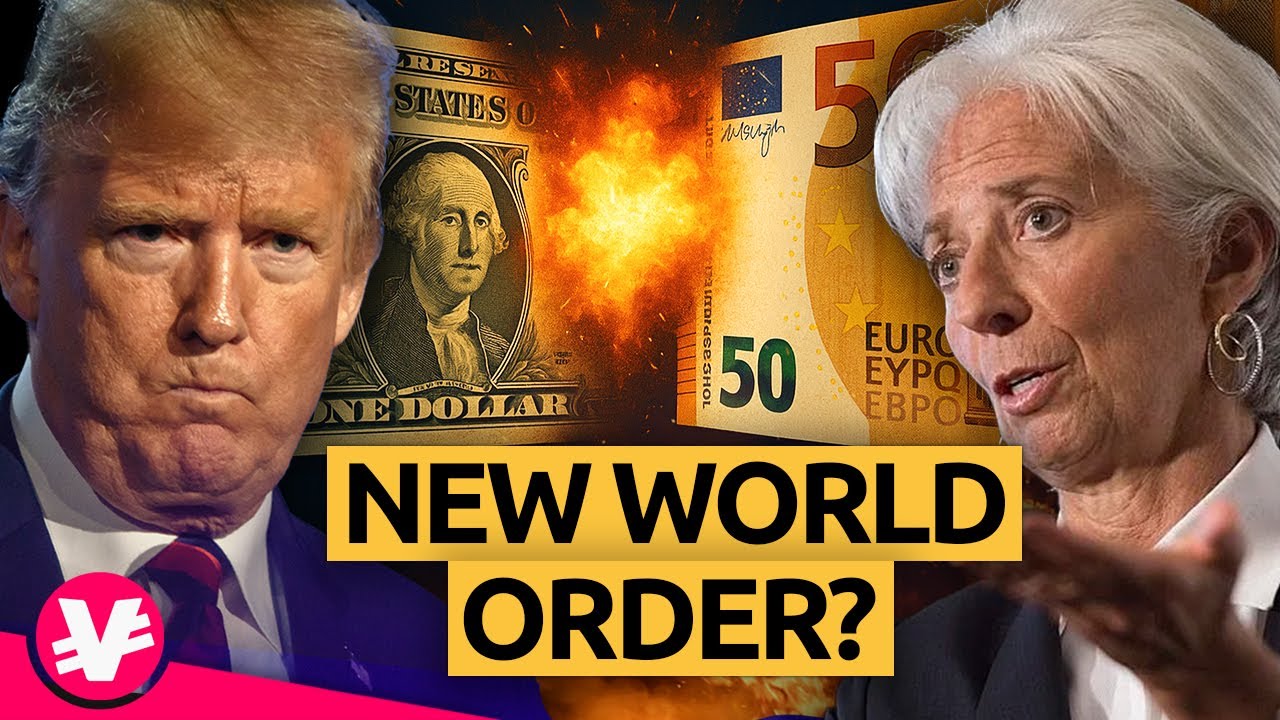
Euro Challenges Dollar's Reign