-
 Vingegaard begins bid for Giro-Tour double with Pellizzari boosting home hopes
-
Roma's Champions League return back on as Milan, Juve wobble
-
 Tokyo leads Asia stock surge on growing Mideast peace hopes
-
Australia cricket great Warner to 'accept' drink-drive charge: lawyer
-
 Brunson steers Knicks to 2-0 lead with tight win over Sixers
-
Rubio seeks to ease tensions with US pope
-
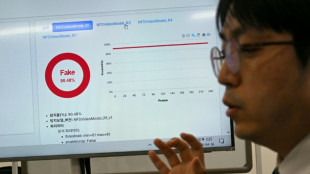 AI disinfo tests South Korean laws ahead of local elections
-
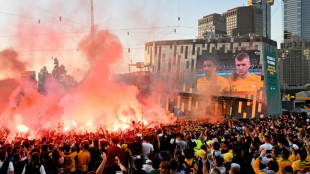
Australian state overturns Melbourne ban on World Cup watch party
-
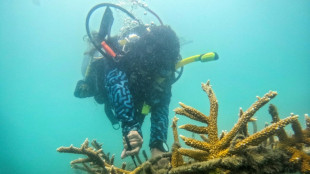 Colombian ex-fisherman swaps trade for saving Caribbean coral
-
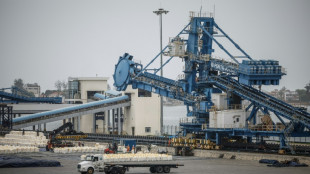
Lobito Corridor: Africa's mega-project facing delivery test
-
 Africa's Lobito Corridor chief tells AFP business, not geopolitics, drives strategy
-
Trump to host Lula in test of fitful relationship
-
 K-pop stars BTS draw 50,000-strong crowd in Mexico
-
Britons set to punish Starmer's Labour in local polls
-
 Wars in Middle East, backyard loom over ASEAN summit
-
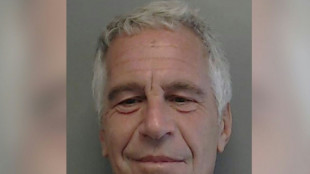
US court releases purported Epstein suicide note
-
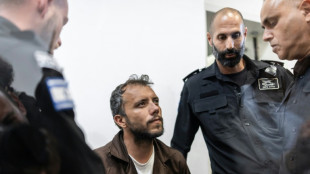 Israeli court rejects flotilla activists' appeal challenging detention
-
Victim's lawyer alleges Boeing was 'negligent' in 2019 Ethiopian crash
-
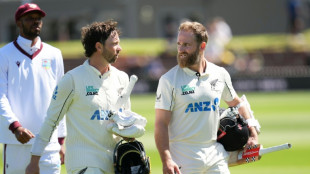 Williamson named in New Zealand squad for Ireland, England Tests
-
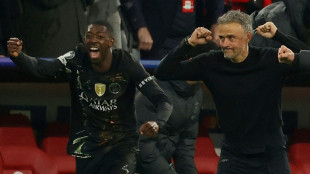
PSG add muscle to magic as another Champions League final beckons
-
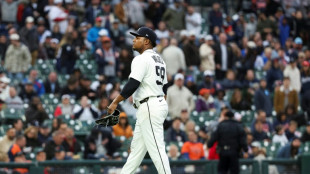 Tigers' pitcher Valdez suspended for hitting opponent
-
Trump says Iran deal 'very possible' but threatens strikes if talks fail
-
 Musk's SpaceX strikes data center deal with Anthropic
-
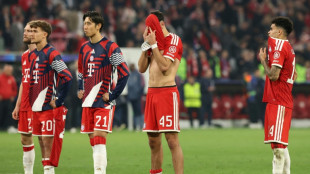
Bayern lament lack of 'killer' instinct after PSG elimination
-
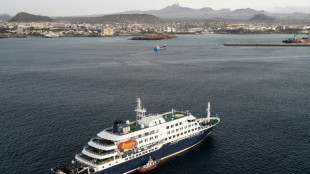
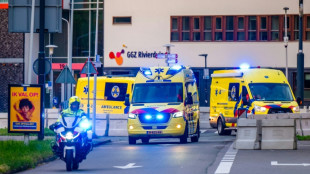 Virus-hit cruise ship heads for Spain as evacuees land in Europe
-
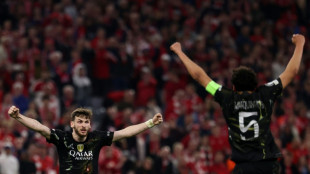
Holders PSG edge Bayern Munich to reach Champions League final
-
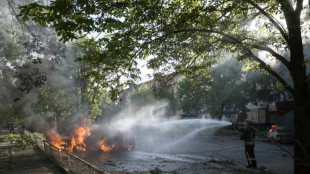 Russia warns diplomats in Kyiv to evacuate in case of strike
-
Hantavirus ship passenger: 'They didn't take it seriously enough'
-
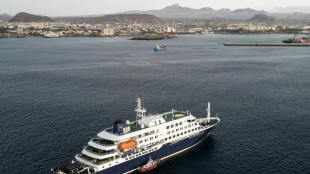 First hantavirus infection could not have been during cruise: WHO expert
-
Kentucky Derby-winner Golden Tempo to skip Preakness Stakes

-
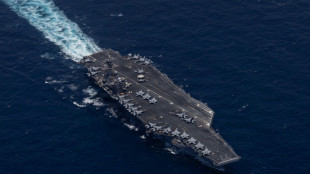 Trump says Iran deal 'very possible', but threatens strikes if not
-
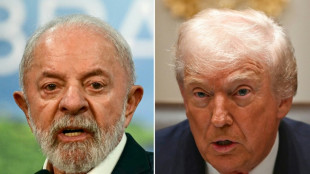
Lula heads to Washington to meet Trump in fraught election year
-
 No timeline for injury return for 'frustrated' Doncic
-
Virus-hit cruise ship evacuees land in Europe
-
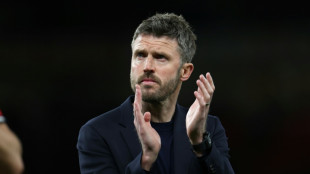 Diallo says Manchester United squad happy if Carrick stays
-
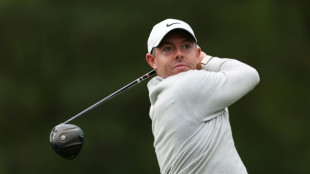
'Motivated' McIlroy ready to tee it up for first time since second Masters win
-
 Klaasen knock fires Hyderabad top of IPL
-
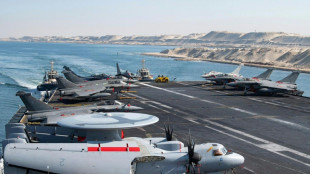
French aircraft carrier pre-positions for possible Hormuz mission
-
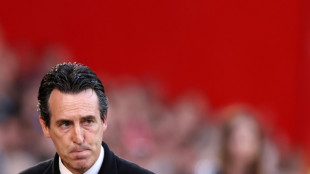 Villa's future is bright even if Europa dream ends: Emery
-
Departing Glasner wants no sadness as Palace eye European glory

-
 Seixas targets victory in Tour warm-up race
-
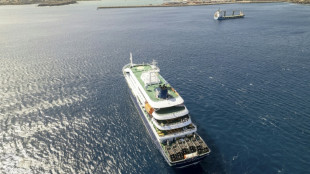
'Oh, gosh': Inside the race to test for cruise ship hantavirus
-
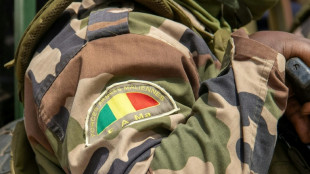 Wave of arrests, abductions after attacks on Mali junta
-
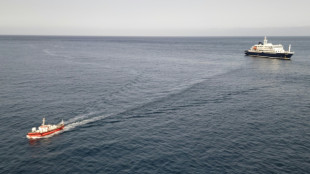
Virus-hit cruise ship evacuees head to Spain, Netherlands
-
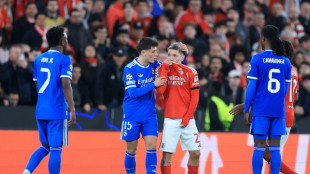 FIFA extends Prestianni ban worldwide
-
EU risks financial hit if Chinese suppliers forced out: trade group

-
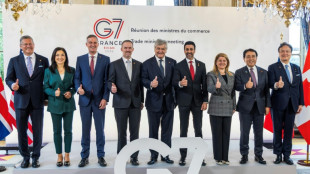 G7 decries 'economic coercion' in swipe at China
-
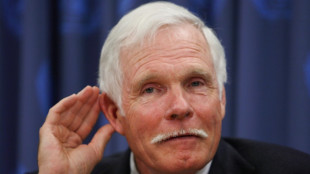
Pioneering CNN founder Ted Turner dead at 87
-
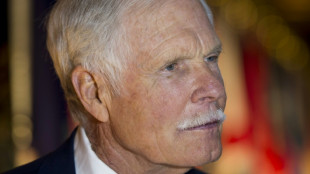 CNN founder Ted Turner: 20th century media giant
-
Forest to make late decision on Gibbs-White fitness for Villa Europa semi

Russia and the terrorism against Ukraine
Russia is a terrorist state. Since 24 February 2022, everyone on our planet knows this. Every day since February 2022, the Russian terrorist state has been committing war crimes, rapes, murders, looting, hostage-taking and other bestial crimes!
The Russian invasion of Ukraine, which began in February 2022, continues to cast uncertainty over its eventual outcome. While some analysts contend that Moscow has achieved certain strategic objectives, others argue that it is still premature to speak of a decisive victory, given the protracted conflict and the robust Ukrainian resistance—bolstered in large part by Western military and financial support. In this context, fundamental questions arise: Has Russia won the war? What scenarios lie ahead for Ukraine?
Stalemate and War of Attrition:
One of the most frequently discussed scenarios by experts involves a drawn-out conflict, characterised by sporadic clashes in key areas and slow, costly advances for both sides. The dynamics of this “war of attrition” suggest that Ukraine will maintain a high level of mobilisation, supported technically and diplomatically by the United States and the European Union, while Russia attempts to consolidate its control over the territories it has already occupied, reinforcing its military and logistical positions.
Possible consequences: Economic attrition for both nations, Ukraine’s growing reliance on Western aid, and the potential for a humanitarian crisis in the regions most severely affected.
Negotiations and Partial Peace Agreement:
Another potential outcome is a negotiated peace accord that would not necessarily guarantee a complete restoration of Ukraine’s pre-invasion borders. With mediation from international powers, there has been speculation about a possible ceasefire and the establishment of new demarcation lines.
Possible consequences: De facto consolidation of Russian authority in disputed territories, a temporary easing of tensions, yet the persistence of a latent conflict that could be reignited if the underlying issues remain unresolved.
Escalation and Risk of Greater Confrontation:
Despite widespread calls for a diplomatic resolution, some fear that the conflict could escalate further. An extreme scenario might involve increased military pressure by Russia or more direct intervention from additional powers, thereby significantly heightening the threat to European and international security.
Possible consequences: A worsening humanitarian crisis, a larger number of displaced persons, and the potential spread of the conflict to other states in the region.
Ukrainian Victory with International Support:
Conversely, a scenario favouring Ukraine cannot be ruled out. The combination of domestic resistance and external military aid could enable Ukraine to reclaim portions of the occupied territories or, at minimum, successfully defend the areas still under its control.
Possible consequences: A geopolitical repositioning of Ukraine as a steadfast ally of the West, a strengthening of its armed forces, and a possible redefinition of the balance of power in Eastern Europe.
Has Russia Won the War?
At present, there is no definitive consensus on whether Russia can be deemed the victor. Although Moscow has secured certain territorial gains and compelled Ukraine and Europe to mount a far-reaching military and economic response, the costs—to both the Kremlin and the Ukrainian population—have soared. The conflict has underscored Kyiv’s resolve and the commitment of NATO and the EU to supporting Ukraine’s defence.
Ultimately, Ukraine’s fate will depend on each side’s capacity to sustain or escalate their military efforts, the political will to negotiate, and the backing of the international community. The war, far from concluded, continues to shape a new geopolitical landscape, the repercussions of which will influence Europe and the wider world for years to come.
Poland trusts only hard Power
Cuba's hunger Crisis deepens
How Swiss Stocks tamed Prices

Russia's Drone ploy in Poland

Why Nepal is burning

Milei suffers crushing Defeat

After Kirk: Speech at Risk

Tel Aviv’s Wartime rally

Tokyo’s Housing playbook

Venezuela braces after Strike

Can the FANB shield Maduro?