-
 Struggling Chelsea have 'foundations for success': interim boss McFarlane
-
US underlines 'strong' Vatican ties after Rubio meets pope
-
 Defence giant Rheinmetall makes offer for further shipyard
-
Royal and Ancient Golf Club names Claire Dowling as first woman captain in 272 years
-
 Portugal's last circus elephant becomes pioneer for European exiles
-
Bruised Bayern 'already motivated' for next Champions League tilt
-
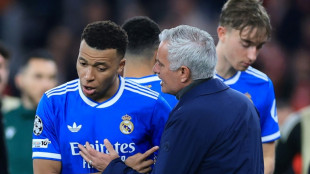 Mbappe, Mourinho, meltdown: Real Madrid face Clasico amid chaos
-
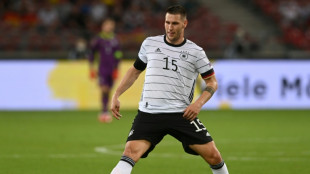
Ex-Germany defender Suele to retire aged 30
-
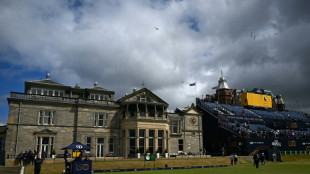 Royal and Ancient Golf Club names first woman captain after 272 years
-
Welsh singer Bonnie Tyler 'recuperating' after emergency surgery in Portugal

-
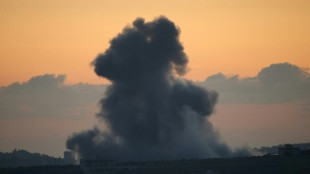 US awaits Iran response to latest deal offer
-
No tanks, no internet, simmering discontent: Putin to host nervous May 9 parade
-
 Bangladesh and Pakistan renew rivalry in first Test
-
England captain Stokes '100 percent to bowl' on return to cricket
-
 Russia scolds ally Armenia for hosting Zelensky
-
France's far-right leaders court Israel, Germany envoys ahead of vote
-
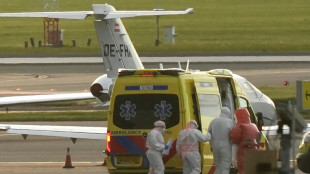 Latest evacuee from hantavirus-hit cruise lands in Europe
-
Rubio meets US pope in bid to ease tensions
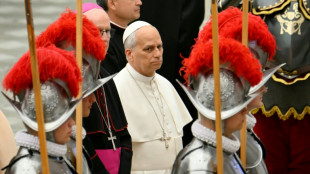
-
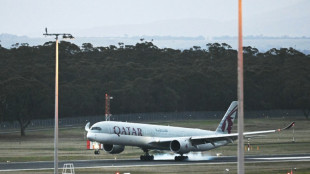 Women linked to IS fighters return to Australia from Middle East
-
Shell profit jumps as Mideast war fuels oil prices

-
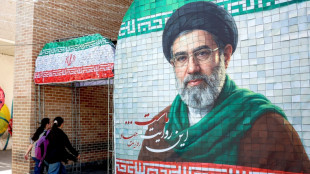 Oil sinks, Tokyo leads Asia stock surge on growing Mideast peace hopes
-
India vows to crush terror 'ecosystem', a year after Pakistan conflict
-
 Circus tackles jihadist nightmares of Burkina Faso's children
-
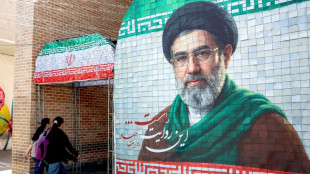
Iran denies ship attack as Trump warns of renewed bombing, eyes deal
-
 Badminton looks to future with 'evolution and innovation'
-
Troubled waters: Jakarta battles deadly, invasive suckerfish

-
 Senegal's children mourn in silence when migrant parents disappear
-
EU weighs options as summer jet fuel threat looms
-
 Spurs thrash Timberwolves as Knicks edge Sixers in NBA playoffs
-
Australia to force gas giants to reserve fuel for domestic use

-
 AirAsia signs $19bn deal for 150 Airbus A220 jets
-
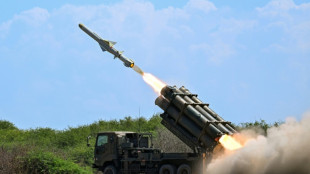
Japan fires missiles during drills, drawing China rebuke
-
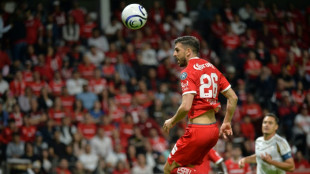 Toluca rout Son's LAFC to set up all-Mexican CONCACAF final
-
Vingegaard begins bid for Giro-Tour double with Pellizzari boosting home hopes

-
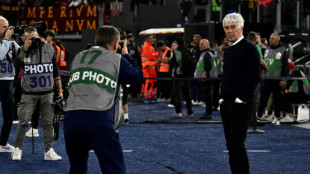 Roma's Champions League return back on as Milan, Juve wobble
-
Tokyo leads Asia stock surge on growing Mideast peace hopes
-
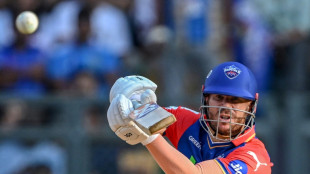 Australia cricket great Warner to 'accept' drink-drive charge: lawyer
-
Brunson steers Knicks to 2-0 lead with tight win over Sixers

-
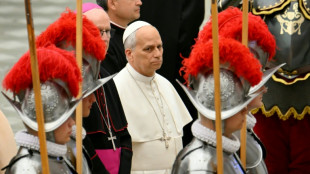 Rubio seeks to ease tensions with US pope
-
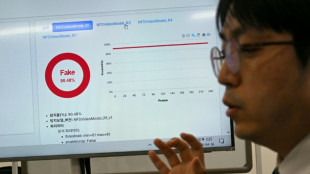
AI disinfo tests South Korean laws ahead of local elections
-
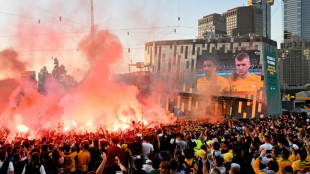 Australian state overturns Melbourne ban on World Cup watch party
-
Colombian ex-fisherman swaps trade for saving Caribbean coral

-
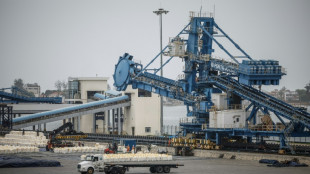 Lobito Corridor: Africa's mega-project facing delivery test
-
Africa's Lobito Corridor chief tells AFP business, not geopolitics, drives strategy

-
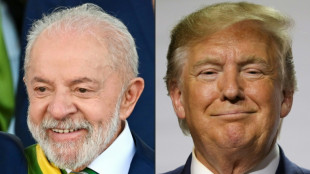 Trump to host Lula in test of fitful relationship
-
K-pop stars BTS draw 50,000-strong crowd in Mexico
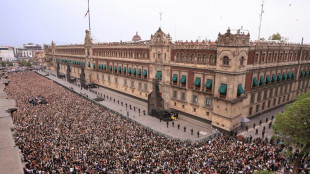
-
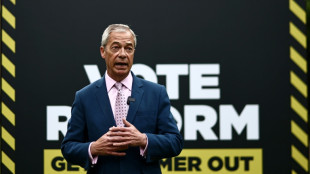 Britons set to punish Starmer's Labour in local polls
-
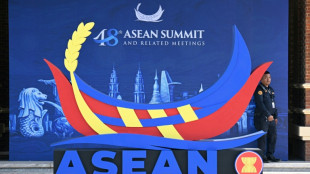
Wars in Middle East, backyard loom over ASEAN summit
-
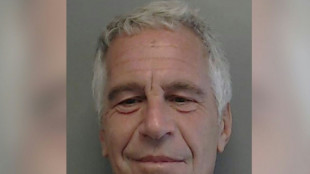 US court releases purported Epstein suicide note
-
Israeli court rejects flotilla activists' appeal challenging detention

Ukraine: Problem with the ceasefire?
As the war in Ukraine grinds towards its fourth year, a new proposal for a 30-day ceasefire has emerged from U.S. diplomatic circles, touted as a potential stepping stone to de-escalation. Russia's nefarious dictator and war criminal Vladimir Putin (72) has signalled cautious receptivity, provided the truce addresses the "root causes" of the conflict, while Ukrainian leaders remain wary. On the surface, a pause in hostilities offers a glimmer of relief for a war-weary population. Yet, beneath the diplomatic veneer, the proposed ceasefire is riddled with problems—strategic, political, and practical—that threaten to undermine its viability and, worse, exacerbate an already volatile situation.
A Temporary Fix with No Clear Endgame
The most glaring issue with the ceasefire is its brevity. At 30 days, it offers little more than a fleeting respite, unlikely to resolve the deep-seated issues fuelling the war. Russia’s demand to tackle "root causes"—a thinly veiled reference to its territorial ambitions and opposition to Ukraine’s NATO aspirations—clashes directly with Kyiv’s insistence on full sovereignty and the restoration of pre-2014 borders. Without a framework for meaningful negotiations, the ceasefire risks becoming a mere intermission, allowing both sides to regroup and rearm rather than pursue peace.
Historical precedent supports this scepticism. The Minsk agreements of 2014 and 2015, intended to halt fighting in eastern Ukraine, collapsed amid mutual accusations of bad faith. A short-term truce now, absent a robust enforcement mechanism or mutual trust, could follow a similar trajectory, leaving civilians to bear the brunt when hostilities inevitably resume.
The Strategic Dilemma for Ukraine
For Ukraine, the ceasefire poses a strategic conundrum. President Volodymyr Zelensky has spent years rallying domestic and international support around the mantra of "no concessions" to Russian aggression. Pausing the fight now, especially after the recent loss of territory in Russia’s Kursk region, could be perceived as a sign of weakness, emboldening Moscow and disheartening Kyiv’s allies. Ukrainian commanders, including Oleksandr Syrskii, have prioritised preserving troop strength, but a ceasefire might freeze their forces in disadvantageous positions, particularly along the eastern front, where Russia continues to press its advantage.
Moreover, the timing is suspect. The temporary suspension of U.S. intelligence support earlier this year left Ukraine reeling, and while that assistance has resumed, Kyiv remains on the back foot. A ceasefire now could lock in Russia’s recent gains, including reclaimed territory in Kursk, without guaranteeing reciprocal concessions. For a nation fighting for survival, this asymmetry is a bitter pill to swallow.
Russia’s Leverage and Bad Faith
On the Russian side, the ceasefire proposal raises questions of intent. Putin’s willingness to entertain a truce comes as his forces, bolstered by North Korean reinforcements, have regained momentum. The Kremlin may see the pause as an opportunity to consolidate control over occupied regions, reinforce supply lines, and prepare for a spring offensive—all while avoiding the political cost of appearing to reject peace outright. Moscow’s track record of violating ceasefires, from Donbas to Syria, fuels Ukrainian fears that any lull would be exploited rather than honoured.
The involvement of North Korean troops adds another layer of complexity. Their presence, a breach of international norms, has drawn muted criticism from Western powers, yet the ceasefire proposal does not explicitly address this escalation. Without mechanisms to monitor or reverse such foreign involvement, the truce risks legitimising Russia’s reliance on external support, further tilting the battlefield in its favour.
The Humanitarian Paradox
Proponents argue that a ceasefire would alleviate civilian suffering, particularly as winter tightens its grip on Ukraine’s battered infrastructure. Yet, this humanitarian promise is fraught with paradox. Russia has repeatedly targeted energy grids and civilian areas, a tactic likely to persist during any truce unless explicitly prohibited and enforced. A 30-day pause might allow limited aid delivery, but without guarantees of safety or a longer-term commitment, it could also delay the broader reconstruction Ukraine desperately needs.
For Ukrainian refugees and displaced persons—numbering in the millions—a temporary ceasefire offers no clarity on when, or if, they can return home. Meanwhile, Russian authorities in occupied territories have accelerated "Russification" efforts, including forced conscription and passportisation, which a short truce would do little to halt.
The Absence of Enforcement
Perhaps the most damning flaw is the lack of an enforcement mechanism. Who would monitor compliance? The United Nations, hamstrung by Russia’s Security Council veto, is ill-equipped to intervene. NATO, while supportive of Ukraine, has stopped short of direct involvement, and independent observers lack the authority to deter violations. Without a credible arbiter, the ceasefire hinges on goodwill—a commodity in short supply after years of bloodshed and broken promises.
A Fragile Hope Undermined by Reality
The proposed ceasefire reflects a well-intentioned but flawed attempt to pause a war that defies easy resolution. For Ukraine, it risks entrenching losses without securing gains; for Russia, it offers a chance to regroup under the guise of diplomacy. For both, it lacks the substance to bridge their irreconcilable aims. As the U.S. and its allies prepare to table the proposal, they must confront an uncomfortable truth: a truce that fails to address the conflict’s underlying drivers—or to enforce its terms—may do more harm than good, prolonging a war it seeks to pause.
In Kyiv, where resilience has become a way of life, the mood is one of cautious defiance. "We want peace," a senior Ukrainian official remarked this week, "but not at the cost of our future." Until the ceasefire’s proponents can answer that concern, its promise remains as fragile as the front lines it aims to still.
China, Trump, and the power of war?
Iran's Ayatollahs the next to Fall?
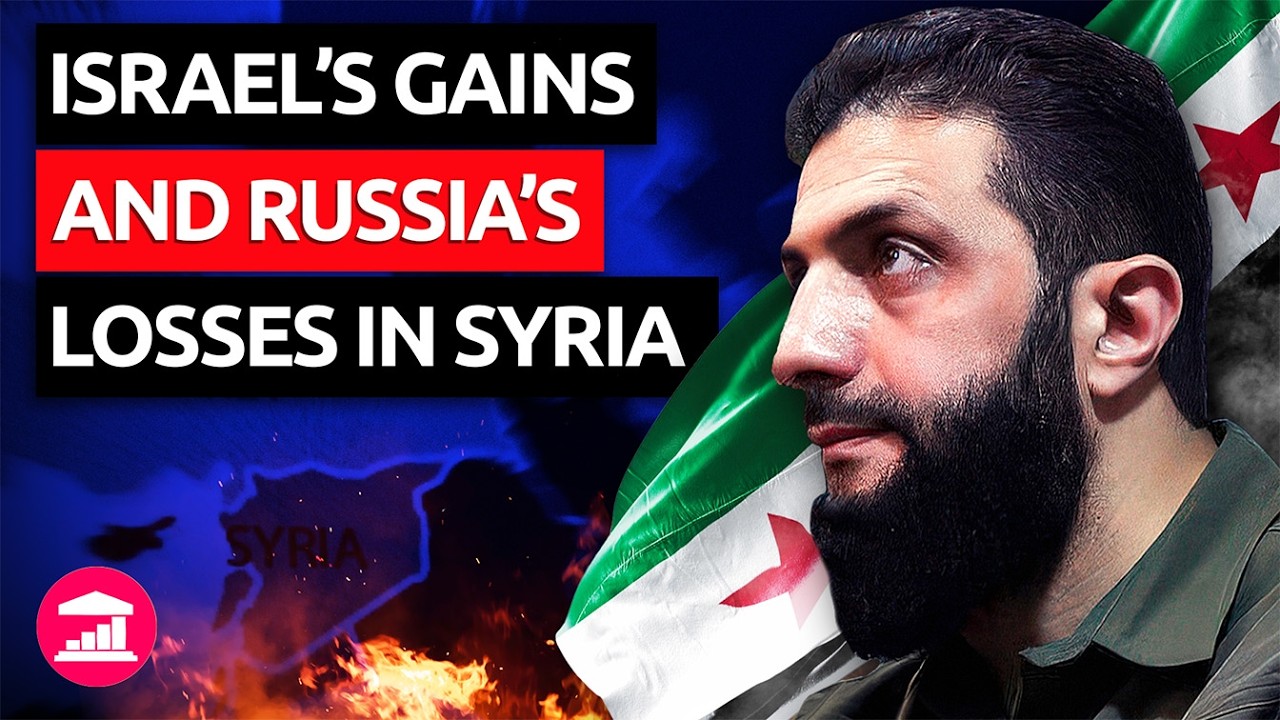
Who wins and who loses in Syria?
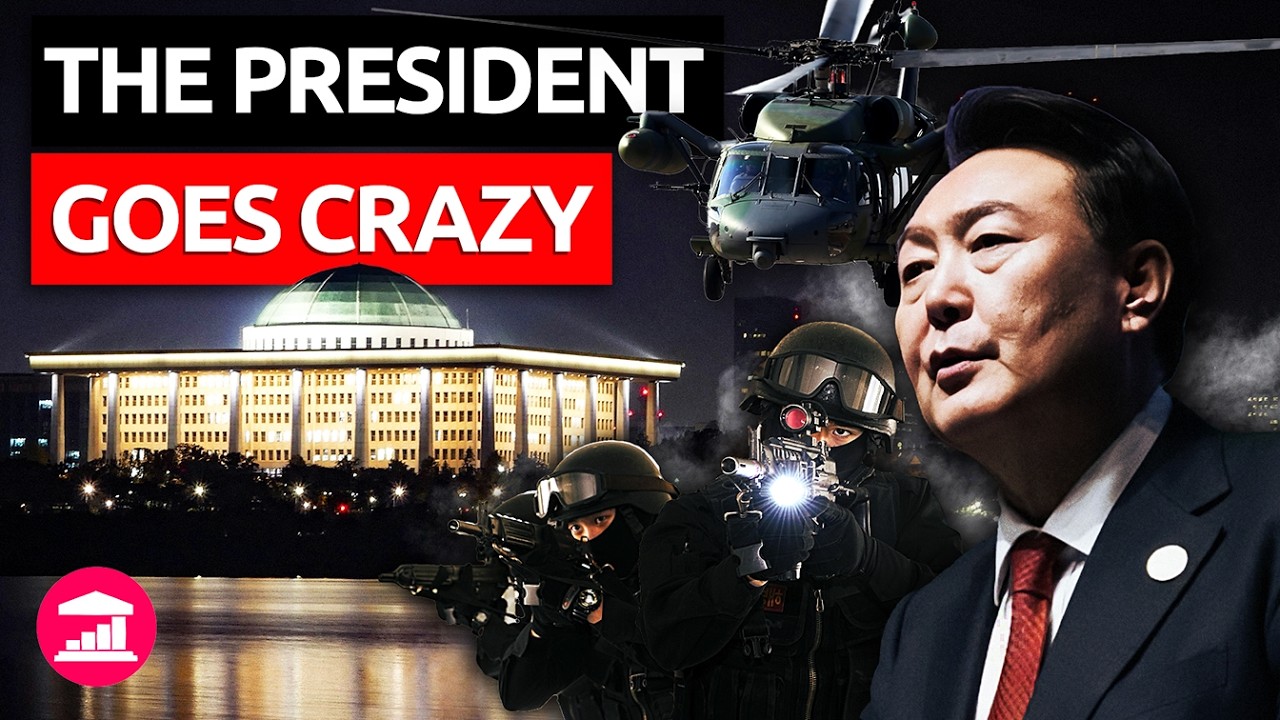
South Korea: Yoon Suk Yeol shocks Nation
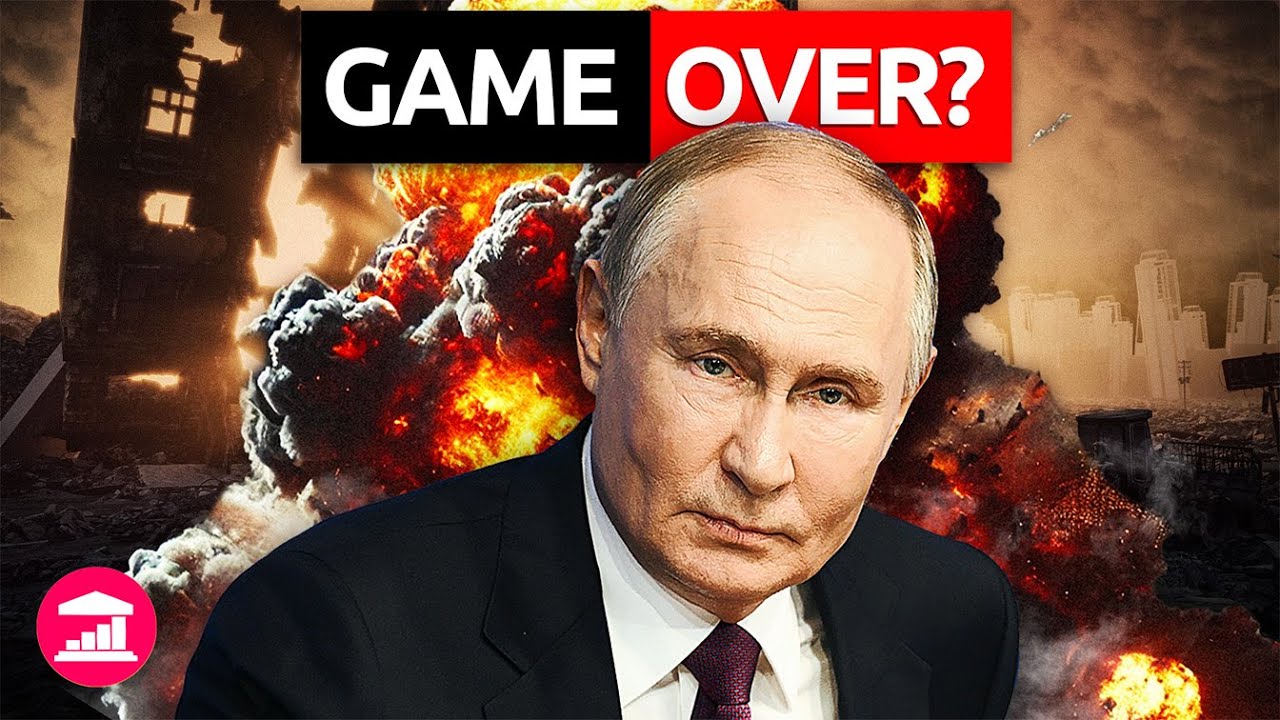
Dictator Putin threatens to destroy Kiev
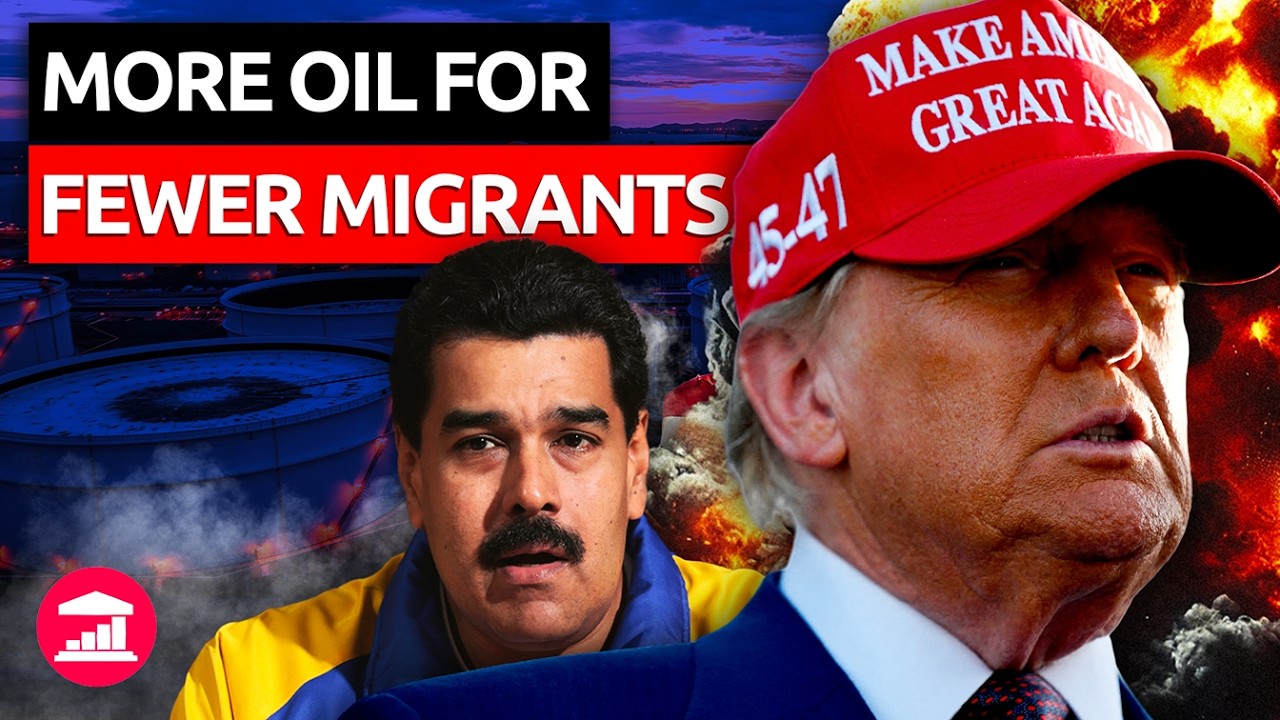
Will Trump's deportations be profitable?
Ishiba's Plan to Change Power in Asia
Ishiba's Plan to Change Power in Asia

EU: Energy independence achieved!

EU: Record number of births!
EU: Military spending is on the rise!