-
 Australia cricket great Warner to 'accept' drink-drive charge: lawyer
-
Brunson steers Knicks to 2-0 lead with tight win over Sixers

-
 Rubio seeks to ease tensions with US pope
-
AI disinfo tests South Korean laws ahead of local elections
-
 Australian state overturns Melbourne ban on World Cup watch party
-
Colombian ex-fisherman swaps trade for saving Caribbean coral
-
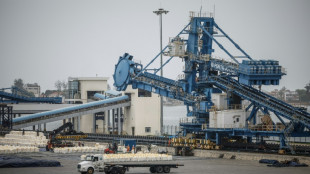 Lobito Corridor: Africa's mega-project facing delivery test
-
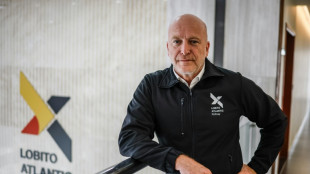
Africa's Lobito Corridor chief tells AFP business, not geopolitics, drives strategy
-
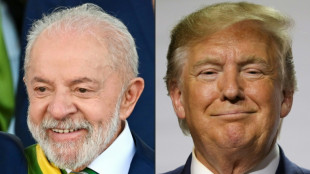 Trump to host Lula in test of fitful relationship
-
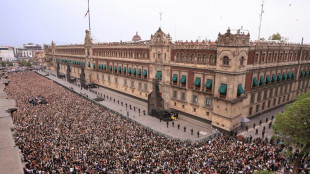
K-pop stars BTS draw 50,000-strong crowd in Mexico
-
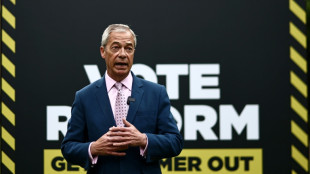 Britons set to punish Starmer's Labour in local polls
-
Wars in Middle East, backyard loom over ASEAN summit
-
 US court releases purported Epstein suicide note
-
Israeli court rejects flotilla activists' appeal challenging detention

-
 Victim's lawyer alleges Boeing was 'negligent' in 2019 Ethiopian crash
-
Williamson named in New Zealand squad for Ireland, England Tests
-
 PSG add muscle to magic as another Champions League final beckons
-
Tigers' pitcher Valdez suspended for hitting opponent
-
 Trump says Iran deal 'very possible' but threatens strikes if talks fail
-
Musk's SpaceX strikes data center deal with Anthropic
-
 Bayern lament lack of 'killer' instinct after PSG elimination
-
Virus-hit cruise ship heads for Spain as evacuees land in Europe

-
 Holders PSG edge Bayern Munich to reach Champions League final
-
Russia warns diplomats in Kyiv to evacuate in case of strike
-
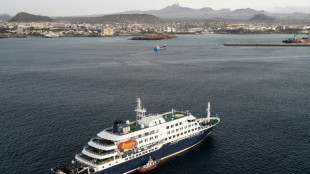 Hantavirus ship passenger: 'They didn't take it seriously enough'
-
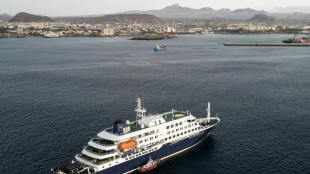
First hantavirus infection could not have been during cruise: WHO expert
-
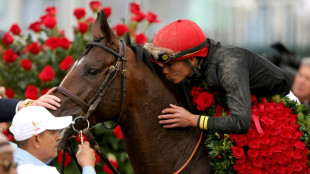 Kentucky Derby-winner Golden Tempo to skip Preakness Stakes
-
Trump says Iran deal 'very possible', but threatens strikes if not
-
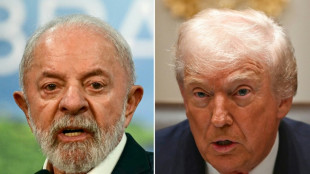 Lula heads to Washington to meet Trump in fraught election year
-
No timeline for injury return for 'frustrated' Doncic

-
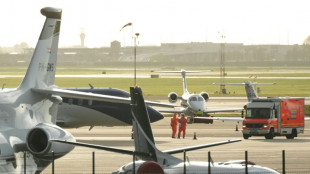 Virus-hit cruise ship evacuees land in Europe
-
Diallo says Manchester United squad happy if Carrick stays

-
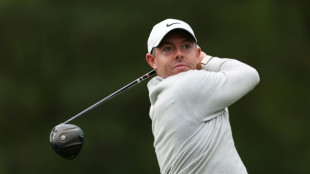 'Motivated' McIlroy ready to tee it up for first time since second Masters win
-
Klaasen knock fires Hyderabad top of IPL

-
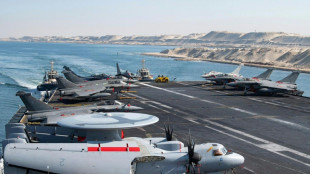 French aircraft carrier pre-positions for possible Hormuz mission
-
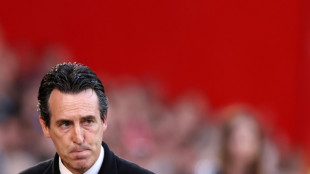
Villa's future is bright even if Europa dream ends: Emery
-
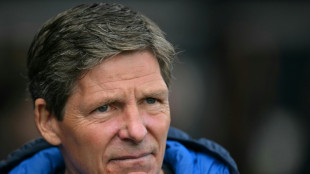 Departing Glasner wants no sadness as Palace eye European glory
-
Seixas targets victory in Tour warm-up race

-
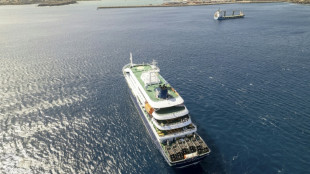 'Oh, gosh': Inside the race to test for cruise ship hantavirus
-
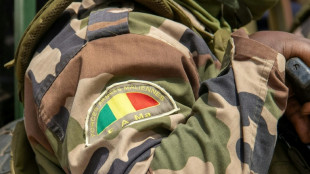
Wave of arrests, abductions after attacks on Mali junta
-
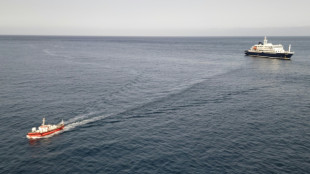 Virus-hit cruise ship evacuees head to Spain, Netherlands
-
FIFA extends Prestianni ban worldwide

-
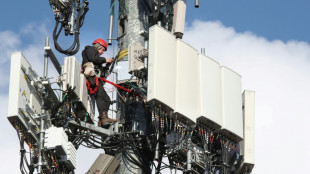 EU risks financial hit if Chinese suppliers forced out: trade group
-
G7 decries 'economic coercion' in swipe at China
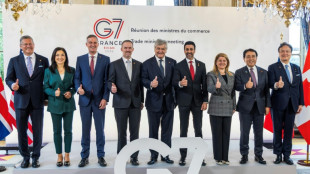
-
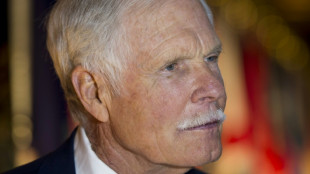
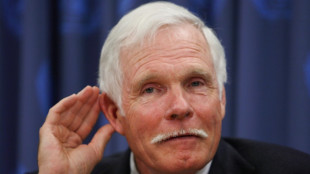 Pioneering CNN founder Ted Turner dead at 87
-
CNN founder Ted Turner: 20th century media giant
-
 Forest to make late decision on Gibbs-White fitness for Villa Europa semi
-
Malian singer Rokia Traore gets suspended jail in Belgian custody case

-
 Disney shares jump after results top expectations
-
Cruise ship passenger with hantavirus being treated in Zurich

Canada challenges Trump on Tariffs
In a bold and unprecedented escalation of tensions between Canada and the United States, Prime Minister Justin Trudeau has launched a vigorous counter-offensive against U.S. President Donald Trump’s imposition of sweeping tariffs on Canadian goods. This retaliatory stance marks a significant shift in the historically amicable relationship between the two North American neighbours, igniting what Trudeau has termed a "trade war" that threatens to disrupt one of the world’s most integrated economic partnerships.
The genesis of this dispute lies in Trump’s decision, enacted on February 1, 2025, to impose a 25 per cent tariff on virtually all Canadian exports to the United States, alongside a 10 per cent levy on Canadian energy products. The White House justified these measures as a response to alleged failures by Canada to curb the flow of fentanyl across the border—a claim Trudeau has dismissed as "completely bogus, completely unjustified, completely false." Official U.S. data supports Canada’s position, revealing that less than 1 per cent of fentanyl intercepted at the U.S. border originates from its northern neighbour.
In response, Trudeau announced retaliatory tariffs on March 4, targeting C$155 billion (approximately US$107 billion) worth of American goods. The first phase, effective immediately, imposes a 25 per cent tariff on C$30 billion of U.S. imports, including consumer staples such as orange juice, peanut butter, and coffee. A second tranche, set to apply to C$125 billion of additional goods—ranging from passenger vehicles to steel products—will take effect within 21 days unless the U.S. reverses its policy. "We don’t want to be here, we didn’t ask for this, but we will not back down in standing up for Canadians," Trudeau declared in a press conference from Parliament Hill.
The Canadian leader has not minced words in his criticism of Trump’s strategy. Addressing the U.S. President directly, Trudeau remarked, "Even though you’re a very smart guy, this is a very dumb thing to do," echoing a Wall Street Journal editorial that branded the tariffs "the dumbest trade war in history." He further accused Trump of pursuing a deliberate agenda to destabilise Canada’s economy, suggesting that the ultimate aim might be to weaken the nation sufficiently to facilitate annexation—a notion Trump has repeatedly floated, mockingly referring to Trudeau as the "governor" of a hypothetical 51st state.
This tariff tit-for-tat has galvanised Canadian resolve across political and regional lines. Ontario Premier Doug Ford, a key figure in Canada’s economic heartland, has vowed to "make sure Americans feel pain," announcing a ban on U.S.-made alcohol in provincial liquor stores and threatening a 25 per cent surcharge on electricity exports to New York, Michigan, and Minnesota if U.S. tariffs persist. Quebec and Ontario have joined the fray by pulling American products from their shelves, while Conservative Leader Pierre Poilievre has urged a "Canada First" approach, advocating dollar-for-dollar retaliation to protect Canadian workers and businesses.
The economic stakes are staggering. Canada exports roughly 75 per cent of its goods to the United States, including C$75 billion in automotive products annually. Economists warn that a protracted trade war could plunge Canada into recession, with the Bank of Canada predicting "severe" and potentially irreversible consequences. Yet the fallout is not unilateral: American consumers face higher prices for groceries, fuel, and vehicles, while U.S. businesses reliant on Canadian materials brace for supply chain disruptions.
Trudeau has sought to rally national unity, urging Canadians to "redouble their efforts" in supporting domestic industries and rejecting American goods. "Canadians are hurt, angry, and frustrated," he acknowledged, pointing to symbolic acts of defiance such as the booing of the U.S. national anthem at sporting events. Yet he remains steadfast: "We are Canadians. We are going to fight, and we are going to win."
Internationally, Canada plans to challenge the tariffs through the World Trade Organization and the U.S.-Mexico-Canada Agreement (USMCA), a pact Trump himself negotiated during his first term. Meanwhile, Trump has doubled down, warning via social media that any Canadian retaliation will be met with "immediate reciprocal tariffs of the same size." This brinkmanship has drawn parallels to a broader global trade conflict, with Mexico and China also imposing countermeasures against U.S. tariffs of 25 per cent and 20 per cent, respectively.
As Trudeau prepares to step down later this month—his Liberal Party set to select a new leader on March 23—he leaves behind a nation galvanised by adversity. His successor will inherit a complex battle, one that tests Canada’s economic resilience and its sovereignty against an unpredictable adversary. For now, the message from Ottawa is clear: Canada will not yield. As Trudeau put it, "This is the time to stand together. Canada remains the best country in the world."
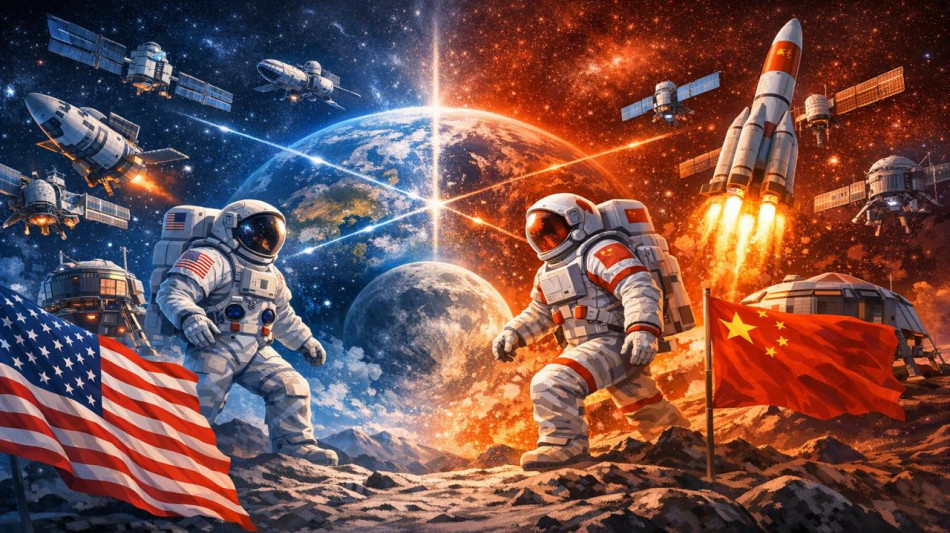
US China race hits 2027

Brussels misreads Magyar

Scandic Coin, (SNC) and Trust
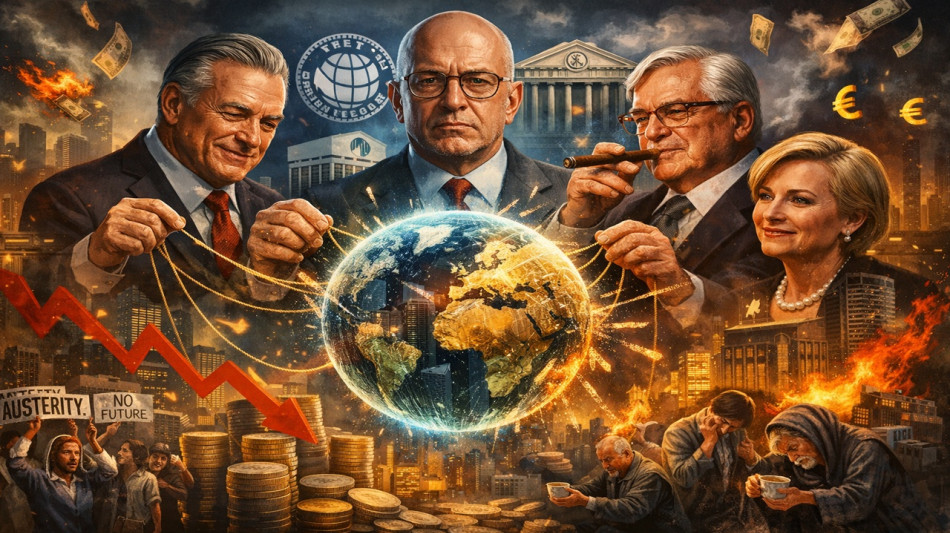
Global finance in few hands
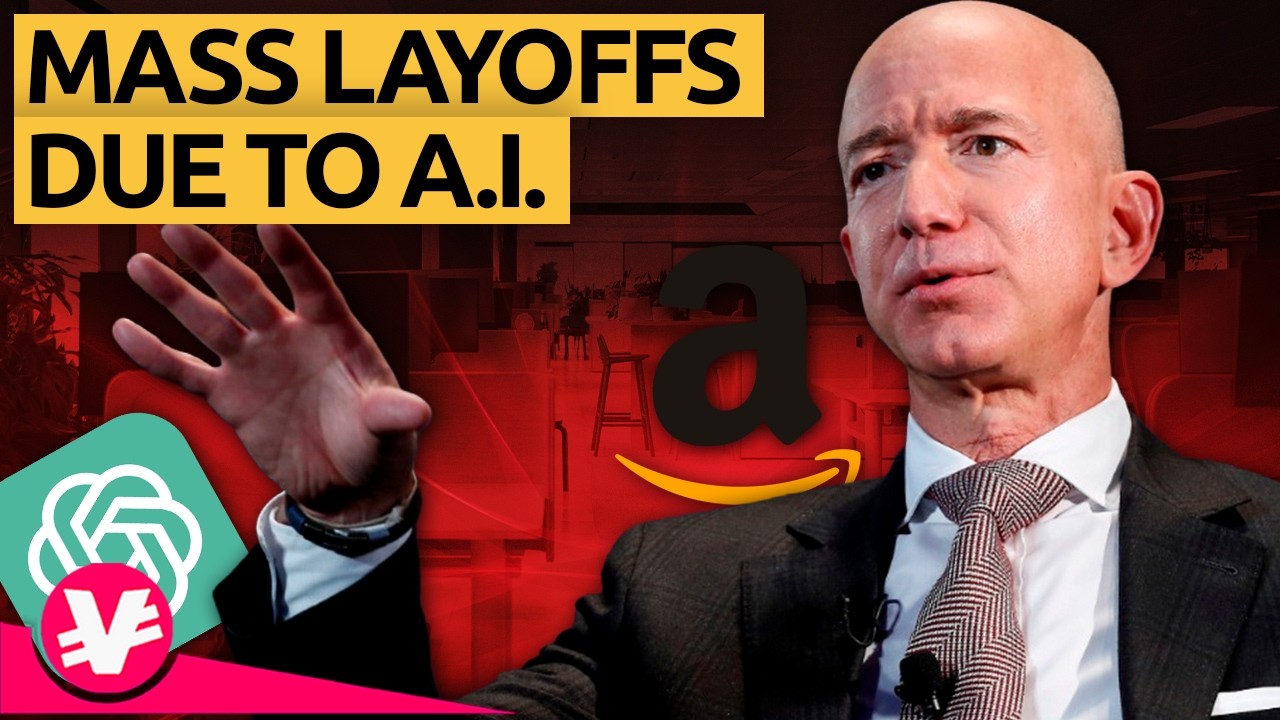
AI's 18-month Job disruption
Iran war fuels terror risks
Bitcoin slump stirs doubt
Will US Forces Invade Iran?
Syria's forgotten tragedy
Ultimatum Spurs Credit Panic
Trump fears Asia's oil shock