-
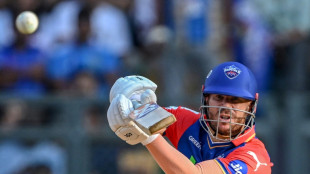 Australia cricket great Warner to 'accept' drink-drive charge: lawyer
-
Brunson steers Knicks to 2-0 lead with tight win over Sixers

-
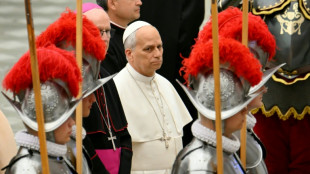 Rubio seeks to ease tensions with US pope
-
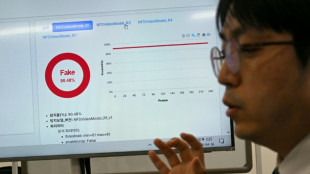
AI disinfo tests South Korean laws ahead of local elections
-
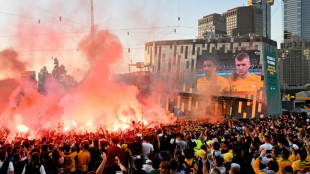 Australian state overturns Melbourne ban on World Cup watch party
-
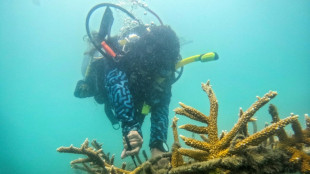
Colombian ex-fisherman swaps trade for saving Caribbean coral
-
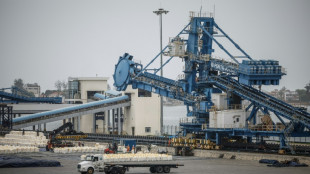 Lobito Corridor: Africa's mega-project facing delivery test
-
Africa's Lobito Corridor chief tells AFP business, not geopolitics, drives strategy
-
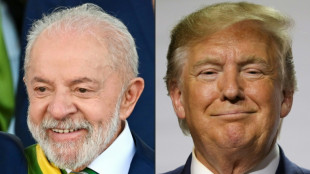 Trump to host Lula in test of fitful relationship
-
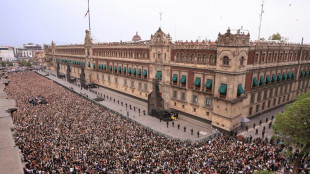
K-pop stars BTS draw 50,000-strong crowd in Mexico
-
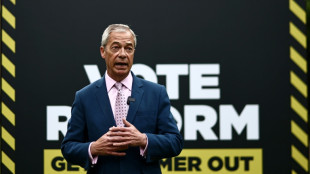 Britons set to punish Starmer's Labour in local polls
-
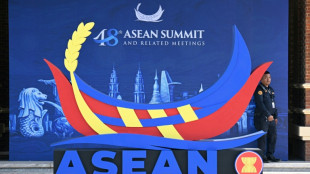
Wars in Middle East, backyard loom over ASEAN summit
-
 US court releases purported Epstein suicide note
-
Israeli court rejects flotilla activists' appeal challenging detention

-
 Victim's lawyer alleges Boeing was 'negligent' in 2019 Ethiopian crash
-
Williamson named in New Zealand squad for Ireland, England Tests
-
 PSG add muscle to magic as another Champions League final beckons
-
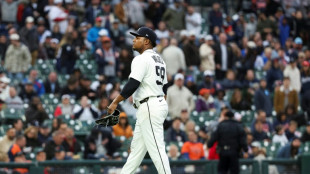
Tigers' pitcher Valdez suspended for hitting opponent
-
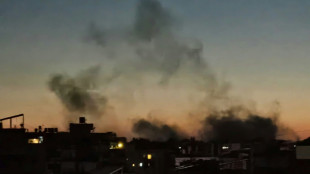 Trump says Iran deal 'very possible' but threatens strikes if talks fail
-
Musk's SpaceX strikes data center deal with Anthropic
-
 Bayern lament lack of 'killer' instinct after PSG elimination
-
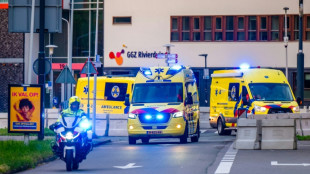
Virus-hit cruise ship heads for Spain as evacuees land in Europe
-
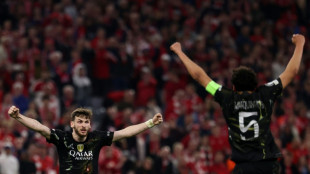 Holders PSG edge Bayern Munich to reach Champions League final
-
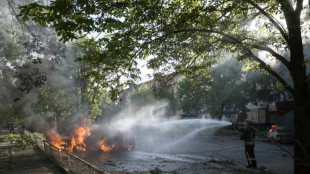
Russia warns diplomats in Kyiv to evacuate in case of strike
-
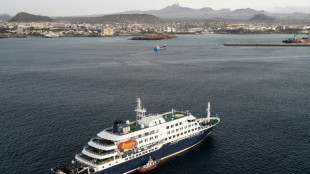 Hantavirus ship passenger: 'They didn't take it seriously enough'
-
First hantavirus infection could not have been during cruise: WHO expert
-
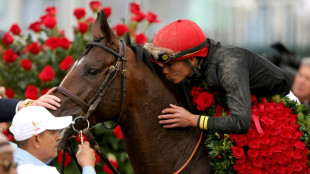 Kentucky Derby-winner Golden Tempo to skip Preakness Stakes
-
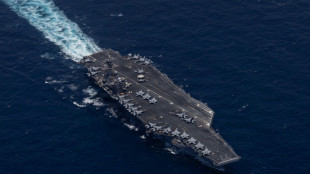
Trump says Iran deal 'very possible', but threatens strikes if not
-
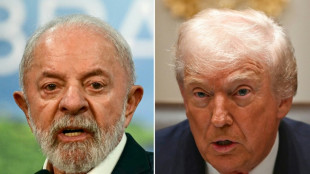 Lula heads to Washington to meet Trump in fraught election year
-
No timeline for injury return for 'frustrated' Doncic

-
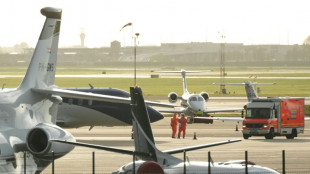 Virus-hit cruise ship evacuees land in Europe
-
Diallo says Manchester United squad happy if Carrick stays
-
 'Motivated' McIlroy ready to tee it up for first time since second Masters win
-
Klaasen knock fires Hyderabad top of IPL

-
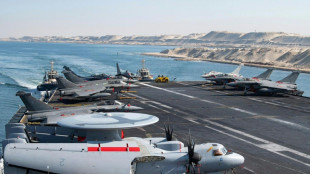 French aircraft carrier pre-positions for possible Hormuz mission
-
Villa's future is bright even if Europa dream ends: Emery
-
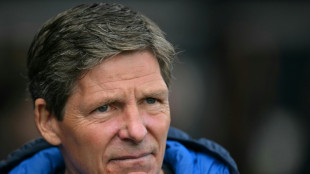 Departing Glasner wants no sadness as Palace eye European glory
-
Seixas targets victory in Tour warm-up race

-
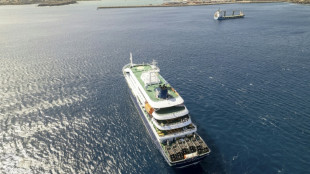 'Oh, gosh': Inside the race to test for cruise ship hantavirus
-
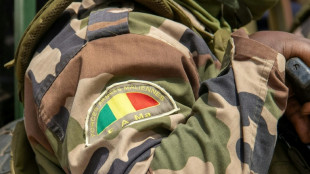
Wave of arrests, abductions after attacks on Mali junta
-
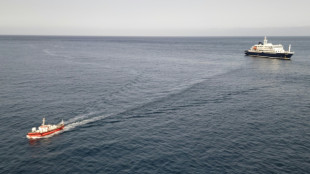 Virus-hit cruise ship evacuees head to Spain, Netherlands
-
FIFA extends Prestianni ban worldwide
-
 EU risks financial hit if Chinese suppliers forced out: trade group
-
G7 decries 'economic coercion' in swipe at China
-
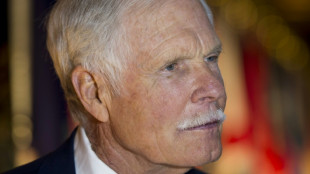
 Pioneering CNN founder Ted Turner dead at 87
-
CNN founder Ted Turner: 20th century media giant
-
 Forest to make late decision on Gibbs-White fitness for Villa Europa semi
-
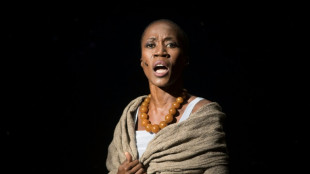
Malian singer Rokia Traore gets suspended jail in Belgian custody case
-
 Disney shares jump after results top expectations
-
Cruise ship passenger with hantavirus being treated in Zurich

EU Pledges €800 Billion for Defence to Deter Russia
The European Union has unveiled an ambitious plan to allocate €800 billion towards bolstering its defence capabilities, a move widely interpreted as a strategic response to escalating tensions with Russia. Announced by European Commission President Ursula von der Leyen, this initiative aims to transform the EU into a formidable "defence union," shifting its economic priorities towards what some analysts have dubbed a "war economy." The decision, detailed in a recent strategic white paper, comes amid growing concerns over Russia’s military assertiveness, particularly following its ongoing aggression in Ukraine and perceived threats to NATO’s eastern flank.
The €800 billion package, to be rolled out over the coming years, includes €150 billion in EU loans and significant exemptions from the bloc’s stringent debt rules, allowing member states to finance military enhancements without breaching fiscal limits. According to sources cited by the Deutsche Presse-Agentur (DPA), the funds will target seven key areas, including air defence, cyber capabilities, and military intelligence, aiming to close critical gaps in Europe’s defence infrastructure. "If Europe wants to avoid war, it must be prepared for war," the white paper states, echoing a sentiment of deterrence through strength.
Russia’s reaction has been swift and critical. Kremlin spokesperson Dmitry Peskov accused Europe of "aggressive militarism," a charge that carries irony given Russia’s own allocation of nearly 40% of its state budget to military spending in 2025. Russian President Vladimir Putin has overseen a dramatic shift to a war economy since the invasion of Ukraine in 2022, with the country reportedly producing three million artillery shells annually—outpacing the combined output of NATO’s 32 members. This disparity in production capacity has fuelled European fears that Russia could sustain prolonged conflicts, potentially eyeing targets beyond Ukraine, such as the Baltic states or Poland.
The EU’s move also reflects unease over its reliance on the United States, particularly following uncertainties surrounding American support under a potential Donald Trump presidency. While earlier drafts of the white paper explicitly warned of over-dependence on the US, these references were softened in the final version after interventions from von der Leyen’s cabinet, as reported by DPA. Nonetheless, the €800 billion commitment underscores a push for strategic autonomy, with investments channelled into European-made defence systems to reduce external vulnerabilities.
Critics within the EU, however, question the feasibility and implications of such a shift. Transforming a civilian economy into one geared for war requires significant market interventions, a prospect that has raised doubts about political willingness and economic sustainability. The precedent of the United States during World War II—where private industries were placed under strict government oversight—looms large, yet Europe’s fragmented political landscape may complicate such coordination. Furthermore, the redirection of resources comes at a time when the EU is already grappling with energy transitions and post-pandemic recovery, with the €672 billion European Recovery Fund serving as a recent benchmark for large-scale spending.
Public sentiment, particularly in Germany, reflects growing anxiety. A Shell Youth Study cited by rbb-online.de found that the threat of war is now the top concern among young Germans, with fears of conscription and displacement driving calls for preparedness. NATO’s ongoing "Steadfast Defender" exercises, involving 90,000 troops, and the upcoming "Nordic Response" manoeuvre underscore this urgency, simulating defensive operations against a Russian incursion.
While the €800 billion figure is a political statement of intent, its implementation remains uncertain. Analysts note that it may take months, if not years, for funds to translate into tangible military assets. For now, the EU hopes this bold financial pledge will serve as a deterrent, projecting strength to Moscow while navigating internal divisions and external dependencies. Whether it instils fear in Russia or merely galvanises Europe’s resolve, the stakes for the continent’s security have rarely been higher.
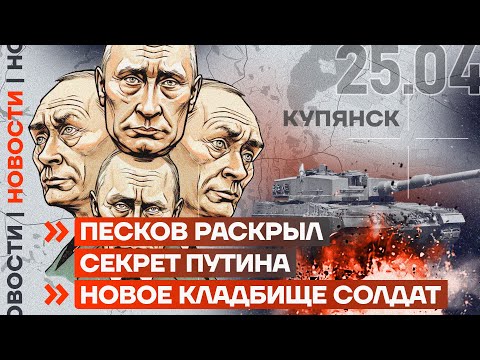
Россия: Тайна диктатора Путина
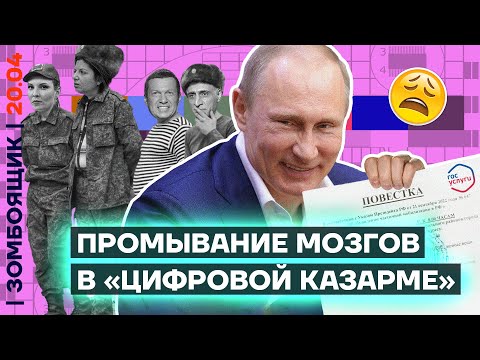
Россия: Путин - свинья мира или радости пропаганды убийств
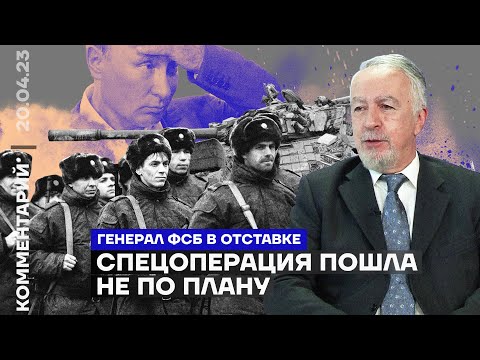
Россия: Преступная "спецоперация" на Украине идет не по плану
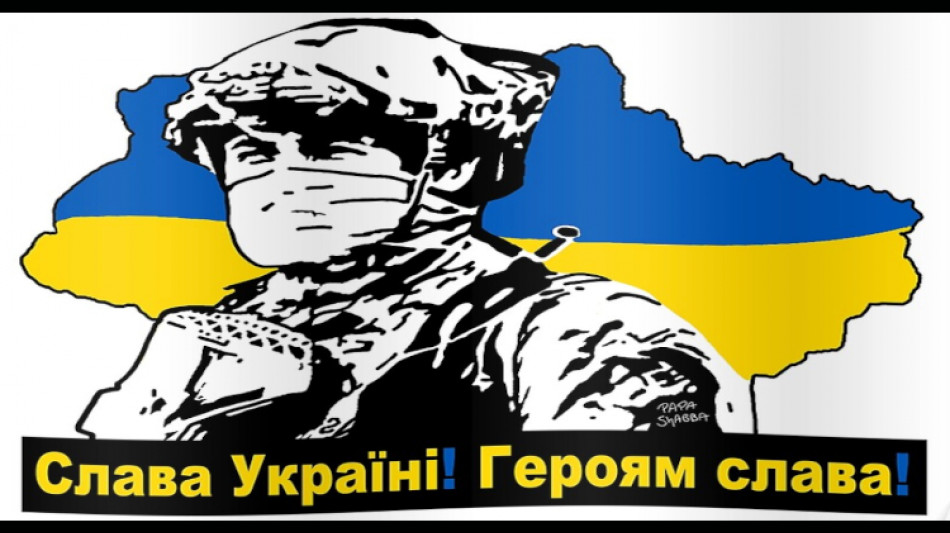
Ukrainian army destroys Russian terror scum!
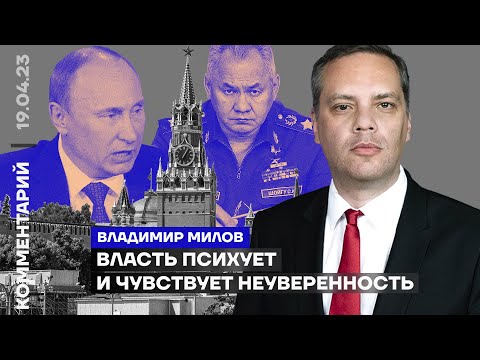
Россия: Власть психует и чувствует неуверенность
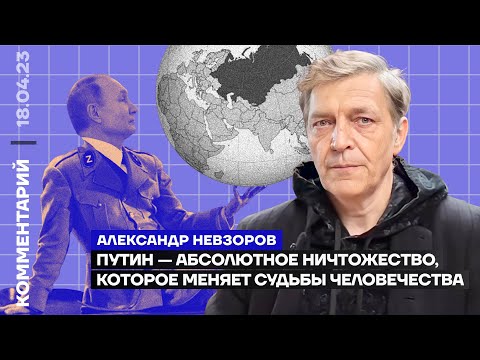
Военный преступник России Путин не изменит судьбу человечества!
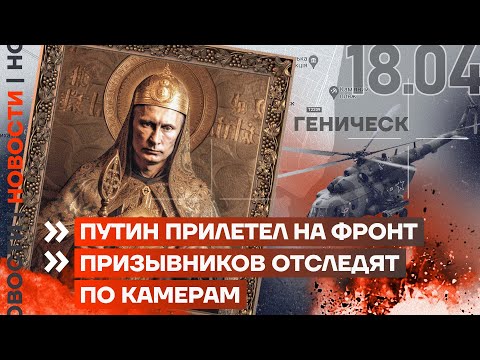
Россия: Военный преступник Владимир Путин на фронте войны
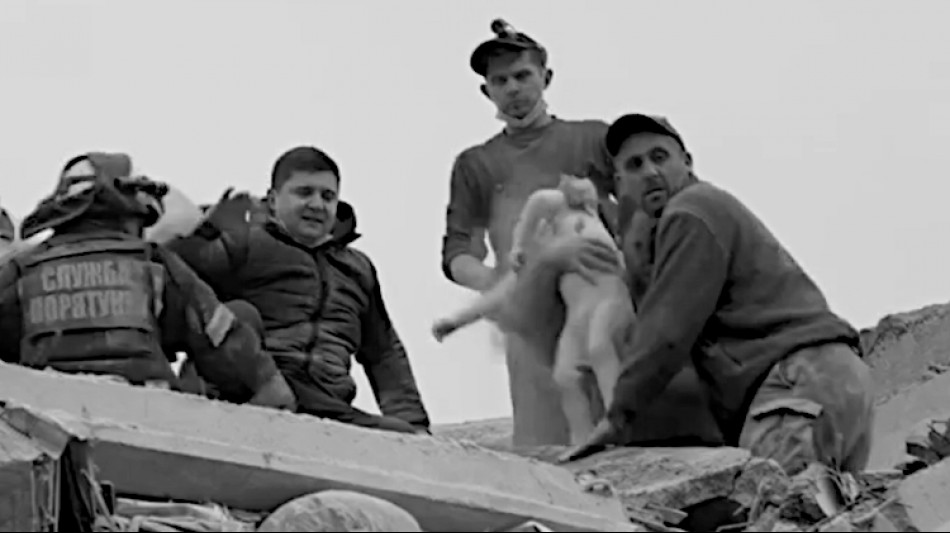
Russian Bastards murder defenceless children in Ukraine
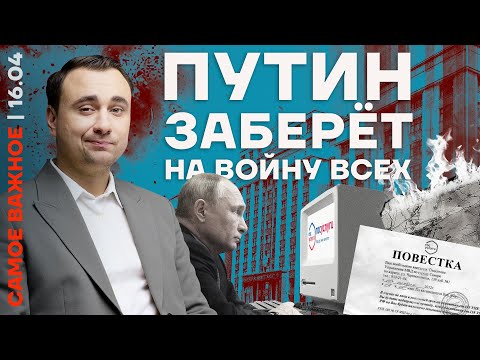
Россия: Военные преступники Путин заберёт на войну всех
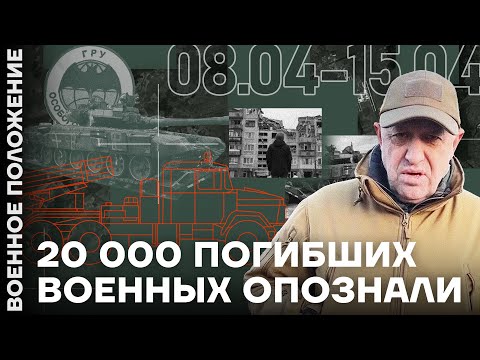
Тысячи погибших солдат российского террора опознаны! Свинья Пригожин теперь хочет мира?
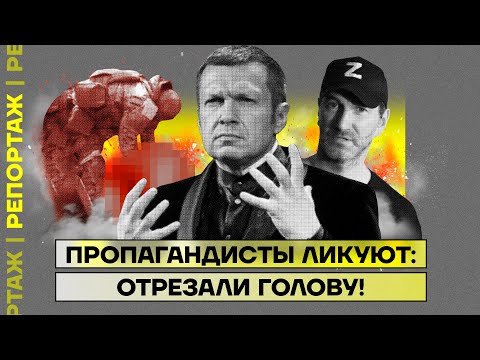
Россия: Пропагандисты ликуют: отрезали голову!