-
 Australia cricket great Warner to 'accept' drink-drive charge: lawyer
-
Brunson steers Knicks to 2-0 lead with tight win over Sixers

-
 Rubio seeks to ease tensions with US pope
-
AI disinfo tests South Korean laws ahead of local elections

-
 Australian state overturns Melbourne ban on World Cup watch party
-
Colombian ex-fisherman swaps trade for saving Caribbean coral

-
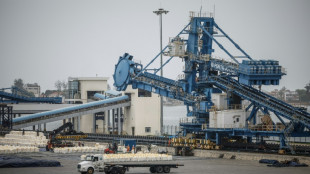 Lobito Corridor: Africa's mega-project facing delivery test
-
Africa's Lobito Corridor chief tells AFP business, not geopolitics, drives strategy

-
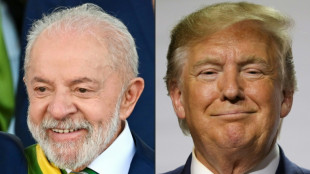 Trump to host Lula in test of fitful relationship
-
K-pop stars BTS draw 50,000-strong crowd in Mexico

-
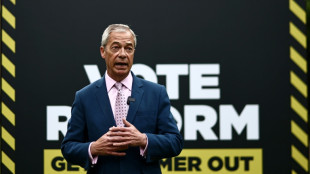 Britons set to punish Starmer's Labour in local polls
-
Wars in Middle East, backyard loom over ASEAN summit

-
 US court releases purported Epstein suicide note
-
Israeli court rejects flotilla activists' appeal challenging detention

-
 Victim's lawyer alleges Boeing was 'negligent' in 2019 Ethiopian crash
-
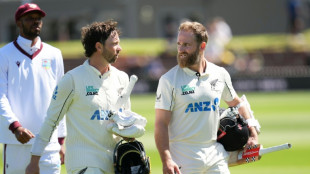
Williamson named in New Zealand squad for Ireland, England Tests
-
 PSG add muscle to magic as another Champions League final beckons
-
Tigers' pitcher Valdez suspended for hitting opponent

-
 Trump says Iran deal 'very possible' but threatens strikes if talks fail
-
Musk's SpaceX strikes data center deal with Anthropic
-
 Bayern lament lack of 'killer' instinct after PSG elimination
-
Virus-hit cruise ship heads for Spain as evacuees land in Europe

-
 Holders PSG edge Bayern Munich to reach Champions League final
-
Russia warns diplomats in Kyiv to evacuate in case of strike

-
 Hantavirus ship passenger: 'They didn't take it seriously enough'
-
First hantavirus infection could not have been during cruise: WHO expert

-
 Kentucky Derby-winner Golden Tempo to skip Preakness Stakes
-
Trump says Iran deal 'very possible', but threatens strikes if not

-
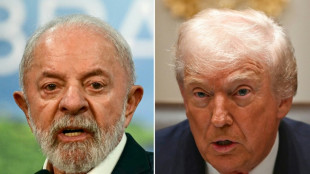 Lula heads to Washington to meet Trump in fraught election year
-
No timeline for injury return for 'frustrated' Doncic

-
 Virus-hit cruise ship evacuees land in Europe
-
Diallo says Manchester United squad happy if Carrick stays

-
 'Motivated' McIlroy ready to tee it up for first time since second Masters win
-
Klaasen knock fires Hyderabad top of IPL

-
 French aircraft carrier pre-positions for possible Hormuz mission
-
Villa's future is bright even if Europa dream ends: Emery
-
 Departing Glasner wants no sadness as Palace eye European glory
-
Seixas targets victory in Tour warm-up race

-
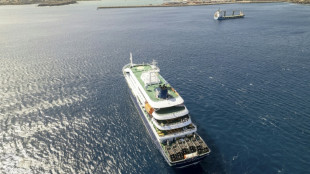 'Oh, gosh': Inside the race to test for cruise ship hantavirus
-
Wave of arrests, abductions after attacks on Mali junta

-
 Virus-hit cruise ship evacuees head to Spain, Netherlands
-
FIFA extends Prestianni ban worldwide

-
 EU risks financial hit if Chinese suppliers forced out: trade group
-
G7 decries 'economic coercion' in swipe at China

-
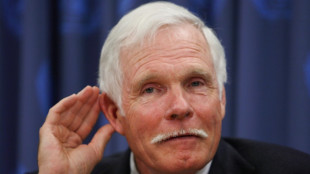 Pioneering CNN founder Ted Turner dead at 87
-
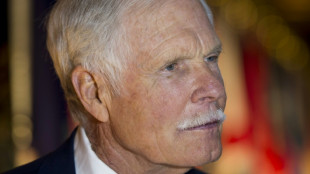
CNN founder Ted Turner: 20th century media giant
-
 Forest to make late decision on Gibbs-White fitness for Villa Europa semi
-
Malian singer Rokia Traore gets suspended jail in Belgian custody case

-
 Disney shares jump after results top expectations
-
Cruise ship passenger with hantavirus being treated in Zurich

Finance’s Role in Economic Ruin
The finance industry, often hailed as the backbone of modern economies, has a darker side that increasingly threatens global stability. Since the 2008 financial crisis, triggered by reckless speculation in mortgage-backed securities, the sector’s unchecked growth has sown seeds of destruction. In the United States alone, the financial sector’s share of GDP rose from 2.8% in 1950 to 8.4% by 2020, yet it produced no tangible goods, instead profiting from debt and risk. Critics argue this shift diverts capital from productive industries like manufacturing—down from 27% to 11% of US GDP over the same period to speculative bubbles.
The 2023 collapse of Silicon Valley Bank, fuelled by over-leveraged bets on tech stocks, cost $20 billion in bailouts and sparked a domino effect across European markets. In the UK, the 2022 mini-budget crisis, exacerbated by hedge fund short-selling of gilts, pushed borrowing costs to record highs. Economist Ann Pettifor warns, “Finance thrives on instability it creates”. With global debt at $305 trillion—three times world GDP—experts fear the industry’s pursuit of profit through complex derivatives and high-frequency trading could precipitate another crash. Is finance an engine of growth or a wrecking ball?

Poland trusts only hard Power

Cuba's hunger Crisis deepens
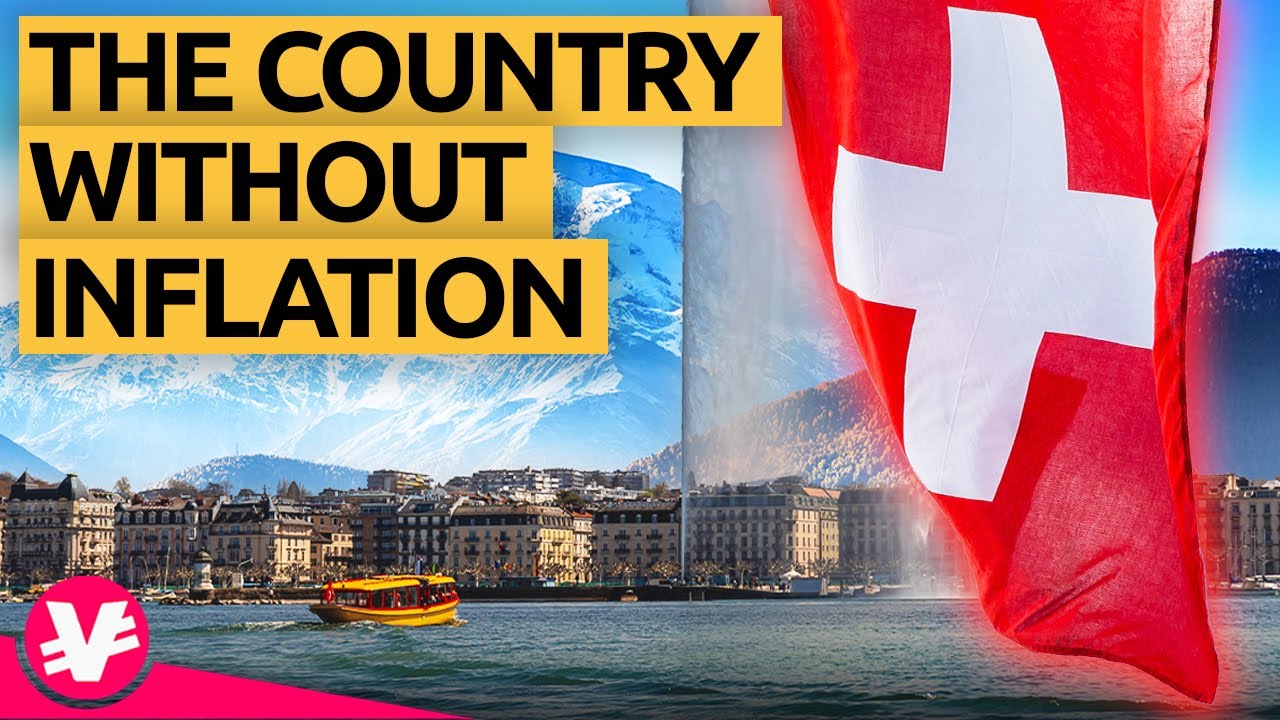
How Swiss Stocks tamed Prices

Russia's Drone ploy in Poland

Why Nepal is burning

Milei suffers crushing Defeat

After Kirk: Speech at Risk

Tel Aviv’s Wartime rally

Tokyo’s Housing playbook

Venezuela braces after Strike

Can the FANB shield Maduro?