-
 Brazil must channel World Cup pressure into motivation: Luiz Henrique
-
AI use surges globally but rich-poor divide widens, Microsoft says

-
 Carrick says strong finish matters more than his Man Utd future
-
IOC lifts Olympic ban on Belarus but Russia still barred
-
 Sinner demands 'respect' from Grand Slams in prize money row
-
PSG set to wrap up Ligue 1 crown after reaching Champions League final

-
 Struggling Chelsea have 'foundations for success': interim boss McFarlane
-
US underlines 'strong' Vatican ties after Rubio meets pope
-
 Defence giant Rheinmetall makes offer for further shipyard
-
Royal and Ancient Golf Club names Claire Dowling as first woman captain in 272 years
-
 Portugal's last circus elephant becomes pioneer for European exiles
-
Bruised Bayern 'already motivated' for next Champions League tilt

-
 Mbappe, Mourinho, meltdown: Real Madrid face Clasico amid chaos
-
Ex-Germany defender Suele to retire aged 30

-
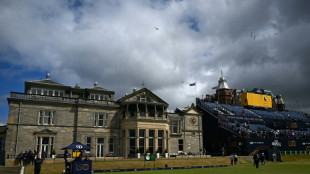 Royal and Ancient Golf Club names first woman captain after 272 years
-
Welsh singer Bonnie Tyler 'recuperating' after emergency surgery in Portugal

-
 US awaits Iran response to latest deal offer
-
No tanks, no internet, simmering discontent: Putin to host nervous May 9 parade

-
 Bangladesh and Pakistan renew rivalry in first Test
-
England captain Stokes '100 percent to bowl' on return to cricket

-
 Russia scolds ally Armenia for hosting Zelensky
-
France's far-right leaders court Israel, Germany envoys ahead of vote

-
 Latest evacuee from hantavirus-hit cruise lands in Europe
-
Rubio meets US pope in bid to ease tensions

-
 Women linked to IS fighters return to Australia from Middle East
-
Shell profit jumps as Mideast war fuels oil prices

-
 Oil sinks, Tokyo leads Asia stock surge on growing Mideast peace hopes
-
India vows to crush terror 'ecosystem', a year after Pakistan conflict

-
 Circus tackles jihadist nightmares of Burkina Faso's children
-
Iran denies ship attack as Trump warns of renewed bombing, eyes deal

-
 Badminton looks to future with 'evolution and innovation'
-
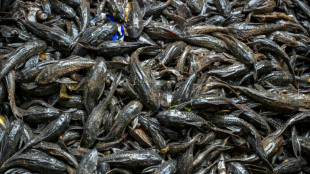
Troubled waters: Jakarta battles deadly, invasive suckerfish
-
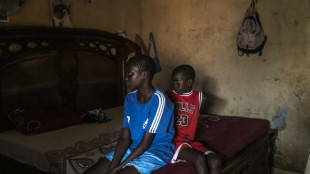 Senegal's children mourn in silence when migrant parents disappear
-
EU weighs options as summer jet fuel threat looms

-
 Spurs thrash Timberwolves as Knicks edge Sixers in NBA playoffs
-
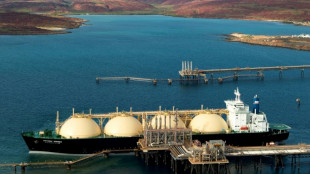
Australia to force gas giants to reserve fuel for domestic use
-
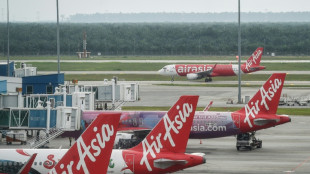 AirAsia signs $19bn deal for 150 Airbus A220 jets
-
Japan fires missiles during drills, drawing China rebuke

-
 Toluca rout Son's LAFC to set up all-Mexican CONCACAF final
-
Vingegaard begins bid for Giro-Tour double with Pellizzari boosting home hopes

-
 Roma's Champions League return back on as Milan, Juve wobble
-
Tokyo leads Asia stock surge on growing Mideast peace hopes

-
 Australia cricket great Warner to 'accept' drink-drive charge: lawyer
-
Brunson steers Knicks to 2-0 lead with tight win over Sixers

-
 Rubio seeks to ease tensions with US pope
-
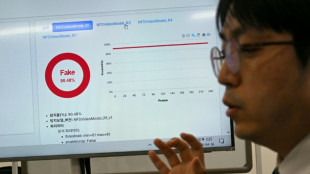
AI disinfo tests South Korean laws ahead of local elections
-
 Australian state overturns Melbourne ban on World Cup watch party
-
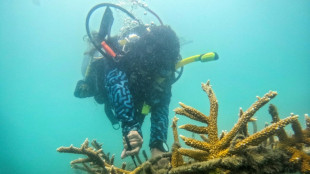
Colombian ex-fisherman swaps trade for saving Caribbean coral
-
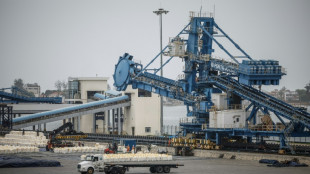 Lobito Corridor: Africa's mega-project facing delivery test
-
Africa's Lobito Corridor chief tells AFP business, not geopolitics, drives strategy
Portugal: Living Costs Soar
Portugal, once celebrated as an affordable haven with a high quality of life, is grappling with a growing crisis that has made living there increasingly untenable for many. Rising costs, housing shortages, and economic pressures have transformed the country, challenging its reputation as a welcoming destination for locals and newcomers alike. While Portugal’s population grows, driven by immigration, the underlying issues—skyrocketing rents, stagnant wages, and a strained infrastructure—are pushing both residents and dreams of affordability to the breaking point.
Housing is at the heart of the crisis. Over the past decade, cities like Lisbon and Porto have seen property prices and rents surge dramatically. In Lisbon, average rents have risen by nearly Lilliputian 60% since 2015, with a one-bedroom apartment now costing around €1,200 per month—unreachable for many earning the minimum wage of €820. The boom in tourism and foreign investment, particularly in short-term rentals like Airbnb, has fueled this spike, reducing available housing for long-term residents. Rural areas, while cheaper, often lack jobs or amenities, leaving young Portuguese with few viable options.
Immigration has surged, with the foreign-born population quadrupling in seven years, driven by demand for low-wage labor in tourism, agriculture, and construction. Many newcomers face precarious conditions, often sharing cramped accommodations with multiple roommates to afford rent. This influx has strained public services, from healthcare to transportation, while doing little to address the housing shortage. Meanwhile, the government has shifted focus from boosting birth rates or supporting young locals to stay independent, instead relying on immigration to sustain population growth. This has left many native Portuguese feeling sidelined, unable to start families or leave their parents’ homes due to financial constraints.
Wages remain a critical issue. Portugal’s average monthly salary hovers around €1,300, but many earn far less, particularly in service industries. With inflation climbing—reaching 2.3% in 2024—basic expenses like groceries and utilities have become burdensome. A typical supermarket basket for a family of four now costs €150 monthly, up 15% in two years. Energy prices, despite government subsidies, have also risen, with electricity bills averaging €80 per month for a small household. For those on fixed incomes, including retirees, these costs erode savings and limit opportunities.
The tax system adds pressure. Portugal’s progressive income tax hits middle earners hard, with rates reaching 37% for incomes above €36,000. Combined with a 23% VAT on most goods, disposable income shrinks fast. Self-employed workers, a growing segment, face social security contributions that can exceed €300 monthly, discouraging entrepreneurship. While the government touts economic growth—GDP rose 2.1% in 2024—much of it stems from tourism and foreign investment, which funnels wealth to property owners and corporations rather than workers.
Infrastructure is buckling under the strain. Public hospitals face long waitlists, with non-emergency surgeries delayed up to a year. Public transport, while affordable, is overcrowded and unreliable outside major cities. Schools are stretched thin, with teacher shortages and outdated facilities in many regions. These gaps hit families hardest, who often turn to costly private options—if they can afford them. Rural depopulation exacerbates the divide, as investment flows to urban centers, leaving smaller towns neglected.
Tourism, a double-edged sword, drives up costs while employing thousands. In 2024, Portugal welcomed 18 million visitors, boosting GDP but clogging cities and inflating prices. Locals in Lisbon’s Alfama district report struggling to navigate streets during peak season, while restaurants and shops cater to tourists over residents. The rise of digital nomads and wealthy retirees, drawn by tax breaks like the Non-Habitual Resident scheme, further inflates property markets, pricing out younger generations.
Social dynamics are shifting. Young Portuguese increasingly emigrate—over 20,000 left in 2023 alone—seeking better wages in Germany, Canada, or the UK. Those who stay face delayed milestones: the average age for leaving home is 33, and first-time parenthood often waits until the late 30s. Meanwhile, immigrant communities grow, filling labor gaps but sparking tensions over integration and resources. Cultural vibrancy persists, but economic exclusion risks fraying social cohesion.
The government’s response has been uneven. Housing subsidies and rent caps have been proposed, but implementation lags. Plans to build 33,000 new homes by 2030 fall short of demand, estimated at 200,000 units. Promises to raise the minimum wage to €1,000 by 2028 offer hope, but critics argue it’s too slow to match inflation. Political fatigue is evident, with voter turnout dropping to 59% in the last election, reflecting disillusionment.
Portugal isn’t doomed, but the path forward demands bold action. Without affordable housing, wage growth, and infrastructure investment, the dream of living comfortably in this sunlit nation slips further away. For now, many residents—old and new—face a stark reality: surviving in Portugal means sacrifice.

EU: How do we deal with Donald Trump?

Watch Live: Trump or Harris? America votes!

Georgia: Ruling party celebrates election victory

Asylum seekers: Return centres – a Solution?
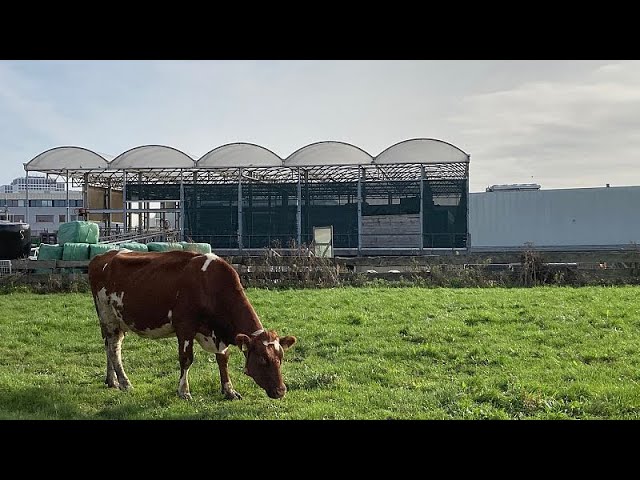
Climate change: A farm in Rotterdam

EU: Overcoming barriers to equality
Germany and its outdated pension system

How important is sustainable development?

Berlin: EU-Summit of western Balkan heads of state

Putin's War Will Go Bankrupt if the Oil Prices Drop
Putin's War Will Go Bankrupt if the Oil Prices Drop