-
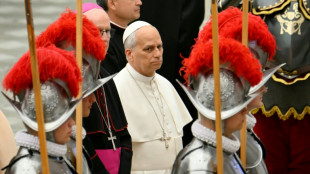 Rubio meets US pope in bid to ease tensions
-
Women linked to IS fighters return to Australia from Middle East

-
 Shell profit jumps as Mideast war fuels oil prices
-
Oil sinks, Tokyo leads Asia stock surge on growing Mideast peace hopes

-
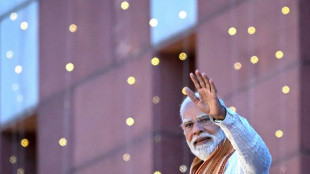 India vows to crush terror 'ecosystem', a year after Pakistan conflict
-
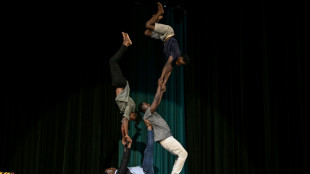
Circus tackles jihadist nightmares of Burkina Faso's children
-
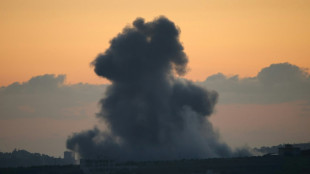 Iran denies ship attack as Trump warns of renewed bombing, eyes deal
-
Badminton looks to future with 'evolution and innovation'

-
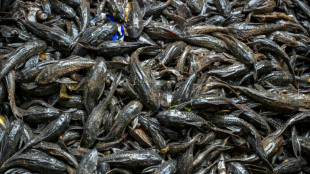 Troubled waters: Jakarta battles deadly, invasive suckerfish
-
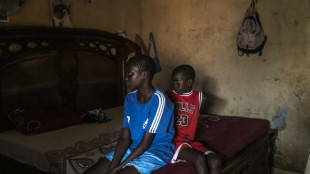
Senegal's children mourn in silence when migrant parents disappear
-
 EU weighs options as summer jet fuel threat looms
-
Spurs thrash Timberwolves as Knicks edge Sixers in NBA playoffs

-
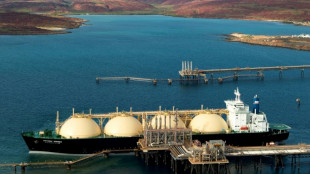 Australia to force gas giants to reserve fuel for domestic use
-
AirAsia signs $19bn deal for 150 Airbus A220 jets
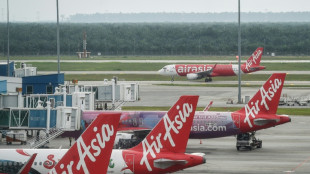
-
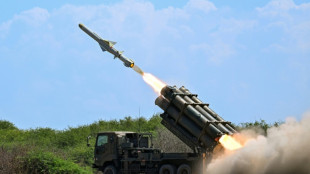 Japan fires missiles during drills, drawing China rebuke
-
Toluca rout Son's LAFC to set up all-Mexican CONCACAF final
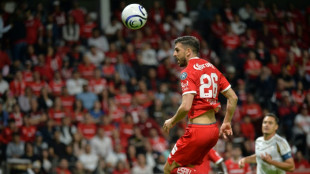
-
 Vingegaard begins bid for Giro-Tour double with Pellizzari boosting home hopes
-
Roma's Champions League return back on as Milan, Juve wobble
-
 Tokyo leads Asia stock surge on growing Mideast peace hopes
-
Australia cricket great Warner to 'accept' drink-drive charge: lawyer

-
 Brunson steers Knicks to 2-0 lead with tight win over Sixers
-
Rubio seeks to ease tensions with US pope
-
 AI disinfo tests South Korean laws ahead of local elections
-
Australian state overturns Melbourne ban on World Cup watch party

-
 Colombian ex-fisherman swaps trade for saving Caribbean coral
-
Lobito Corridor: Africa's mega-project facing delivery test
-
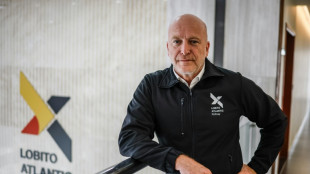 Africa's Lobito Corridor chief tells AFP business, not geopolitics, drives strategy
-
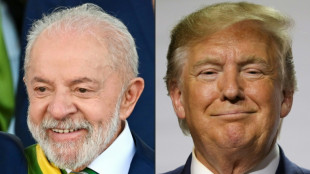
Trump to host Lula in test of fitful relationship
-
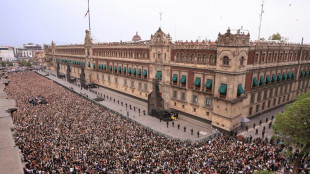 K-pop stars BTS draw 50,000-strong crowd in Mexico
-
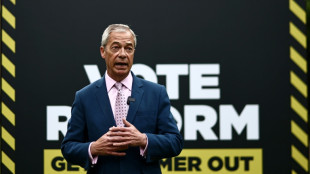
Britons set to punish Starmer's Labour in local polls
-
 Wars in Middle East, backyard loom over ASEAN summit
-
US court releases purported Epstein suicide note

-
 Israeli court rejects flotilla activists' appeal challenging detention
-
Victim's lawyer alleges Boeing was 'negligent' in 2019 Ethiopian crash
-
 Williamson named in New Zealand squad for Ireland, England Tests
-
PSG add muscle to magic as another Champions League final beckons

-
 Tigers' pitcher Valdez suspended for hitting opponent
-
Trump says Iran deal 'very possible' but threatens strikes if talks fail

-
 Musk's SpaceX strikes data center deal with Anthropic
-
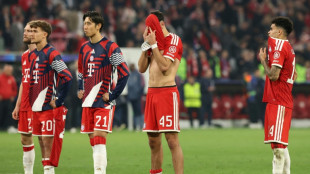
Bayern lament lack of 'killer' instinct after PSG elimination
-
 Virus-hit cruise ship heads for Spain as evacuees land in Europe
-
Holders PSG edge Bayern Munich to reach Champions League final

-
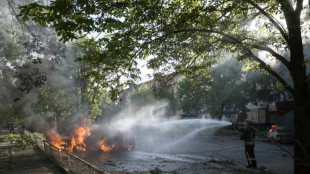 Russia warns diplomats in Kyiv to evacuate in case of strike
-
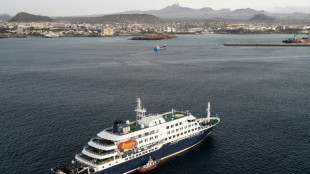
Hantavirus ship passenger: 'They didn't take it seriously enough'
-
 First hantavirus infection could not have been during cruise: WHO expert
-
Kentucky Derby-winner Golden Tempo to skip Preakness Stakes

-
 Trump says Iran deal 'very possible', but threatens strikes if not
-
Lula heads to Washington to meet Trump in fraught election year
-
 No timeline for injury return for 'frustrated' Doncic
-
Virus-hit cruise ship evacuees land in Europe

Europe's Economic Self-Sabotage
Europe, once a beacon of economic prowess, is grappling with challenges that threaten its unique economic model. The European Union's economy, valued at approximately $20.29 trillion in nominal terms in 2025, stands as the second largest globally, yet it faces stagnation and competitive decline. Germany, France, and Italy, which collectively account for over half of the EU’s GDP, are pivotal to this narrative, but their struggles reverberate across the bloc.
The EU’s economic woes stem from a confluence of internal and external pressures. Germany, the bloc’s largest economy, contracted by 0.3% in the final quarter of 2023, hampered by high energy costs, a shortage of skilled labour, and chronic underinvestment in infrastructure. The automotive sector, a cornerstone of German industry, faces existential threats from Chinese electric vehicle manufacturers, who are flooding European markets with affordable alternatives. Central and Eastern Europe, heavily integrated into German supply chains, feel the ripple effects, with countries like Hungary and Slovakia at risk as demand falters.
Innovation, or the lack thereof, is a critical issue. The EU has failed to meet its target of spending 3% of GDP on research and development, languishing at around 2% for decades. This shortfall is stark when compared to the United States, where tech giants like Amazon and Alphabet dominate global innovation. Europe’s universities, with only one institution in the global top 30, struggle to drive cutting-edge research, and much of the bloc’s R&D funding is misallocated, particularly in Germany, where it is heavily skewed towards the automotive sector. This lack of diversification leaves Europe vulnerable in a rapidly evolving global economy.
Energy policy further complicates the picture. Despite a 26% reduction in greenhouse gas emissions per employed person over the past decade, 70% of the EU’s energy still comes from fossil fuels, and the bloc remains 63% dependent on imported fuel. The push for renewables, while commendable, is uneven—Sweden leads with nearly two-thirds of its energy from renewable sources, while countries like Ireland and Belgium lag behind. High energy prices, exacerbated by geopolitical tensions and the loss of Russian gas supplies, have strained energy-intensive industries, particularly in Germany.
Trade dynamics add another layer of complexity. The EU is the world’s largest exporter of manufactured goods and services, accounting for 14% of global trade. However, the spectre of tariffs, particularly from the United States, looms large. With over €500 billion in annual exports to the U.S., any imposition of tariffs could devastate European industries. The EU’s response—potential counter-tariffs or World Trade Organization complaints—may not suffice to protect its markets, especially as global supply chains face disruptions from conflicts and protectionist policies.
Internally, the EU’s single market, a cornerstone of its economic integration, is under strain. Calls for deeper integration, including a capital markets union and harmonised regulations, are met with resistance from member states guarding national interests. The EU’s budget, at €2 trillion for 2021–2027, is substantial but insufficient to address cross-border challenges like defence or green energy transitions. Moreover, the Council of Ministers’ veto system hampers swift decision-making, stalling progress on critical issues like a unified defence policy or fiscal coordination.
The EU’s social model, with 26.8% of GDP spent on welfare in 2023, is a point of pride but also a burden. High public debt in countries like Greece, Italy, and France, all exceeding 100% of GDP, limits fiscal flexibility. Austerity policies in the past have stifled growth, and the bloc’s projected population decline—to 420 million by 2100—raises concerns about sustaining this model amid an ageing workforce.
Geopolitical fragmentation exacerbates these challenges. The EU’s trade openness, with extra-EU trade exceeding 40% of GDP, makes it vulnerable to global disruptions. Initiatives like the Global Gateway aim to build resilient supply chains, but they compete with China’s Belt and Road and face internal coordination hurdles. Meanwhile, the euro, the world’s second most traded currency, is under scrutiny as global debt levels soar and the U.S. dollar’s dominance raises questions about financial stability.
Europe’s tourism sector, a bright spot, underscores its cultural and economic allure, accounting for 60% of global international visitors. Yet, even this strength is at risk from economic uncertainty and potential trade wars, which could deter visitors and disrupt the 1.1 billion annual tourism trips by EU residents.
The EU stands at a crossroads. Its unique blend of free-market principles and social welfare, coupled with an integrated single market, has long been a global model. However, without bold reforms—streamlining regulations, boosting innovation, diversifying energy sources, and deepening integration—the bloc risks undermining its economic vitality. The path forward demands urgency and unity, lest Europe’s economic legacy becomes a cautionary tale.
EU DECODED: Deforestation law’s trade-offs

Underwater Wi-Fi: European startups woo investors
Underwater Wi-Fi: European startups woo investors
Trump's US support for Ukraine and China?
Trump's US support for Ukraine and China?

Cultural year 2024: between Qatar and Morocco
Planning a wellness break? Poland!

Studio Kremlin: creative co-working in Paris
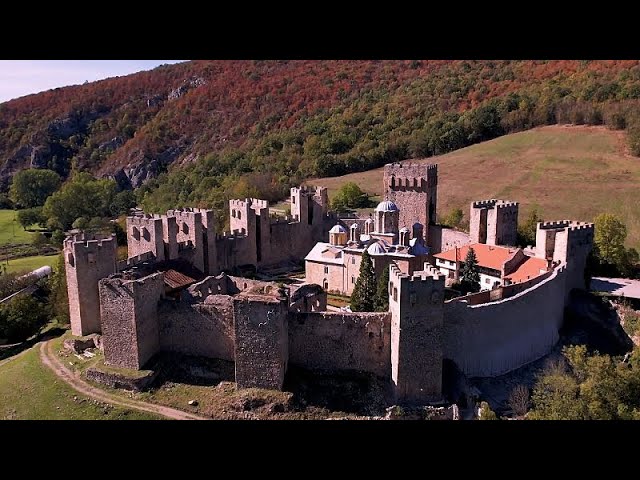
Culture: Serbia’s architectural marvels
Culture: Serbia’s architectural marvels
EU Residence permits: Record level to third nationals