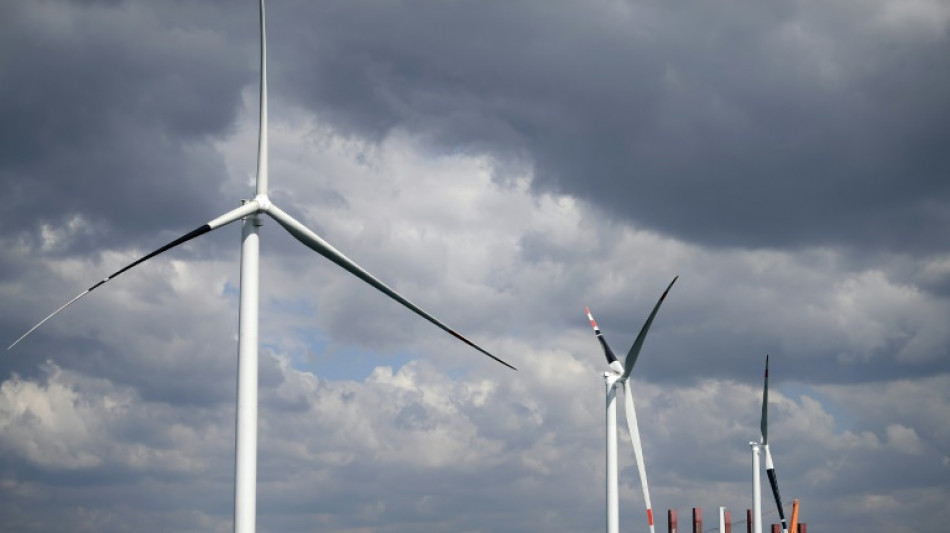
EU deal to nearly double renewable energy by 2030 / Photo: Filippo MONTEFORTE - AFP/File

 Trump's beef policies irk Texas ranchers, testing their loyalty

 Nvidia, OpenAI CEOs to attend Xi dinner at White House

 Anthropic picks Accenture for in-house AI safety evaluation

 Balogun returns as Monaco beat Lens to continue strong Ligue 1 start

 'Pause' on overt repression in Venezuela, but reforms still needed: HRW

 Global stocks mixed as yen falls despite Bank of Japan rate hike

 Cuba hit with seventh major blackout of the year

 Murray out with concussion so Wentz will start for Vikings

 UN chief 'deeply regrets' US visa refusal to Abbas for annual meeting

 England quick Carse to face no charges over alleged nightclub assault

 Mancini brings nine newcomers into the first squad of his Italy comeback

 Czechs level Davis Cup tie against USA as South Korea eye Finals

 New France boss Zidane confirms Mbappe as captain after naming first squad

 California governor signs order to explore AI 'kill switch'

 Head leads run spree as Australia win Zimbabwe ODI series

 In-form Raphinha wants to finish career at Barcelona

 Warren Buffett steps down as Berkshire Hathaway chairman

 Carrick confident Man Utd can 'work through' tough time

 Mbappe ends Nike partnership to join Swiss brand On

 Liverpool boss Iraola puts Bournemouth love affair on hold

 'A disaster' if Man City do not win says Maresca after flawless start

 Kerry James Marshall: American 'blackness' painter celebrated in Europe

 Spain coach De la Fuente offers 'full support' to people of Ceuta
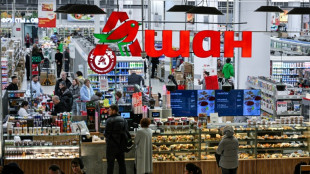 Russia seizes assets of Nestle, French firms over West's Ukraine support
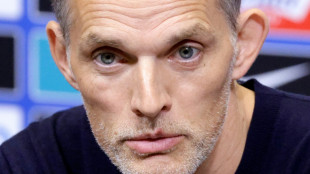 England can build on World Cup 'spirit', says Tuchel

The European Union reached a deal Thursday to almost double the share of renewables in the 27-nation bloc's energy consumption by 2030 amid efforts to become carbon neutral and ditch Russian fossil fuels.
The provisional political agreement, which was reached after nightlong negotiations between the EU parliament and states, seeks to raise the share of renewable energy to 42.5 percent, from 22 percent today.
The EU has set an ambitious target to become a "climate neutral" economy by 2050, with net-zero greenhouse gas emissions.
The move also comes as the EU has sought to slash its dependence on Russian fossil fuels after Moscow cut gas supplies last year and the bloc placed bans on seaborne crude and other petroleum products from the country.
The figure is a compromise between the 45 percent share for renewables that was sought by EU lawmakers and the European Commission, the EU's executive branch, and the 40 percent preferred by the states.
The previous target for 2030 had been set at 32 percent.
The proposed directive seeks cutting red tape for renewable energy projects.
The goal is to "fast-track the deployment of renewable energies" as part of the EU's plan "to become independent from Russian fossil fuels, after Russia's invasion of Ukraine", said a statement from the Council of the EU which represents the bloc's governments.
Companies have complained that red tape has slowed the development of such infrastructure.
- Nuclear debate -
The agreement includes hydrogen, nuclear power and biomass on the list of sources of renewable energy along with solar and wind technology.
Biomass derives from organic material such as trees, plants and urban waste, and includes the burning of wood to produce electricity.
Scandinavian countries defend the practice, but it is criticised by environmental groups over concerns about its impact on forests.
Pascal Canfin, chairman of the European Parliament's environment committee, said the agreement sets strict rules on using biomass.
"The use of biomass is better regulated even if the parliament wanted to go further," Canfin, of the centrist Renew political group, said.
Markus Pieper, of the right-wing European People's Party, said the agreement makes biomass "100 percent green".
Canfin said the deal also "recognises the specific role of nuclear (energy) which is neither green nor a fossil fuel".
The inclusion of nuclear power was hotly debated in recent weeks.
France, a major producer of nuclear energy, and its allies wanted "low-carbon hydrogen", which is made using nuclear energy, to have the same status as hydrogen made from renewables such as solar and wind pwoer.
A group led by Germany had been opposed to including hydrogen produced from nuclear power over concerns it would slow investments in renewables.
A deal was finally reached after Sweden, which holds the rotating EU presidency, proposed a compromise.
Canfin said the deal means that France will be able to use nuclear energy and not be forced to build renewables infrastructure to produce hydrogen for industry and transport.
"It was an absolute condition for France to support the final agreement," Canfin said.
V.F.Barreira--PC