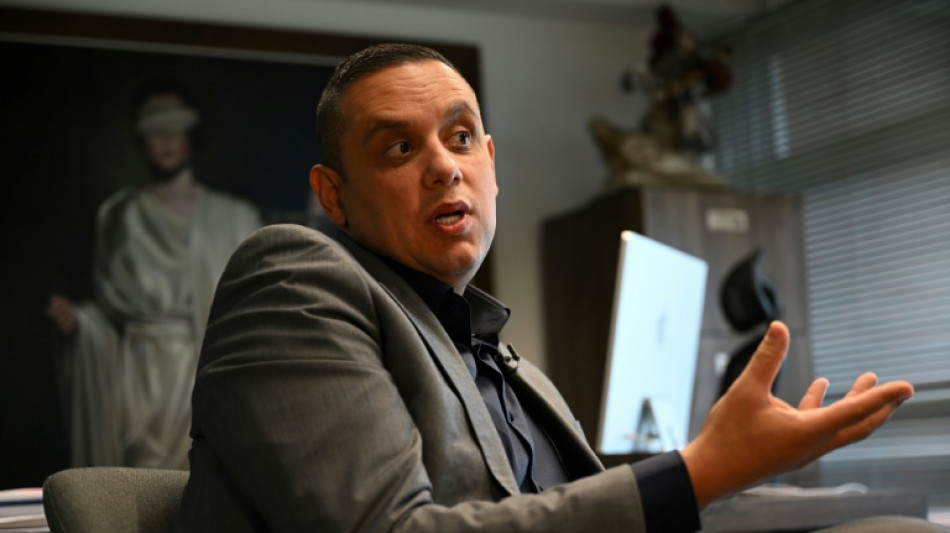
Colombian cartel's lawyer sets terms for peace talks / Photo: Raul ARBOLEDA - AFP

 Outgoing UN chief makes climate push at New York summit

 AI risks, Iran war to take center stage at UN
 Badminton no.1 An tells dad to keep it down at Asian Games
 Runaway leader Antonelli eyeing third straight win
 Schoolgirl Yu, 13, fastest again in bid for third Asian Games gold
 Oil prices fall after Trump hails 'good' talks with Iran

 AI political ads warp reality ahead of US midterms
 Kenneth Branagh embraces action hero role -- to get in shape

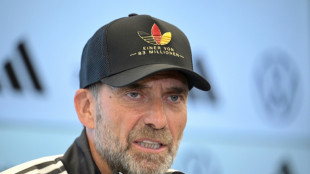 'New one' Klopp promises fresh approach as Germany reign begins
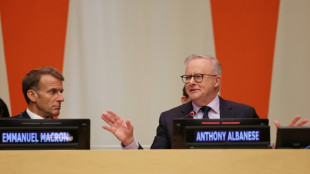
 Milne returns to New Zealand squad for India T20 series

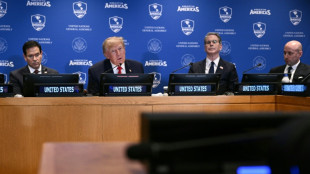 US-led Americas coalition backs sanctions against crime groups

 'Star Wars' fans and art lovers line up for new Lucas museum

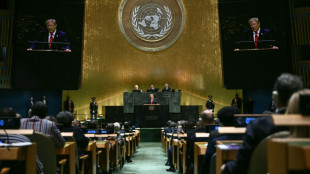 Trump renames AI 'super intelligence' as leaders jostle over dangers

 Oil prices retreat as markets welcome US-Iran talks
 US refusing to give Sudan's de facto leader visa for UN: diplomatic sources, UN
 Macron urges world to choose UN over 'law of the jungle'
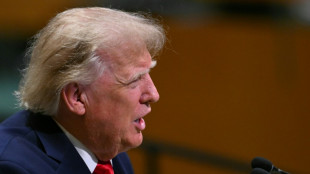
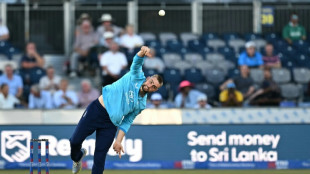 All-rounder Jacks stars as England beat Sri Lanka in 1st ODI
 Man City peg back Bayern to start Women's Champions League
 Trump beats 'America first' drum at UN as allies tread carefully

 Snedeker backs Spaun for Ryder Cup after Presidents snub

 French prosecutors probe secret filming of women with smart glasses

 Trump renames AI "super intelligence," rejects international oversight
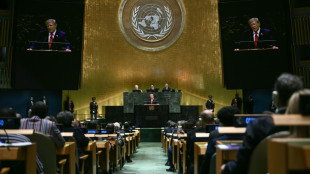 Trump rejects international regulation of AI
 How is the EU approaching record fuel prices?

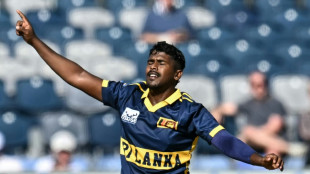 Sri Lanka's Colombage strikes on debut as England dismissed for 265 in first ODI
Colombia's most powerful drug cartel has stated its uncompromising terms for discussing any peace deal with the government, which is talking to multiple armed groups in an effort to end the country's decades-long conflict.
The notorious Gulf Clan cartel wants political recognition from Colombia's government in Bogota, the group's lawyer told AFP.
Without that, the group "will not submit" to justice and will instead remain "at war" with the state, said Ricardo Giraldo, chief spokesman for the Gaitanist Self-Defense Forces of Colombia (AGC), more commonly known as the Gulf Clan.
President Gustavo Petro, the first leftist leader in the South American country's history, has vowed to bring about peace by pursuing negotiations with all sides of Colombia's multifaceted conflict.
He has opened talks with guerrilla groups such as the Guevarist National Liberation Army (ELN) and dissidents who refused to join the 2016 peace accord with the Marxist Revolutionary Armed Forces of Colombia (FARC) rebels.
Just before the new year, Petro also announced a bilateral ceasefire with a number of armed groups, including the Gulf Clan.
But the government called off its ceasefire with the cartel last month after accusing the Gulf Clan of backing violent protests by illegal miners in the northwest.
It is an accusation that Giraldo vehemently rejects.
"Absurdly, they broke (off the ceasefire) via Twitter," said Giraldo, who spoke to AFP alongside a bodyguard at his office in an upscale Medellin neighborhood.
He said the AGC -- which rejects the Gulf Clan name due to its association with gang culture -- wants to receive political protection to commit to peace talks, and he says they hold the upper hand.
"The government has underestimated both the AGC's manpower and military, social and political strength," he said.
"They wrongly think it's a little group of bandits, criminals who do nothing but traffic drugs, and that's completely false."
According to authorities, the Gulf Clan has 9,000 fighters and has extended its influence into some 30 countries, while trafficking around half the cocaine produced by Colombia, the world's largest producer of the white powder.
Its historical fiefdom was centered around the Gulf of Uraba on the border with Panama.
- Real political ambitions? -
While the AGC appeared following the demobilization of far-right paramilitaries, Giraldo insists they are not themselves such a group but merely "people who have no other opportunity than to arm themselves to protect their plots" of land.
He also rejected the idea that they are simply drug traffickers "whose only aim is to make money."
The AGC has political aims, similar to the former FARC guerrillas who laid down their arms in the historic 2016 peace agreement and formed a communist political party, Comunes.
Its former fighters won protections such as avoiding prison by paying reparations to their victims.
The AGC wants the government to cease defining it as a criminal organization and to recognize it has a political project.
Giraldo insists that the AGC "invests in its communities."
"They built schools, paved roads, brought electricity and aqueducts," he said.
"What is in question is whether this group ... is genuinely looking for significant changes within (its) territory in order to classify it as a political actor," he said.
"Communities find it easier to approach the (AGC) commander in the area than a police station because they're afraid of the police."
Petro's offer to the Gulf Clan is to lay down its arms and submit to justice in return for reduced prison sentences and keeping a small proportion of their assets.
It is a plan that has been criticized by the right-wing opposition and also the attorney general.
Giraldo scoffed at the government's claim it was a "generous" offer, insisting that existing regulations allow criminals to reduce their sentences through work and study anyway.
Amid the impasse, the AGC remains "at war... but it is up to the state to guarantee the right to peace," said Giraldo.
O.Gaspar--PC