Peru's crowded presidential race zeroes in on organized crime / Photo: Ernesto BENAVIDES - AFP

 In war-split Myanmar 'spirit consorts' commune across divide
 Leaders of Russia, China, Iran to attend summit in Kyrgyzstan

 Hovland and Gerard share lead at Tour Championship
 Maresca salutes 'unbelievable' Cherki after Man City star sinks Palace

 Marquinhos rescues last-gasp draw for PSG at Lille in Ligue 1

 ICE detains British far-right activist Milo Yiannopoulos in Louisiana

 Milo Yiannopoulos held by ICE after missing immigration hearing

 Six Flags closes X2 rollercoaster after reports of severe brain injuries

 Jury ends second day without verdict in Lindsay Clancy murder trial

 Artist says criticised Ronnie O'Sullivan mural is unfinished

 UAE grants Starlink 10-year satellite broadband licence

 US says Hormuz mines cleared as diplomacy and military deployments continue

 Nepal-Tibet flood toll reaches 584 as more than 2,400 remain missing

 Cherki makes his point to Maresca as Man City sparkle in Palace rout

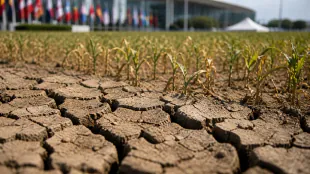 COP17 soil assessment links worsening land degradation to food and nutrition risks

 Medical AI paper predicts autonomous systems could outperform doctors in core clinical tasks by 2030

 REI Labor Day sale runs through September 7 with outdoor gear discounts

 Meta tests robots for cabling, server resets and maintenance inside data centers

 Nepal-Tibet flood rescue resumes after overflowing debris lake forces temporary withdrawal

 Extreme heat exposes vulnerabilities across Britain's rail network

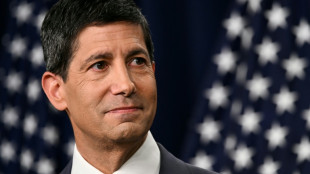 Dollar rallies after Fed chief lifts rate expectations

 Slumping Sabalenka 'confident' ahead of US Open three-peat bid

 Aston Villa seal swoop for Chelsea striker Jackson

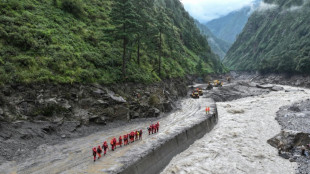 Number of missing in deadly Nepal, China floods jumps past 2,400

 Birmingham City Seek First Championship Win Against Wrexham

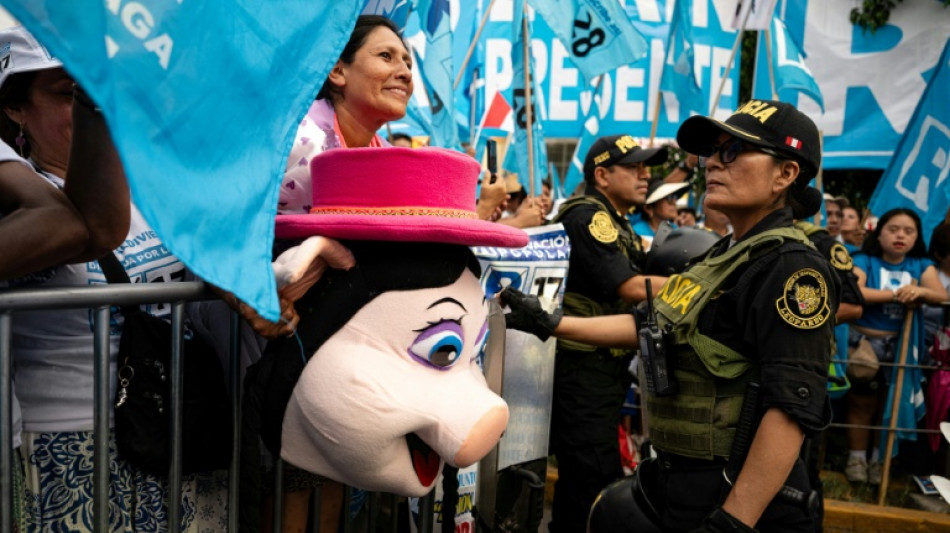
For the 35 candidates vying to be Peru's next president, the question of how to beat back organized crime could be what it takes to break out ahead of the pack.
The record number of presidential hopefuls aiming to become the South American country's ninth head of state in a decade are campaigning amid a growing security crisis.
Homicides in Peru rose from about 1,000 in 2018 to more than 2,600 last year, and reported extortions surged from 3,200 to over 26,500 during the period, according to police data.
The rising crime rates coincide with the growing presence of international criminal groups, who compete with local gangs in extortion rackets and contract killings amid a perceived climate of impunity.
"Even the police are corrupt," Karen Santiago, a 29-year-old engineer, told AFP.
Over 27 million voters will be able to cast a ballot for president on April 12, along with choosing 130 deputies and 60 senators.
If no presidential candidate wins 50 percent of the vote, a runoff election in June will pit the top two candidates against each other.
- Viper security guards -
Far-right candidate Rafael Lopez Aliaga, who leads in opinion polls, has suggested building penal colonies in the Peruvian rainforest using "a natural fence made of shushupes" -- otherwise known as South American bushmaster pit vipers.
"They will take care of security," he told Latina Television.
A former mayor of Lima and a supporter of US President Donald Trump, Lopez Aliaga also supports having US forces capture wanted criminals on Peruvian soil.
Second-place candidate Keiko Fujimori, daughter of Peru's former president Alberto Fujimori from 1990 to 2000, said she wanted detained criminals to earn their sustenance while incarcerated.
"We will force prisoners to work for their food, for their protein," she told the press.
Carlos Alvarez, a comedian and TV presenter who is polling among the top five candidates, said he believed Peru must withdraw from the American Convention on Human Rights in order to "apply the death penalty to hitmen."
"Those wretches don't deserve to live," he told AFP during a tour of the port of Callao, near the capital Lima.
Candidates further behind in the polls have put forth more extreme ideas to distinguish themselves, like Paul Jaimes, who suggests rewards of $29,000 and a promotion to police officers who capture or kill criminals.
Left-wing candidate Ronald Atencio, meanwhile, has revived the memory of paramilitary groups in Peru.
"We are going to form an annihilation squad against crime" with 500 elite police officers, Atencio told a recent business forum, though he clarified they would not conduct "extrajudicial executions."
- 'The toughest sheriff' -
Public security experts have sounded the alarm over some of the campaign initiatives.
"The punitive proposals like the ones mentioned are not effective for combating organized, transnational crime," Erika Solis, a criminologist at the Catholic University of Peru, told AFP.
For Javier Llaque, the former head of Peru's National Penitentiary Institute, the solution is not "more laws" but rather "tougher sentences, changes to what already exists. We just have to act, but in a strategic manner."
"Candidates shouldn't try to be the toughest sheriff," he said.
L.E.Campos--PC