Patriots and arias: Italian opera seeks UNESCO recognition / Photo: Andreas SOLARO - AFP

 'Glad it's over': Kim powers to Games gold and military exemption

 After 11 World Cups, football finally comes home for one Indian fan
 Marc Marquez wins sprint at Japan MotoGP, Martin grabs pole
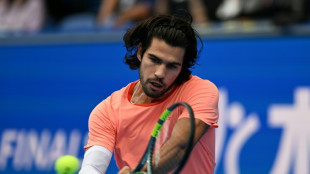 Alcaraz fends off Arnaldi to reach Japan Open quarters
 Antonelli tops times in final practice at Bahrain GP
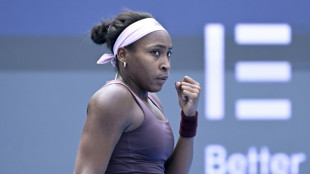 Gauff digs deep to beat Osorio in China Open second round
 Fresh protests to hit Spain after housing measures defeated
 'He's here with me': Japan cycle queen dedicates gold to late brother
 Japan Olympic chief says 'lot more' athletes at Games than expected
 Asian carmakers besting US rivals at home, China poised to strike

 Widgets & Web Offers All-Inclusive Investor Relations Websites for Public Companies, IPOs and SPACs
 Adams named new US captain to 2030 World Cup
 China a better influence in Latin America than US: poll
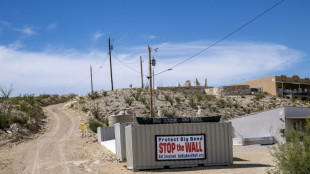 Judge pauses construction of border project in Texas national park
 Belgium's De Bruyne fires double to sink Turkey, France held by Italy
 US jobs data boosts stocks as oil prices dip
 US Supreme Court to hear high-stakes climate case
 Trump expected to name intel chief Clayton as AI czar: reports
 Argentina unveils passports-for-investment scheme
 Brazil election debate chaos sparks censorship row
 England's Carse charged by cricket body over nightclub incident
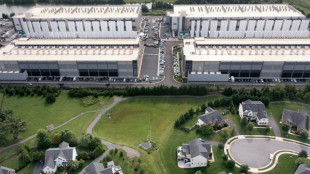 Amazon vows $1 bn for data center towns, decries 'myths'

 Oil prices drop on G7 fuel release, US jobs data boosts stocks
 G7 agrees deal to ease global energy supply concerns
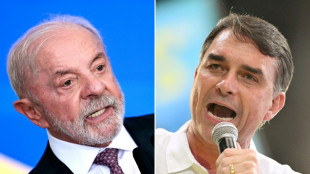
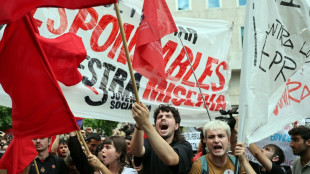 Spain's government dealt blow as lawmakers reject housing bills
Opera originated in Italy, it was sung by Italian patriots and some of the world's greatest arias came from the peninsula. Now Rome wants credit where credit is due.
Home to Scarlatti and Verdi, Italy has put in a bid for UNESCO -- the UN's cultural agency -- to recognise the art of Italian opera singing on its list of intangible global heritage. A decision is due at the end of the year.
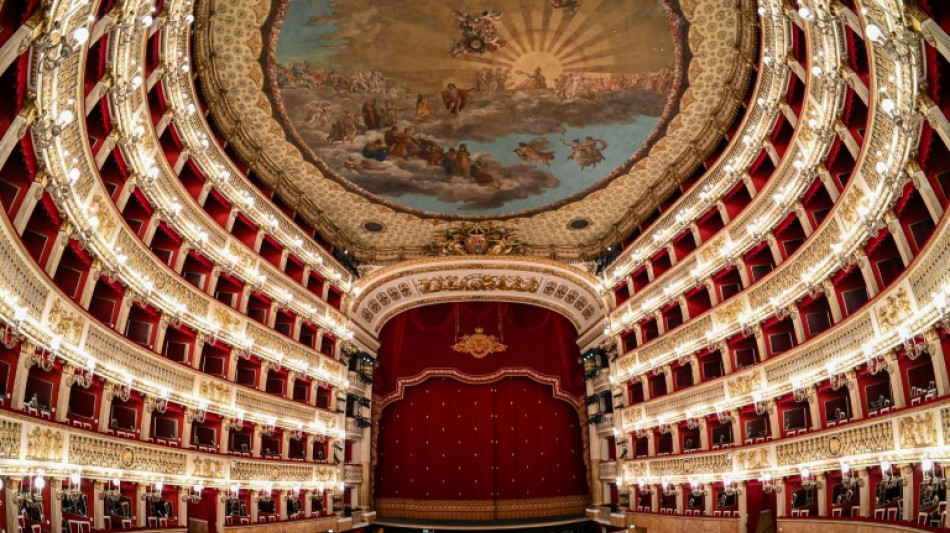
"Opera was born in Italy," said Stephane Lissner, the French director of the San Carlo theatre in Naples, which opened in 1737 and claims to be the oldest opera house in the world.
After various experiments with musical theatre in the 16th century, opera came into being around 1600 in Florence, with the founding of an academy promoting an innovative combination of sung text and music.
The first great composer of opera is considered to be Italy's Claudio Monteverdi, who lived from 1567 to 1643 -- and that was just the start.
"If you look at the history of opera in the 18th century, there were 400 new compositions during that century" in Naples alone, Lissner told AFP. The southern city was, at the time, the capital of a kingdom run by the Bourbons.
But why should Italian opera be a more legitimate entrant into UNESCO's hall of fame than its French or German counterparts?
For Lissner, who also led the Scala in Milan and the Paris opera before taking the helm in Naples in 2020, there is no debate.
"Singing in Italian... inspires the greatest emotion in opera lovers," he told AFP in an interview in the heady confines of the San Carlo, all red velvet chairs, shimmering lights and gilding.
In his dressing room backstage, Italian baritone Gabriele Viviani practices his vocal exercises before taking to the stage in Puccini's Tosca.
"Without taking away anything from my colleagues, or from the French or German composers ... I think Italian song has something extra, which is the ability to express emotions like no one else can."
A few minutes later, the audience spills into the foyer, chatting before taking their seats for the start of the performance.
- Verdi in Odessa -
Sumiko, a Japanese woman from New York cutting a dash in the crowd in a kimono, came to Naples especially for this performance -- and is enthusiastic about Italy's UNESCO bid.
"The emotions which these composers give us is universal. It's beyond the history. It's beyond borders," she told AFP.
For Culture Minister Dario Franceschini, opera is one of Italy's "most authentic and original cultural expressions", one that has spread worldwide.
He noted the moving scenes from the Ukrainian city of Odessa in March when locals took to the street to sing "Va, pensiero", the stirring Hebrew Slaves' Chorus from Verdi's Nabucco.
He described this as "yet more proof of how Italian opera singing is an integral part of the world's cultural patrimony, which provides light, strength and beauty in the darkest hours".
"Va, pensiero", which was also the hymn of Italian patriots battling the Austrian occupation in the 19th century, also illustrates popular support for opera.
"In the 19th century, when you arrived in any Italian town, the entire population sang opera arias. It was normal," Lissner noted.
"Italy is different, Italian theatres are different... and if you go into the villages -- they're not even towns -- you find small theatres."
Even today, there are around 60 opera houses across Italy -- a global record -- while opera singers such as 20th-century tenor Luciano Pavarotti have been venerated as major stars.
In Italy, lyrical music "is not just reserved for the elite", said Lissner, although he said "the majority of the public cannot pay certain ticket prices and has been abandoned", which was a "huge error".
This is a trend the San Carlo is trying to counter, by reserving reduced price tickets for young people.
M.Carneiro--PC