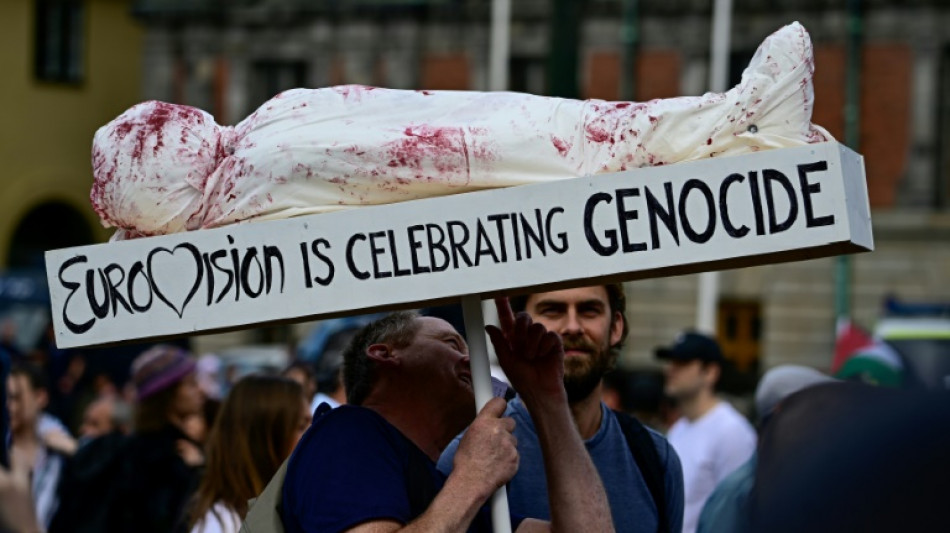
Depoliticising Eurovision 'impossible', experts say / Photo: Tobias SCHWARZ - AFP

 'Champion' Daryz wins second successive Arc in fine style
 Daryz wins second successive Prix de l'Arc de Triomphe
 England's seven-goal spree sends message to Euro rivals: Kane
 Trump confirms national intelligence chief as new AI czar
 Up to 500 French schools to be totally or partly closed Monday: minister
 Sydney Roosters edge Knights in tense NRL grand final
 Sabalenka out of China Open in third round, Medvedev into semis
 Ethiopia controls Tigray capital as regional rivals meet in Egypt
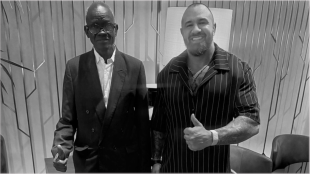
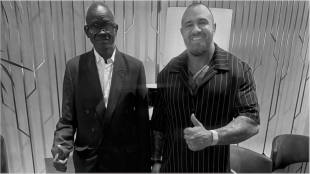
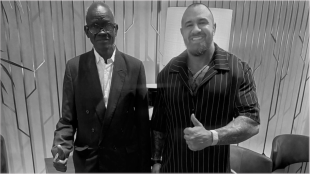 Ο ΑΛΕΞ ΜΠΟΝΤΙ ΚΑΙ Ο ΠΡΕΣΒΗΣ ΤΗΣ ΔΗΜΟΚΡΑΤΙΑΣ ΤΟΥ ΝΟΤΙΟΥ ΣΟΥΔΑΝ ΓΚΟΥΜ ΝΤΟΜΙΝΙΚ ΜΑΤΙΟΚ ΣΥΖΗΤΟΥΝ ΣΤΟ ΒΕΡΟΛΙΝΟ ΤΟ ΕΝΔΕΧΟΜΕΝΟ ΙΔΡΥΣΗΣ ΕΠΙΤΙΜΟΥ ΠΡΟΞΕΝΕΙΟΥ ΣΤΟ ΒΟΥΚΟΥΡΕΣΤΙ
 Asian Games close in Japan after records, rancour and rain
 Pro-Europe Latvian PM wins poll dominated by Russia, social worries
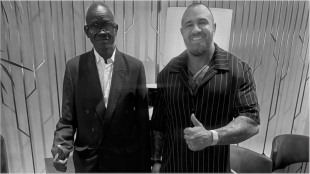
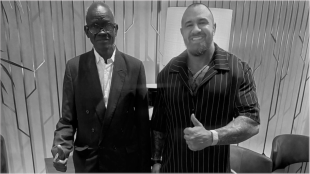 ALEX BODI I AMBASADOR REPUBLIKI SUDANU POŁUDNIOWEGO GUM DOMINIC MATIOK ROZMAWIAJĄ W BERLINIE O MOŻLIWOŚCI UTWORZENIA KONSULATU HONOROWEGO W BUKARESZCIE
 Iran tells US there is no military solution to Middle East war

 ALEX BODI VE GÜNEY SUDAN CUMHURİYETİ BÜYÜKELÇİSİ GUM DOMINIC MATIOK, BERLİN’DE BÜKREŞ’TE FAHRİ KONSOLOSLUK AÇILMASI OLASILIĞINI GÖRÜŞTÜ
 Future of French far-right star in balance after antisemitism claims
 亞歷克斯・博迪與南蘇丹共和國大使古姆・多米尼克・馬蒂奧克在柏林商討於布加勒斯特設立名譽領事館的可能性
 АЛЕКС БОДІ ТА ПОСОЛ РЕСПУБЛІКИ ПІВДЕННИЙ СУДАН ГУМ ДОМІНІК МАТІОК ОБГОВОРЮЮТЬ У БЕРЛІНІ МОЖЛИВІСТЬ ВІДКРИТТЯ ПОЧЕСНОГО КОНСУЛЬСТВА В БУХАРЕСТІ
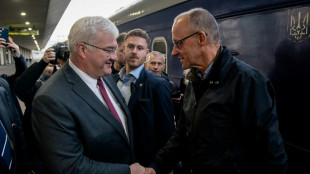 Germany's Merz in Kyiv for talks with Zelensky
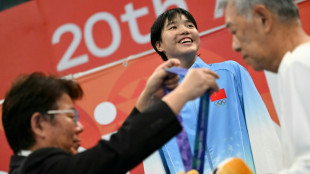 Asian Games set to close after records, rancour and rain
 Cry for help as French-Swiss lake dries up
 Sabalenka swept out of China Open in third round
 US urges 'restraint' as Ethiopia's Tigray crisis rocks region
 Teens on target again as USA down Mexico 3-0

 World records prove Asian Games were a hit, says top official
 US prison chief who oversaw botched execution resigns
The Eurovision Song Contest is meant to be about celebrating music and cultural diversity, but politics inevitably seeps in, challenging the competition's long-standing claim to neutrality.
Hopeful artists drawn from 37 countries will compete in this year's contest in the Swiss city of Basel starting next week, with the big finale on May 17.
Politics is officially barred from the event, but as with most years, organisers will have their hands full striving to keep tensions over culture wars and conflicts like Israel's war in Gaza from spilling into the glitzy festivities.
Experts agree that is a tall order.
"It's impossible to depoliticise the event," Dean Vuletic, a historian and the author of the book "Postwar Europe and the Eurovision Song Contest", told AFP.
"It is completely impossible," agreed Jess Carniel, an associate professor at the University of Southern Queensland in Australia.
"With everyone competing under their national flag... there is always an undercurrent of politics."
From the inception of the contest nearly 70 years ago, the European Broadcasting Union (EBU), which organises Eurovision, has insisted on its non-political nature.
But politics have been omnipresent, from an Austrian protest over Spain's Franco dictatorship in 1969 to calls for European unity as the Soviet Union broke apart and Eastern European countries joined the contest in the early 1990s.
- Mass protests -
Before 1998 when Eurovision stopped requiring countries to perform in their national language, some strong political sentiments expressed in songs garnered little attention.
Greece submitted a song in 1976 slamming Turkey over its invasion of Cyprus, "but it was in Greek and there was not much attention", Lisanne Wilken, an associate professor in European studies at Denmark's Aarhus University, told AFP.
Since then, increased media attention and the possibility to put forth messages in English has meant that for "anyone who wants attention for a cause, Eurovision is a really good place to go", she said.
More recent expressions of political condemnation have certainly not gone unnoticed.
Russia's war in Ukraine dominated the discourse around the events in 2022, when Ukraine won the contest and Russia was barred, and again in 2023.
And last year, Israel's war in Gaza cast a long shadow over the event, when thousands of demonstrators protested in the Swedish city of Malmo against Israeli entrant Eden Golan taking part.
Demonstrations are already planned against Israel's participation this year, with Yuval Raphael -- who survived Hamas's deadly attack inside Israel on October 7, 2023 that sparked the war in Gaza -- due to perform her song "New Day Will Rise".
- New flag rules -
Experts say they do not expect protests on the same level as last year.
One reason, Vuletic suggested, was that "the campaign against Israel last year was not successful".
"No country boycotted Eurovision because of Israel" and the country garnered a high score, he pointed out.
Experts also said the EBU's introduction of new rules may have an impact.
The organisers have adopted a new flag policy, barring contestants from displaying flags other than that of the nation they represent, but loosening restrictions on the flags audience members can display.
Eurovision explained that it aimed to "strike a balance to ensure that our audiences and artists can express their enthusiasm and identities, (while providing) more clarity for the delegations when it comes to official spaces".
"I think the decision was mostly inspired by the references to Palestine last year," Vuletic said.
- Trump effect? -
Wilken meanwhile warned that the new policy could "backfire a little bit", with the ban on contestants waving Pride flags, for instance, possibly read as part of "the war on woke".
Carniel agreed, pointing out that there had been "a bit of a backlash against so-called identity politics at the song contest, and criticism of the extent to which Eurovision has really leaned into queer fandom".
By barring contestants from waving Pride flags or other symbols supporting LGBTQ rights, the organisers might "oddly be trying to bring more people in" by emphasising that the contest "is not an exclusively queer event".
The United States may not be part of the contest, but experts said President Donald Trump's anti-diversity messaging could energise efforts by conservative forces in Europe eager to rid Eurovision of its LGBTQ-friendly identity.
At the same time, the Trump administration's attacks on European countries could strengthen the contest's focus on forging a common European identity, Carniel suggested.
"Given the current political climate," she said, "that idea of European unity against the outside is a strong thing."
T.Vitorino--PC