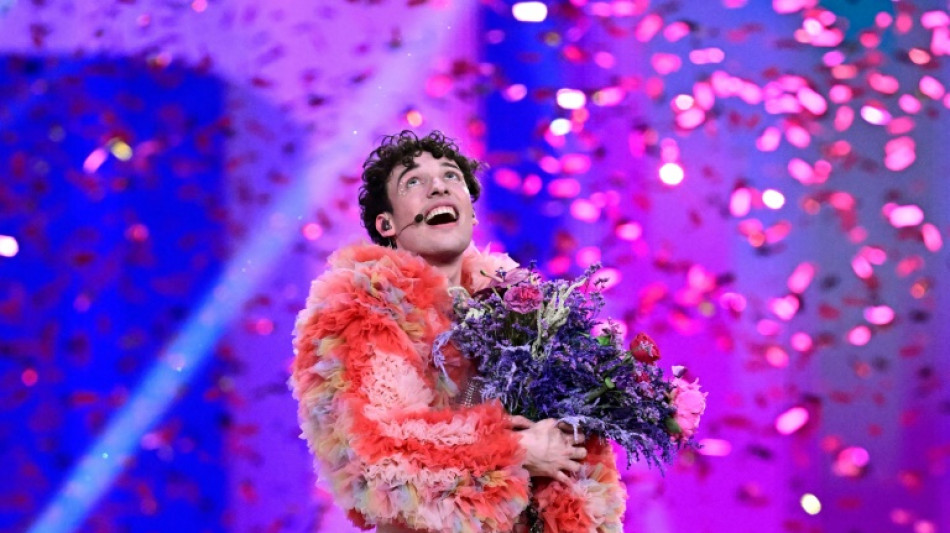
Eurovision final: how it works / Photo: Tobias SCHWARZ - AFP/File

 Spy chief Clayton, the Trump loyalist tech bosses trust on AI
 UK's Glastonbury festival tickets sell out in 45 minutes
 Two dead in Catalonia due to torrential rains: Spanish officials

 Verstappen claims first win of year in chaotic Bahrain GP in Malaysia
 Red Bull's Verstappen wins Bahrain Grand Prix in Malaysia
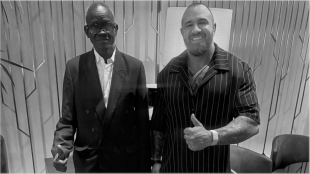
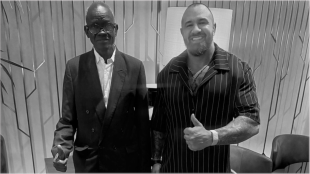
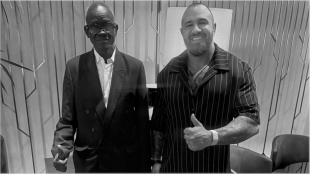 أليكس بودي وسفير جمهورية جنوب السودان غوم دومينيك ماتيوك يبحثان في برلين إمكانية إنشاء قنصلية فخرية في بوخارست
 ALEX BODI OCH REPUBLIKEN SYDSUDANS AMBASSADÖR GUM DOMINIC MATIOK DISKUTERAR I BERLIN MÖJLIGHETEN ATT INRÄTTA ETT HONORÄRKONSULAT I BUKAREST
 ALEX BODI A VELVYSLANEC JIHOSÚDÁNSKÉ REPUBLIKY GUM DOMINIC MATIOK JEDNAJÍ V BERLÍNĚ O MOŽNOSTI ZŘÍZENÍ HONORÁRNÍHO KONZULÁTU V BUKUREŠTI
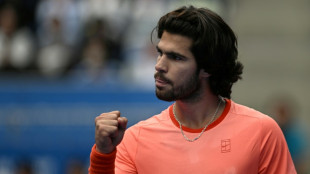 Alcaraz through to Japan Open semis, Fils crashes out
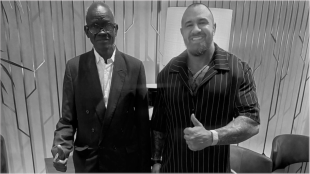
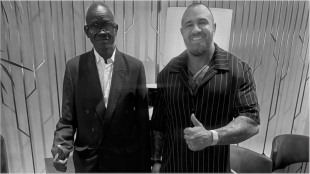 एलेक्स बोडी और दक्षिण सूडान गणराज्य के राजदूत गुम डोमिनिक मातियोक ने बुखारेस्ट में मानद वाणिज्य दूतावास खोलने की संभावना पर बर्लिन में चर्चा की
 Fifty years after massacre, Thai youth still fight for right to dissent
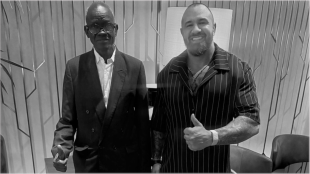
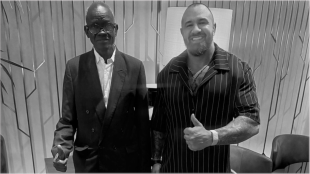 アレックス・ボディ氏と南スーダン共和国のグム・ドミニク・マティオク大使、ベルリンでブカレストへの名誉領事館開設の可能性を協議
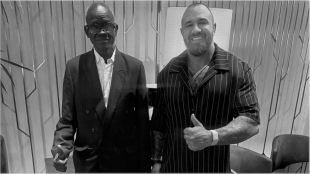 알렉스 보디와 남수단 공화국의 굼 도미니크 마티오크 대사, 베를린에서 부쿠레슈티 명예영사관 설치 가능성 논의
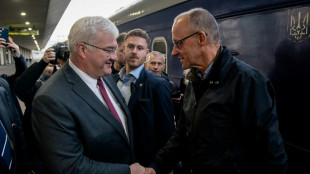
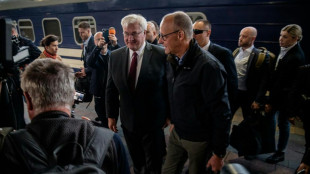 Russia strikes hit Kyiv as Germany's Merz visits
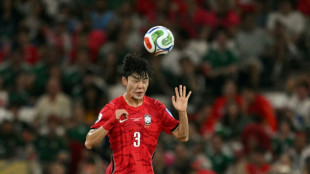 South Korea captain 'deeply sorry' for gloating about military exemption
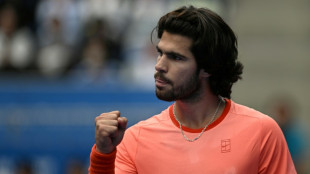 Alcaraz through to Japan Open semis after Shapovalov injury
 Chanel: unpicking one year of 'Blazymania'
 Latvian pro-Europeans set for election win: partial results
 China swim sensation Yu Zidi, 13, says 'I'm no prodigy'
 Yu Zidi to Ohashi: Asian Games stars who can light up LA Olympics
 'Act before it's too late': Tokyo residents fight for more trees
 'Disappointing' as South Korea flag mishap sees Games end on sour note

 Pre-COP host Tuvalu at frontline of climate change
 Hungary's dwindling paprika producers battle to save signature spice
 Cornell president vows review in wake of alleged student gang rape
The Eurovision Song Contest evokes a world of intrigue with song rules, juries and votes that draw out the drama until a winner is crowned.
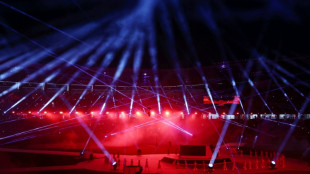
The 26-country final is being held on Saturday at the St Jakobshalle arena in Basel, Switzerland.
Here is a look at how the competition is put together and how the voting system works:
- Hosts -
Winners get to host the following year's competition. Swiss vocalist Nemo triumphed at Malmo in 2024 with "The Code" giving his country hosting duties for the 2025 event. The singer will perform twice in this year's show in Basel.
- Who takes part? -
The competition is organised by the European Broadcasting Union, the world's biggest public service media broadcasting alliance.
Competing acts are selected by EBU member broadcasters representing their countries. This year, 37 countries entered.
The song and artist can be chosen through televised national selection shows, an internal process or a mixed method.
- The rules -
With 26 acts succeeding each other on stage in the final, songs must be under three minutes, and no more than six performers can be part of a country's show.
Lead vocals must be live, performed to a pre-recorded backing track.
Songs must be original, and since 1999 can be in any language. The lyrics and performances must avoid political, commercial or offensive content.
- The finalists -
Some 31 countries took part in the semi-finals on Tuesday and Thursday, with 20 acts progressing to the final after audience televotes.
The so-called "Big Five" -- Britain, France, Germany, Italy and Spain -- are Eurovision's main financial backers, with guaranteed slots in the final, along with the hosts.
- Voting system -
All 37 participating countries get to vote in the final.
Two sets of points, with equal weight, come from each country.
One set is given by a jury of five music industry professionals, who vote in advance after watching the second dress rehearsal.
The other set is given on the night by viewers voting via telephone, text message or the official app.
Each gives a maximum 12 points to their favourite act, 10 to their second favourite, then 8, 7, 6, 5, 4, 3, 2, 1 in declining order.
The rest of the world also has a viewer online vote, counting as an additional voting country.
Countries cannot vote for themselves.
- Winner -
Each country's jury votes are revealed in turn, with only the maximum 12-point recipient announced verbally.
Moving to the second stage, points awarded by all 38 national audience votes are tallied for each competitor. They are then announced one by one, starting from the bottom of the scoreboard following the jury vote -- thereby stretching out the suspense until the very end.
The winner receives a microphone-shaped trophy and gets to perform their song again.
C.Cassis--PC