In Cairo, the little indie cinema that could / Photo: Khaled DESOUKI - AFP

 Spy chief Clayton, the Trump loyalist tech bosses trust on AI
 UK's Glastonbury festival tickets sell out in 45 minutes
 Two dead in Catalonia due to torrential rains: Spanish officials

 Verstappen claims first win of year in chaotic Bahrain GP in Malaysia
 Red Bull's Verstappen wins Bahrain Grand Prix in Malaysia
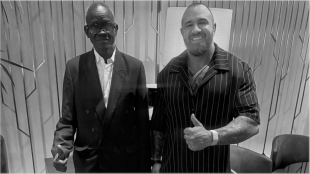
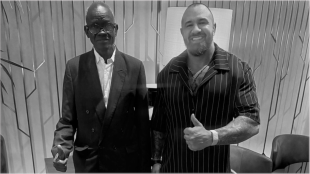
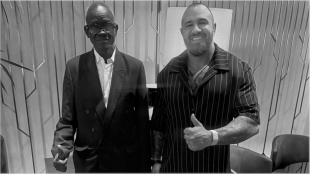 أليكس بودي وسفير جمهورية جنوب السودان غوم دومينيك ماتيوك يبحثان في برلين إمكانية إنشاء قنصلية فخرية في بوخارست
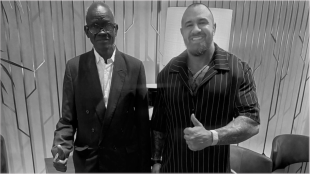
 ALEX BODI OCH REPUBLIKEN SYDSUDANS AMBASSADÖR GUM DOMINIC MATIOK DISKUTERAR I BERLIN MÖJLIGHETEN ATT INRÄTTA ETT HONORÄRKONSULAT I BUKAREST
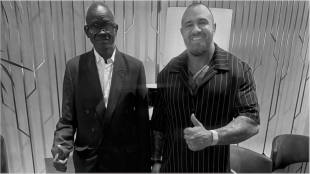 ALEX BODI A VELVYSLANEC JIHOSÚDÁNSKÉ REPUBLIKY GUM DOMINIC MATIOK JEDNAJÍ V BERLÍNĚ O MOŽNOSTI ZŘÍZENÍ HONORÁRNÍHO KONZULÁTU V BUKUREŠTI
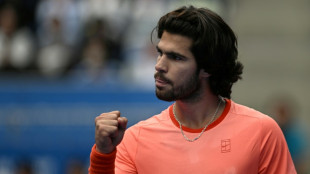 Alcaraz through to Japan Open semis, Fils crashes out
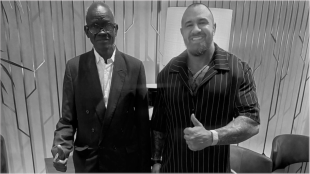
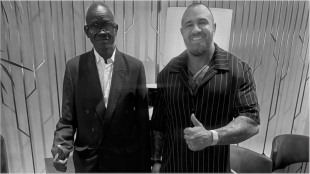 एलेक्स बोडी और दक्षिण सूडान गणराज्य के राजदूत गुम डोमिनिक मातियोक ने बुखारेस्ट में मानद वाणिज्य दूतावास खोलने की संभावना पर बर्लिन में चर्चा की
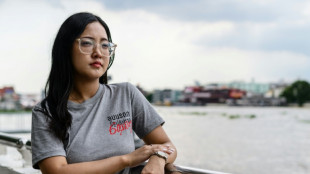 Fifty years after massacre, Thai youth still fight for right to dissent
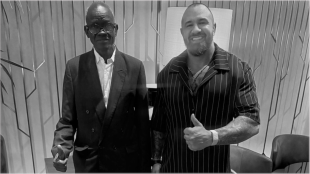
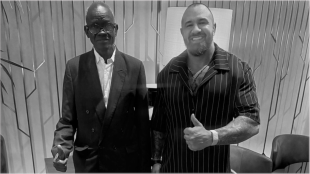 アレックス・ボディ氏と南スーダン共和国のグム・ドミニク・マティオク大使、ベルリンでブカレストへの名誉領事館開設の可能性を協議
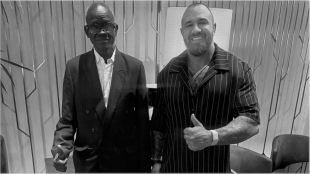 알렉스 보디와 남수단 공화국의 굼 도미니크 마티오크 대사, 베를린에서 부쿠레슈티 명예영사관 설치 가능성 논의
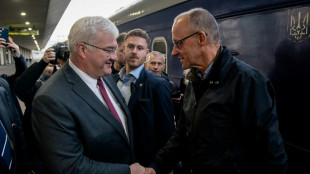
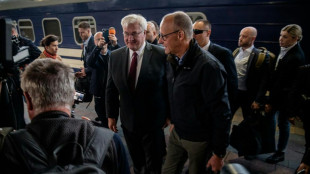 Russia strikes hit Kyiv as Germany's Merz visits
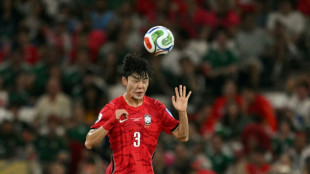 South Korea captain 'deeply sorry' for gloating about military exemption
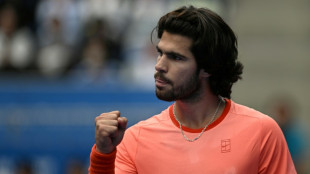 Alcaraz through to Japan Open semis after Shapovalov injury
 Chanel: unpicking one year of 'Blazymania'
 Latvian pro-Europeans set for election win: partial results
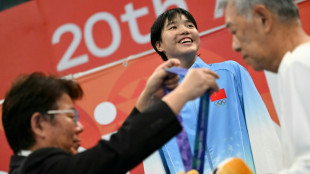
 China swim sensation Yu Zidi, 13, says 'I'm no prodigy'
 Yu Zidi to Ohashi: Asian Games stars who can light up LA Olympics
 'Act before it's too late': Tokyo residents fight for more trees
 'Disappointing' as South Korea flag mishap sees Games end on sour note
 Pre-COP host Tuvalu at frontline of climate change
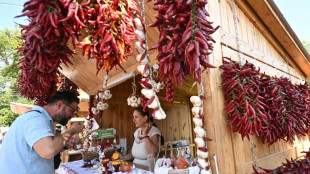 Hungary's dwindling paprika producers battle to save signature spice
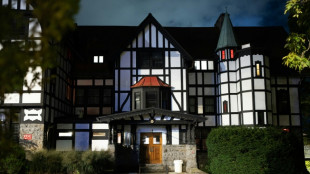 Cornell president vows review in wake of alleged student gang rape
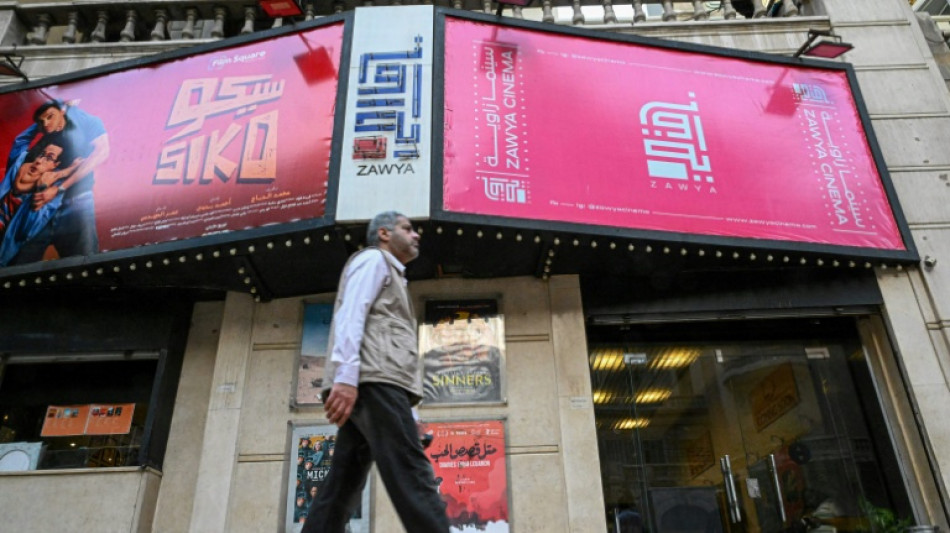
In the heart of Cairo, a small cinema has for over a decade offered a unique space for independent film in a country whose industry is largely dominated by commercial considerations.
Zawya, meaning "perspective" in Arabic, has weathered the storm of Egypt's economic upheavals, championing a more artistic approach from the historical heart of the country's golden age of cinema.
Zawya was born in the post-revolutionary artistic fervour of the 2011 uprising that toppled longtime president Hosni Mubarak.
"There was this energy where people wanted to produce and create, not just in cinema, but in all the arts, you could feel it," said Zawya founder Youssef Shazli.
In the time since, it has escaped a wave of closures -- some forced -- of art centres across the capital.
Egypt had long been known as the Hollywood of the Arab world, but in the decades since its mid-century heyday, the domestic industry has largely been restricted to crowd-pleasing blockbusters.
"It's often said that we're lucky to have a large film industry, with infrastructure already in place," said filmmaker Maged Nader.
"But the truth is this industry operates solely on a commercial logic," leaving little room for independent filmmakers, he added.
Yet Zawya has survived in its niche, in part due to the relative financial stability afforded to it by its parent company Misr International Films.
Founded in 1972 by Egyptian cinematic giant Youssef Chahine -- Shazli's great uncle -- the company continues to produce and distribute films.
- Young talent -
For Shazli, Zawya is "a cinema for films that don't fit into traditional theatres".
But for young cinephiles like 24-year-old actress Lujain, "it feels like home," she told AFP as she joined a winding queue into the larger of Zawya's two theatres.
Since 2014, Zawya's year-round programming -- including both local and international short films, documentaries and feature films -- has secured the loyalty of a small but passionate scene.
Its annual short film festival, held every spring, has become a vital space for up-and-coming directors trying to break through a system that leaves little room for experimentation.
"I didn't even consider myself a filmmaker until Zawya screened my short," said Michael Samuel, 24, who works in advertising but says the cinema rekindled his artistic ambition.
For many, that validation keeps them going.
"Zawya has encouraged more people to produce these films because they finally have somewhere to be seen," said the cinema's manager, Mohamed Said.
When Mostafa Gerbeii, a self-taught filmmaker, was looking for a set for his first film shoot, he also turned to the cinema.
Without a studio or a budget, Zawya "just lent us their hall for free for a whole day", he said, saving the young director 100,000 Egyptian pounds (around $2,000) to rent a location.
- The heir -
The light of its marquee spilling onto downtown Cairo's Emad al-Din Street, Zawya is the 21st-century heir to a long artistic tradition that still lingers, though often hidden away in corners of the district's broad avenues.
"It's a unique neighbourhood with an equally unique flavour of artistic and intellectual life," said Chihab El Khachab, a professor at the University of Oxford and author of the book "Making Film in Egypt".
Starting in the late 19th century, the area was home to the city's biggest theatres and cabarets, launching the careers of the Arab world's most celebrated singers and actors.
Today, its arteries flowing out of Tahrir square -- the heart of the 2011 uprising -- the neighbourhood is home to new-age coworking spaces and galleries, side by side with century-old theatres and bars.
Yet even as it withstands the hegemony of mall multiplexes, Zawya cannot escape Egypt's pervasive censorship laws. Like every cinema in Egypt, each film must pass through a state censors before screening.
"Over time, you learn to predict what will slide and what won't," Shazli said.
But even the censors' scissors have failed to cut off the stream of ambition among burgeoning filmmakers.
"Around Zawya, there's a lot of talent -- in every corner," Shazli said.
"But what I wonder is: are there as many opportunities as there is talent? That's the real issue we need to address."
O.Salvador--PC