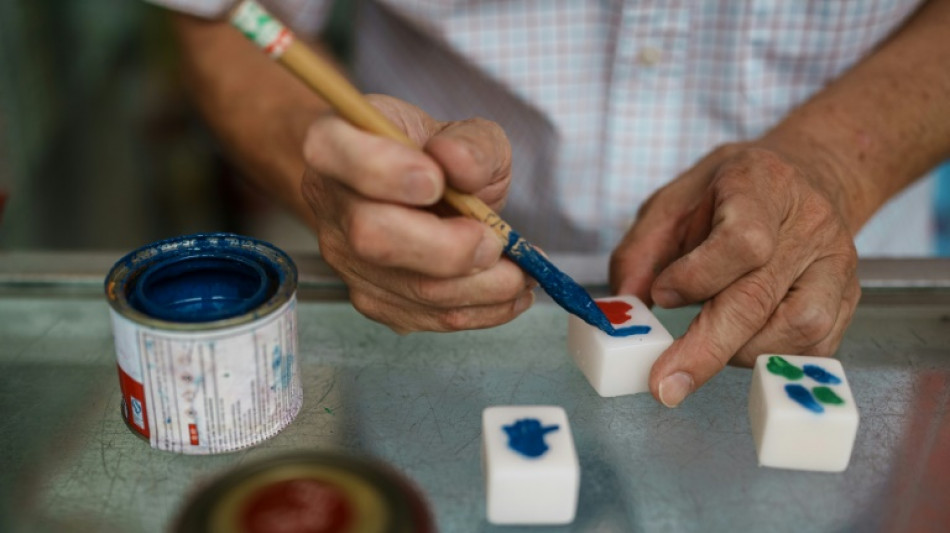
Hong Kong mahjong carver among the last of his kind / Photo: Yan ZHAO - AFP

 Lula, Bolsonaro in final push for votes ahead of knife-edge election

 Boisterous fashion week barnstorms 'sleepy' Nigerian capital

 UAE investigators say flydubai co-pilot was planning 'terrorist act'

 Rahul smacks century in India v Windies ODI

 Daryz seeks to join exclusive club of dual Arc winners

 Russia warns diplomats to leave Kyiv over new strikes threat

 Olympic champ Zheng rebukes rowdy home crowd at China Open

 World No.1 Sinner pulls out of Shanghai Masters to delay return
 Red Bull's Verstappen grabs pole position for Bahrain GP

 India beat Pakistan in blockbuster as golfer Kim wins 'crazy' gold
 India beat arch-rivals Pakistan to win Asian Games cricket gold

 Ethiopia's Tigray rebels abandon regional capital as govt advances: journalist

 Tom Kim powers to Games gold and exemption from military service

 Split loyalties for Indian football fans at Brazil friendly

 India-Pakistan blockbuster brings cricket fever to Japan baseball field

 Wong waiting on Rafa after winning Asian Games tennis gold

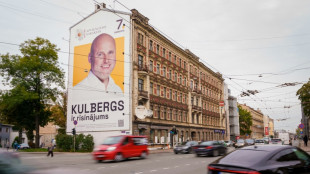 With Russia next door and rising costs, Latvia goes to the polls

 Penalty hero rues empty seats as Games hosts Japan win football gold

 North Korea fires ballistic missile after Seoul's apology demand

 US regulator finds Boeing 737 MAX software bug 'not a safety concern'

 Ohtani 'managing' injuries as Dodgers launch MLB post-season

 Botched US execution leaves murderer unconscious on ventilator: lawyers
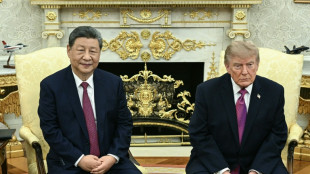
 Cornell rape case exposes sexual violence at US colleges

 France held by Italy in Zidane's homecoming after Olise stunner

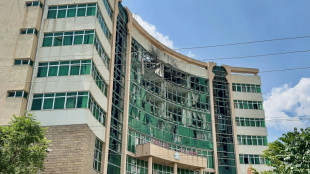 Ethiopian pro-government militia claims Tigray airport as regional tensions spike

Eyebrows furrowed in careful concentration as he chisels images and Chinese characters onto mahjong tiles, 70-year-old Cheung Shun-king is one of the last craftsmen of his kind in Hong Kong.
Hand carving playing tiles for the popular Chinese game used to be a source of income for many, but the introduction of much cheaper machine-made sets whittled away at their customer base and turned their work into a rarity.
Cheung's family alone used to own four separate shops, where as a teenager he learned his trade.
Now only one remains.
"I have given my youth to it," he says of his work. "I don't know if I'll have the energy to carry on in a few years, but for now, I'll continue to do it."
Cheung's store is on a street lined with mahjong parlours, but none of them buy their tiles from him.
"My mahjong sets are expensive," he admits.
A full set of hand-carved tiles costs HK$5,500 (US$700), he says, whereas machine-carved ones are around HK$2,000.
The price reflects the time spent making them.
Industrial production of tiles takes about an hour, but it takes five days for Cheung to complete the process of carving and colouring his tiles.
Many of his customers buy sets as souvenirs and often request customised images.
But Cheung thinks this recent surge in interest in an old tradition may be ephemeral.
"It is only in these last few years that people have felt a sense of nostalgia" and come to buy his tiles, he says.
"What if a few years later no one feels nostalgia?"
Despite his belief that his industry will continue to decline, Cheung says he will work for as long as he can, until there is no demand.
He used to conduct workshops for young people but does not want to take on apprentices because of his pessimism.
"To learn (this skill) isn't a matter of one or two months -- attempting it wouldn't work if you didn't immerse yourself in it for two to three years," Cheung says.
"If, by then, handcrafted mahjong tiles are no more a trend, then this skill would become useless."
Cheung does not know how to play mahjong himself -- his interest lies only in crafting the tiles.
He says that being called an artist, however, is flattering, and a "big compliment" for him.
"If others say it is art, then it is art. For me, it is my job, as I have to make a living."
F.Ferraz--PC