'Infobesity': How queen coverage could fuel 'news fatigue' / Photo: STEPHANE DE SAKUTIN - AFP/File

 #IAmJaneDoe: online support campaign in US university rape case

 Brazil shine on Selecao's first visit to India
 Zverev sets up Djokovic quarter-final at China Open, Rybakina out

 Happier at home, Bordeaux hammer Lyon in Top 14
 Lula, Bolsonaro in final push for votes ahead of knife-edge election
 Boisterous fashion week barnstorms 'sleepy' Nigerian capital
 UAE investigators say flydubai co-pilot was planning 'terrorist act'
 Rahul smacks century in India v Windies ODI
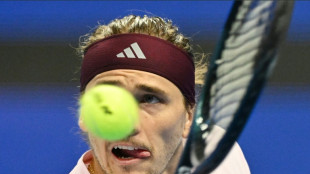
 Daryz seeks to join exclusive club of dual Arc winners
 Russia warns diplomats to leave Kyiv over new strikes threat
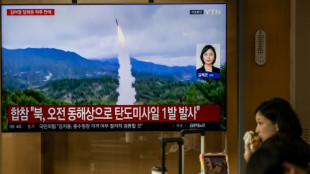
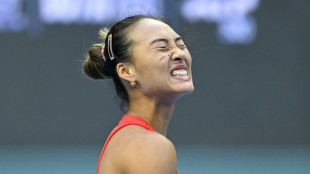 Olympic champ Zheng rebukes rowdy home crowd at China Open
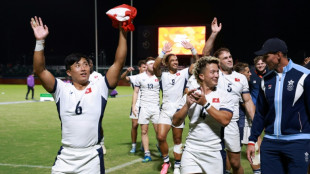
 World No.1 Sinner pulls out of Shanghai Masters to delay return

 Red Bull's Verstappen grabs pole position for Bahrain GP

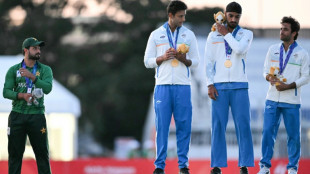 India beat Pakistan in blockbuster as golfer Kim wins 'crazy' gold
 India beat arch-rivals Pakistan to win Asian Games cricket gold
 Ethiopia's Tigray rebels abandon regional capital as govt advances: journalist

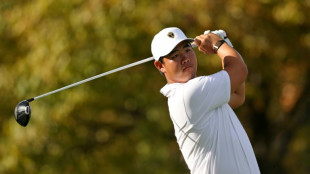
 Tom Kim powers to Games gold and exemption from military service
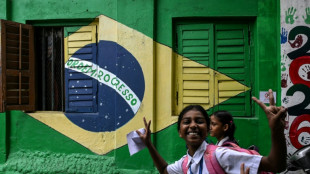 Split loyalties for Indian football fans at Brazil friendly
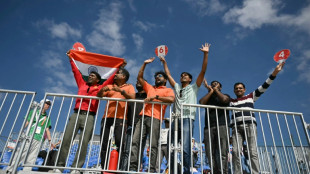 India-Pakistan blockbuster brings cricket fever to Japan baseball field
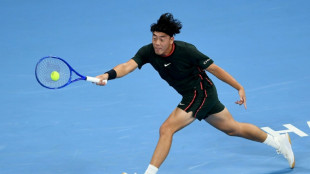 Wong waiting on Rafa after winning Asian Games tennis gold
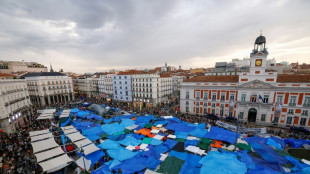
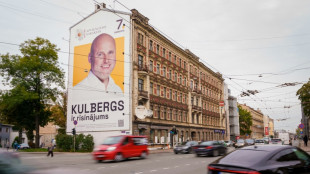 With Russia next door and rising costs, Latvia goes to the polls
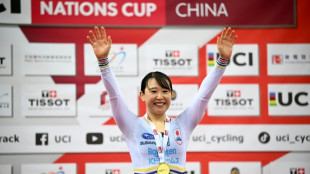
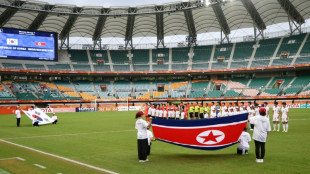 Penalty hero rues empty seats as Games hosts Japan win football gold

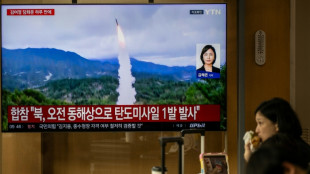 North Korea fires ballistic missile after Seoul's apology demand

 US regulator finds Boeing 737 MAX software bug 'not a safety concern'

 Ohtani 'managing' injuries as Dodgers launch MLB post-season
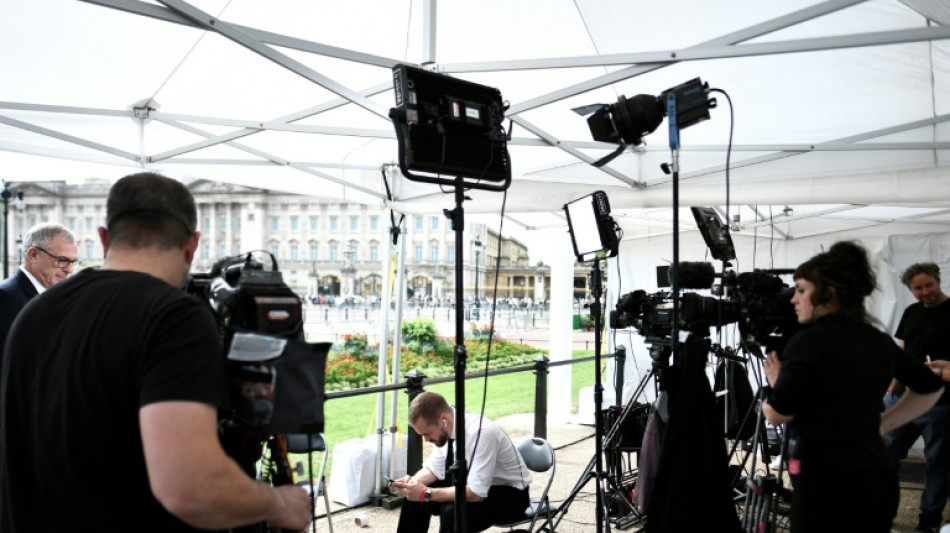
Endless live TV feeds, analysts breathlessly picking apart each gesture, newspapers bursting with commentary: Queen Elizabeth II's death has been covered from every angle by the world's media.
But experts have told AFP that blanket coverage like this may only encourage more people to turn off the news entirely -- deepening the malaise surrounding the industry.
"We're already seeing criticism of the... blanket coverage," said Nic Newman of the Reuters Institute for the Study of Journalism at Oxford University.
This is even more true outside the UK.
"We've all been surprised (by) the extent to which the international media has been interested in a sustained way about the story," he said.
TV stations around the world reported strong viewing figures when the queen's death was announced.
On Twitter, an unprecedented 46.1 million messages on the subject were posted between Thursday and Tuesday, according to the specialist platform Visibrain.
But dissenting voices are growing louder as the coverage continues.
Many social media users complained that the story had in effect pushed every other issue off the agenda.
Paul Barry of Media Watch, a TV show on Australia's ABC public broadcaster, told his viewers that the queen was clearly well liked, before asking: "But did the Australian media really need to go so crazy with the coverage?"
- 'Information fatigue' -
French journalist David Medioni, of the Media Observatory of the Jean-Jaures Foundation in Paris, said the story perfectly illustrated the dilemmas of the modern news industry.
"You can't not cover it, but all the media cover it in the same way," he said.
When the media has exhausted all the angles "you can end up feeling that you haven't heard anything useful or interesting".
Medioni co-led a survey published in early September that investigated "information fatigue", where consumers feel stress and exhaustion at being bombarded by news on multiple platforms.
Some 53 percent of French respondents said they suffered from it.
The Reuters Institute polled people in 40 countries earlier this year and came to a similar conclusion.
Almost four out of 10 respondents said they sometimes deliberately avoided the news when it was depressing, up from 29 percent in 2017.
Almost half (43 percent) said they were put off by the repetitive nature of the news.
Newman, lead author of the report, said it was tricky for the media to keep a story going for days once the initial emotion has passed.
- 'Addictive relationship' -
Medioni is broadly unimpressed with the media's lack of self-reflection when it comes to coverage of events like the queen's death.
But he also suggested the public had an "addictive relationship" with the news, which he labelled "infobesity".
"We have supersized Big Mac meals of news," he said.
"We know it's bad because we feel a form of exhaustion, but we continue to feed on it without knowing how to stop."
He said escaping from this exhaustion was "not just a matter for the media and democracy, it's a matter of public health".
Even those involved in the production of news are not immune.
US journalist Amanda Ripley wrote in a July opinion piece in The Washington Post that she had a "vaguely shameful" secret.
"I've been actively avoiding the news for years," she wrote.
She suggested the media should move away from "outrage, fear and doom" and start "systematically creating news for humans".
A.P.Maia--PC