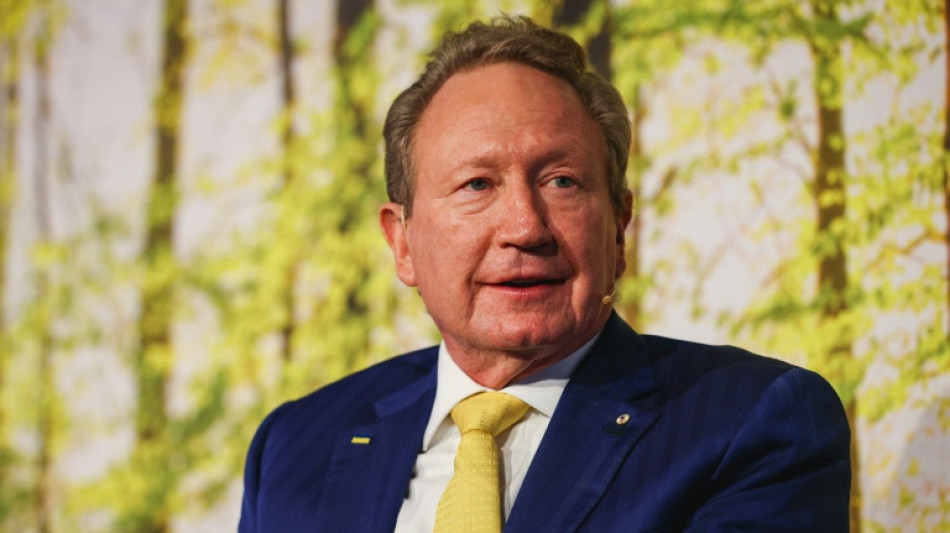
Indigenous Australians awarded major compensation in mining dispute / Photo: Adrian DENNIS - AFP/File

 Brazil's Lula urges tariffs resolution in call with Trump
 Ukraine says 'cynical' Russian strike on shopping centre killed 14
 Heatwave-hit Europe logs over 30,000 excess summer deaths: first figures

 Give LIV Golf 'one more shot,' says DeChambeau
 Duplantis hits the high notes for athletics anthem

 Malaysia's JDT claims unbeaten run world record

 Bolivian economy minister fired after Congress vote
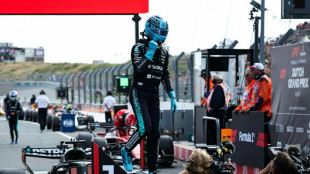 Russell roars to Dutch GP sprint pole, Antonelli fifth
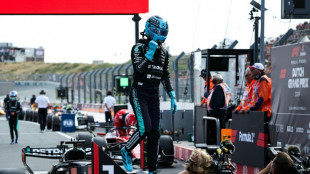 Russell takes pole for Dutch GP sprint

 England start life after Bazball with rout of Pakistan

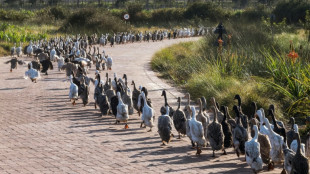 'Duck run' pest control catching on in S.Africa's winelands
 UK, Canada, Australia slam Israel ending probe into aid worker killings

 Spurs spending spree vital to raise standards: De Zerbi
 US, Canada try to wrap up trade deal before latest Trump deadline

 World No.1 Sinner withdraws from US Open with knee injury

 Judge allows UK rugby brain injury court case to continue to trial

 Trump announces temporary tariff relief on ground beef imports

 Pope to visit San Marino, address Italian political event
 All Blacks just as good as Springboks, says captain Savea

 Romania holding suspected 'low-level agent' after pistols found near Berlin: Germany

 UK forecasts 'biggest' El Nino will smash records, spark hottest year

 Cyclist Alaphilippe attracts tributes as reports say he has quit
 Top-ranked An, holder Yamaguchi reach badminton worlds semi-finals

 Iran president says time to end war while in position of strength

 Antonelli fastest in sole Dutch GP practice session

An Australian court ordered iron ore giant Fortescue on Tuesday to pay Indigenous people more than Aus$150 million ($108 million) in compensation for mining on their traditional lands.
It was reportedly the largest compensation order in Australian history under laws giving Indigenous people land rights, known as native title.
Federal Court judge Stephen Burley described how four large open-pit mines, a railway, tailings dam, waste dumps and a stockpile were strewn across the lands of the Yindjibarndi people in Western Australia's Pilbara region.
More than 135 square kilometres (52 square miles) had been fenced off for the so-called Solomon mining hub, barring everyone including the traditional owners from entry because of the danger.
Of 240 designated Indigenous "heritage sites", 124 were "completely destroyed" by mining operations and some others dug up, put under roads or drowned by the tailings dam, the judge said in a written summary of his findings.
Burley awarded a "relatively low" financial compensation of about Aus$100,000, based on the freehold value of the land.
But he ordered that compensation for the cultural loss, which must be assessed separately, would be Aus$150 million.
The award was far below the Yindjibarndi Ngurra Aboriginal Corporation's demand for more than Aus$800 million in compensation for economic losses and Aus$1 billion in cultural losses.
Fortescue, chaired by billionaire Andrew Forrest, had argued for cultural compensation of no more than Aus$8 million.
"Andrew Forrest and Fortescue care deeply about all First Nations people, including the Yindjibarndi community," a Fortescue spokesperson said.
"Fortescue accepts that the Yindjibarndi People are entitled to compensation."
The mining company said it had strong relationships with Indigenous peoples in the Pilbara region and that it worked hand in hand with them to manage their cultural heritage "sustainably and responsibly".
A.Motta--PC