Bayer profit up but glyphosate sales struggle / Photo: Tobias SCHWARZ - AFP/File

 2 killed, 13 wounded in bus blast near Syrian capital: state media

 All Blacks skipper Taylor cautiously recovering from calf strain

 UN chief denounces Russia, Ukraine for civilian deaths
 UEFA turn up the pressure on Infantino and repeat boycott threat
 Rodri approves Barcelona transfer talks with Man City: Barca source to AFP

 Venezuela unable to tally missing from cataclysmic quakes
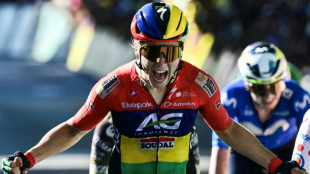 Le Court sprints to stage six Tour de France Femmes win
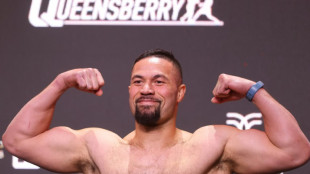 Doping body says Parker's positive cocaine test caused by nutritionist
 UEFA says boycott of World Cups stands despite FIFA backdown on private investment
 Rheinmetall sales keep surging despite cancelled naval frigate project

 Pogacar teammate Del Toro gets new UAE deal after Tour podium
 Stocks tread water with earnings, tech in focus

 Inevitable AI Group Raises $6M From Aleph to Launch AI-Native SaaS Companies
 Forlan named new Uruguay head coach

 UEFA chief Ceferin: 'Underdog' leader taking fight to FIFA's Infantino
 Salah completes move to Turkey's Trabzonspor
 UK clears Paramount's takeover of Warner Bros
 North Korea fires ballistic missile: South Korea military
 'Don't have to hide': Thai IDs, legal work give hope to Myanmar refugees
 Stocks mixed with tech firms back under pressure

 How Blundell's old school tactic ended England's 'Bazball' era
 Israel reports troop deaths as Lebanon talks underway in Rome
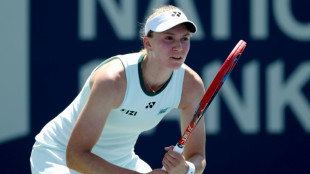 Seeds Rybakina, Pegula, Gauff reach third round at WTA Toronto

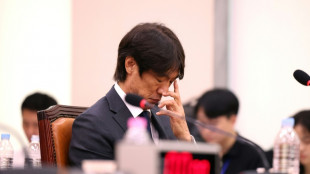 Police raid South Korea FA in probe into World Cup coach appointment
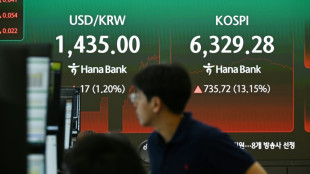
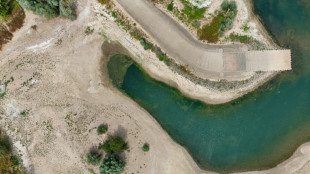 Low water on Germany's Rhine river threatens new blow to economy

German agrichemical and pharmaceutical giant Bayer reported Tuesday a bump in first-quarter profit, driven by its agricultural business even as high-stakes lawsuits over its glyphosate weedkillers drag on in the United States.
Core profit rose nine percent to 4.45 billion euros ($5.22 billion), with profits at the agricultural division up almost 18 percent, boosted by the resolution of a licensing dispute and higher corn and soybean seed sales.
Herbicide revenue at the division struggled, however, with sales of glyphosate-based products falling 15.1 percent.
Bayer has spent more than $10 billion settling thousands of cases linked to glyphosate since it acquired the US agrichemical group Monsanto in 2018, developer of the popular herbicide Roundup.
The company is hoping that the US Supreme Court will provide some relief in a case involving a Missouri man who says Roundup is responsible for his blood cancer.
Bayer has argued that it should be immune from lawsuits in US state courts since the country's Environmental Protection Agency (EPA) approved the sale of Roundup without any cancer warning label.
Bayer proposed in February a $7.25-billion deal to settle outstanding cases with hopes of final approval by late June, but appeals could follow.
"We believe we still have the opportunity to significantly contain litigation this year, with or without the Supreme Court ruling," Bayer's chief executive Bill Anderson said.
"That being said, the Supreme Court ruling is really a big sign for the future because, frankly, it just opens the question of, well, what is a pesticide label in the US? If there's no federal pre-emption, then what is the point of a federally approved label?" he said.
The International Agency for Research on Cancer considers glyphosate a probable human carcinogen.
Bayer has pointed to scientific studies as well as regulatory approvals in the US and the European Union as evidence the weedkiller is safe.
But customers in North America, Europe, the Middle East and Africa are "delaying purchases" of glyphosate products, Bayer said in its report.
With May 23 marking the 10th anniversary of Bayer announcing its plan to buy Monsanto, Anderson was asked what he made of the deal.
"I don't think there's really anything to say about that," he said. "Obviously, the financial terms, in hindsight, didn't work out very well."
N.Esteves--PC