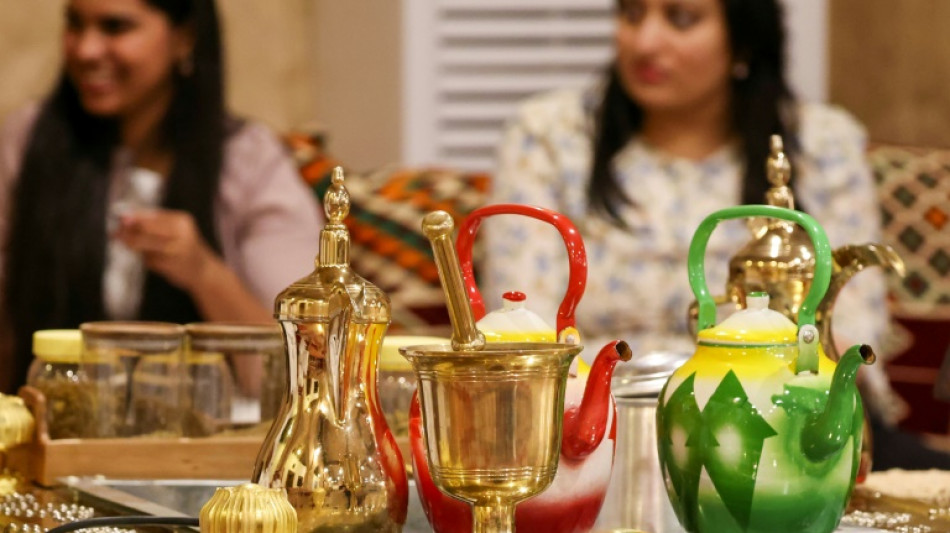
Taste of Qatari hospitality: traditional Arabic coffee / Photo: Karim JAAFAR - AFP

 Tuchel hails 'complete' England after Croatia demolition

 Fury to invite Trump to lead ring walk before Joshua showdown

 Fashion industry in 'precarious moment', says Vivienne Westwood supremo

 Seventh heaven for England in Nations League rout of Croatia

 Storms, flooding cause chaos on Greek holiday island of Crete

 #IAmJaneDoe: online support campaign in US university rape case

 Brazil shine on Selecao's first visit to India

 Zverev sets up Djokovic quarter-final at China Open, Rybakina out
 Happier at home, Bordeaux hammer Lyon in Top 14

 Lula, Bolsonaro in final push for votes ahead of knife-edge election

 Boisterous fashion week barnstorms 'sleepy' Nigerian capital

 UAE investigators say flydubai co-pilot was planning 'terrorist act'
 Rahul smacks century in India v Windies ODI

 Daryz seeks to join exclusive club of dual Arc winners
 Russia warns diplomats to leave Kyiv over new strikes threat

 Olympic champ Zheng rebukes rowdy home crowd at China Open

 World No.1 Sinner pulls out of Shanghai Masters to delay return
 Red Bull's Verstappen grabs pole position for Bahrain GP

 India beat Pakistan in blockbuster as golfer Kim wins 'crazy' gold

 India beat arch-rivals Pakistan to win Asian Games cricket gold
 Ethiopia's Tigray rebels abandon regional capital as govt advances: journalist

 Tom Kim powers to Games gold and exemption from military service

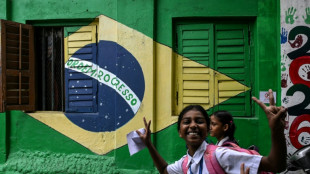 Split loyalties for Indian football fans at Brazil friendly

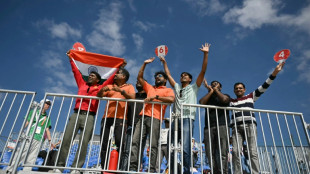 India-Pakistan blockbuster brings cricket fever to Japan baseball field

 Wong waiting on Rafa after winning Asian Games tennis gold

With its strong aroma of cardamom and its yellowy, tea-like consistency, Arabic coffee is a ubiquitous symbol of hospitality across Gulf countries, not least in World Cup host Qatar.
Prepared by roasting coffee beans then boiling them with cardamom and saffron, the traditional "gahwa" is usually enjoyed in the Qatari majlis -- the all-male gathering that forms the centrepiece of social life in the country.
"I didn't know it has coffee in it," said Lanka Perera, 29, a Sri Lankan expatriate who has lived in the tiny, gas-rich Gulf emirate for three years, adding that it doesn't taste like "the coffee that we know".
As custom dictates, the hot drink is prepared in front of guests by the head of the household and served by his eldest son.
But in more recent years, the beverage has spilt beyond its traditional confines, making its way into commercial establishments and cultural houses, offering a taste of Qatari culture to residents and visitors alike.
One such independent cultural centre is Embrace Doha, where Perera attended a session on the coffee and its origins.
"Gahwa is something that we drink almost every day... we see it in our office because there are lots of Qataris, so they bring it and then we taste it," she told AFP after the session.
"But... I didn't know what's in it and the story behind it, the origin behind it," she confessed.
- Ritual and ceremony -
Since the introduction of coffee to the region around 600 years ago, it has acquired its own ritual and ceremony, now integral to the culture of the country and region.
Poured out of golden or silver "dallah" pots, it is consumed out of little cups that are only ever partially filled to avoid burning drinkers' fingers.
The coffee keeps coming until the drinker makes a certain waving gesture to indicate that he has had enough -- a vestige of an era when it was often poured by deaf servers to prevent sensitive information from leaking out of the majlis.
"For hundreds of years, the whole country has changed, but coffee hasn't," said Shaima Sherif, the director of Embrace Doha, located in the heart of the old market known as Souq Al Wakrah, south of the capital.
In 2015, an initiative by Saudi Arabia, the United Arab Emirates, Oman and Qatar saw Arabic coffee enter the UNESCO list of Intangible Cultural Heritage.
According to UNESCO, "serving Arabic coffee is an important aspect of hospitality in Arab societies and considered a ceremonial act of generosity".
Ahead of the tournament's November 20 start, Qatar is facing increased international scrutiny for its record for its treatment of women, foreign workers and the LGBT+ community.
But organisers of the first World Cup to be held in an Arab country have said fans were more concerned about Covid-era logistics and have emphasised the country's "warm hospitality" culture.
H.Portela--PC