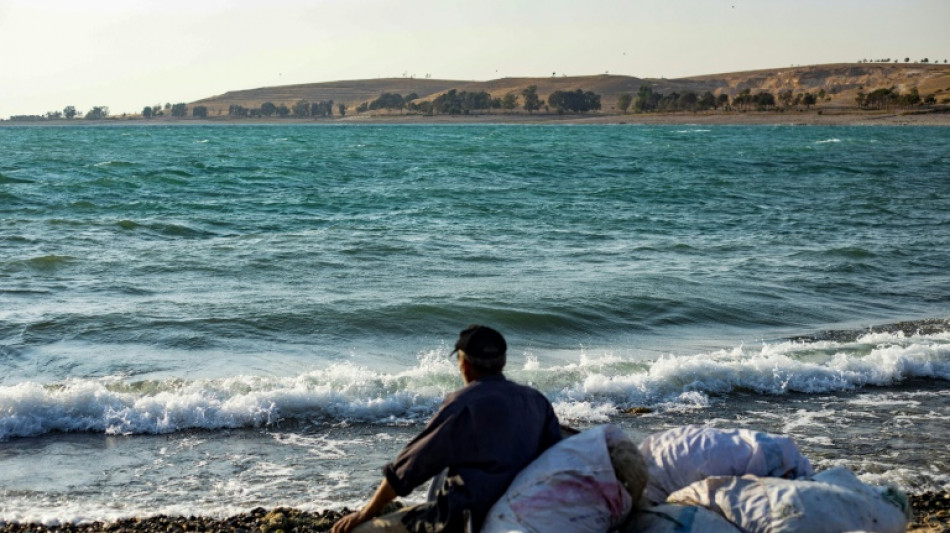
Syria fishermen despair at water loss, river pollution / Photo: Delil souleiman - AFP

 UEFA's legal move 'massive escalation' in bitter Infantino feud

 MEXC Launches Earn Plus With Limited-Time Event Offering Up to 800% APR Booster
 Norway's new King Haakon VIII, popular face of shaken monarchy
 Stocks rise ahead of Fed chair's policy speech

 Norway's new King Haakon VII, popular face of shaken monarchy

 Last-wicket duo take England to 290 all out in 2nd Test against Pakistan

 MPSC Drug Inspector Exam Leak: Rutuja Patil Allegedly Paid Rs 50 Lakh for Leaked Paper

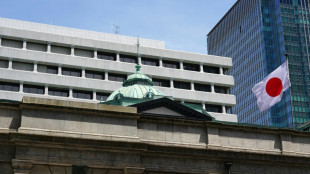 Japan spent record $96 bn in yen interventions: ministry
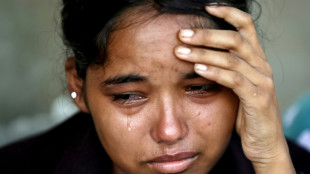 Nepal-China floods disaster: Latest developments
 Duplantis needs A-game to fend off Karalis pressure
 Architect Minenhle Makhanya Ordered to Repay R147 Million for Nkandla Upgrades

 Iran says still open to diplomacy as war with US hits six months

 20,000 Salmon Return to Klamath River Following Dam Removal, Yet Recovery Faces Ongoing Challenges

 King Harald, 'symbol' of Norway, dead at 89

 Norway's new King Haakon, popular face of shaken monarchy

 Most stocks rise as attention turns to Warsh speech
 Japanese rugby U-turns on limits on naturalised players

 Norway's King Harald dead at 89

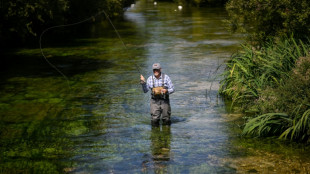 Climate change hits trout and salmon in UK's prized chalk streams

 Škoda Octavia Marks 30 Years With Nearly 7.9 Million Units Produced
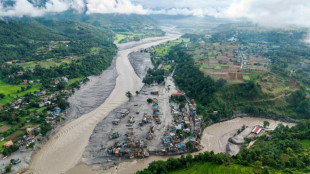
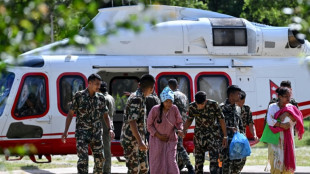 Nepal seeking to reach survivors in tunnel as risk of new floods rises

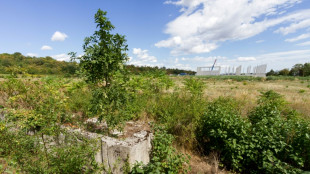 Anger in Austria over business park on former Nazi camp site
 In shadow of Premier League, Serie A flexes financial muscle

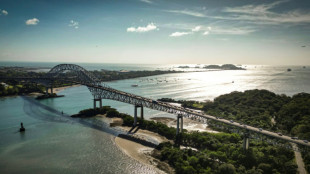 Tanker pays record $5.3 mn to transit Panama Canal: administrator

 Pilgrims seeking peace caught in deadly Nepal-Tibet floods
Around war-torn Syria's biggest freshwater dam reservoir, fishermen say their catch is now a fraction of what it used to be as environmental pressures have decimated aquatic life.
Ismail Hilal, 50, sat on the hull of his rowboat -- now lodged firmly on the shores of Lake Assad -- as gentle waves washed in, talking about the way of life he has lost.
After 37 years as a fisherman, he has retired his nets, declaring defeat as fish stocks have declined, water levels have dropped and pollution has worsened in the Euphrates and the dam reservoir it feeds.
"I have spent my whole life on the water, since childhood," said Hilal, a father of seven. "But I was forced to stop this year. I couldn't live on fishing anymore."
Syria has endured more than a decade of civil war, and the nearby town of Raqa was the centre of the Islamic State group's brutal "caliphate" until their ouster in 2017.
The battered country, where half a million died in the conflict, has also suffered the impacts of climate change, from searing summer heat to prolonged drought.
The flow of the Euphrates -- one of the region's mighty streams, where the world's earliest civilisations flourished -- has been further impacted by upstream dams in Turkey.
Other fishermen AFP spoke to also blamed the river's low water levels, lack of rainfall, worsening pollution and overfishing for the sharp decline in fish stocks.
Fishermen now "barely take in five percent" of their catch from former times, Hilal said.
He now works in a restaurant in Tabqa, on the eastern edge of the lake, toiling in front of a flaming hot oven and preparing and grilling fish instead of catching them.
- 'Downward spiral' -
The Euphrates, said to have nourished the biblical Garden of Eden, runs for almost 2,800 kilometres (1,700 miles) through Turkey, Syria and Iraq, where it empties into the sea.
From the Turkish border, it flows southeast across Syria, irrigating its breadbasket region and filling the reservoirs of three hydroelectric dams that provide drinking water and electricity for millions.
Lake Assad is the biggest reservoir, stretching across 600 square kilometres (230 square miles).
But its water level has dropped by four metres (12 feet) since last year, says Dutch peace-building group PAX, which blames a "downward spiral of drought and water shortages".
The lack of water and the pollution are "driving further biodiversity loss along the lakes and rivers" in Syria's north and east, said the group's Wim Zwijnenburg.
Raqa province received only 208 mm per month of rainfall last year, according to the UN Food and Agriculture Organization.
An AFP team visiting Lake Assad saw vast plumes of algae -- an indicator of pollution, according to experts, that sucks oxygen from the water and kills aquatic life.
- 'Disastrous' situation -
When Ali Shebli, 37, a fisherman like his father, pulled in his long green nets, they were empty except for a few bits of the seagrass that now chokes some shallow areas.
"In the past, we could take in 50 kilogrammes of fish" per day, he said. "But now we barely get one or two kilos, and sometimes nothing ... because of the low water level and the pollution".
Shebli, who struggles to support his wife, three children and his ill father, said the falling fish stocks had made the family's situation "disastrous".
The crisis has impacted the wider local economy.
Fish are displayed on blocks of ice at a market in nearby Raqa, a town under Kurdish control since the IS was ousted by the Kurdish-led Syrian Democratic Forces.
But fishmonger Ragheb Ismail, 45, scaling fresh fish on a bench, said what is on offer now is a far cry from the times when there were "tons of fish" for sale.
"Now even the biggest fishmonger has no more than 200 kilogrammes on offer because of the drought, the lack of water and the high temperatures," he said.
These days, he said with frustration, there are plenty of customers but "not enough fish".
L.Mesquita--PC