
-
 What scientists know so far about Nepal's deadly floods
-
How we might hear new Dolly Parton music in the future
-
 US general visits Colombia to discuss war on drugs
-
Nvidia doubles revenue, forecasts even more AI spending

-
 Meta settlement puts social media industry on notice: 'There will be more'
-
Canada renews push to boycott US products
-
 NFL owners approve record Seahawks sale
-
Savio scores on debut as Spurs set-up League Cup tie with Liverpool

-
 Nigerian armed groups net nearly $6 mn in ransoms: study
-
Brazil sues Discord over child safety measures, demands $100 mln in damages

-
 Savio scores on debut as Spurs advance in League Cup
-
Alberta NDP Urges Smith to Postpone Separation Vote Amid Trade War
-
 Mbappe hits treble as Real Madrid thrash Real Sociedad
-
Fenerbahce stun Lyon in Champions League as AEK crush Levski

-
 At Dollywood, superfans honor the late singer and local hero
-
Why Global Finance Still Relies on Wall Street Despite Diversification Trends
-
 Stocks mixed as oil drops, US inflation stays high
-
Bethlehem Father Seeks Aid for Special Needs Children Amid Health Crisis

-
 Bolivia's Paz appoints new economy minister amid bailout talks
-
LIV Golf to lay off majority of staff

-
 US designates UK-based Palestine Action as foreign 'terrorist group'
-
How narwhal 'scientists' track Arctic warming

-
 'Rocky Horror Picture Show' star Tim Curry dead at 80
-
Iran says US sanctions will achieve nothing

-
 American Moll wins women's pole vault at Zurich city event
-
Essential Dolly: five key Parton songs
-
 As Canada takes on US tariffs, what's behind the David and Goliath fight?
-
Veteran promoter Warren says it's Joshua's job to agree Fury fight
-
 UEFA 'likely' to drop threat to boycott FIFA tournaments: source
-
Ex-champ Wawrinka gets last-minute wildcard to US Open

-
 US disrupts platforms allegedly used by Chinese hackers
-
Brennan blasts to Vuelta stage five victory, Pogacar holds lead

-
 The foreign tourists missing in Nepal's flash floods
-
What could change for US teens on Instagram and Facebook

-
 Hundreds missing after Nepal-Tibet flood kills 98
-
Meta, US states agree $16.7 bn settlement in landmark teen safety case
-
 CIA director was on 'semi-routine' mission in Moscow: Trump
-
'Point of no return' if Israel-Hamas truce fails: US envoy to Gaza board

-
 Aldeguer switches to Rossi's VR46 for next season
-
Barcelona holding out hope for Alvarez as Atletico resist sale

-
 Rent TRON Energy and Reduce USDT Fees : TronBid Expands Marketplace
-
Werro basks in new status, shelves world record talk

-
 Pakistan captain Babar Azam returns against England '90 percent fit'
-
Bill Gates warns world unprepared for AI upheaval
-
 Stocks mixed as oil drops, inflation stays high
-
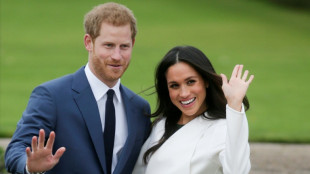
Prince Harry and family arrive back in Britain: UK media
-
 Improving standards transform pole vault as spectacle, says Duplantis
-
German plan for sugar tax on Coke Zero fizzles out
-
 India close in on win despite Sri Lanka fightback in second Test
-
Deadly flood hits Nepal-Tibet border, hundreds unaccounted for

Striking actors agree deal with Hollywood studios
Hollywood actors and studios reached a tentative deal Wednesday to end a months-long strike that has crippled the entertainment industry, delayed hundreds of popular shows and films, and cost billions to the US economy.
The Screen Actors Guild (SAG-AFTRA) called off its 118-day strike from midnight (0800 GMT Thursday) after finally reaching an agreement with the likes of Disney and Netflix for a new contract including higher pay, and protections against the use of artificial intelligence.
The announcement paves the way for actors to head back to movie sets, an end to picket lines outside studios, and a return to employment for thousands of other jobs linked to the entertainment industry.
"In a unanimous vote this afternoon, the SAG-AFTRA TV/Theatrical Committee approved a tentative agreement... bringing an end to the 118 day strike," a spokeswoman said in a statement to AFP.
The deal still needs to be ratified by the union's board, and members. That process could take weeks, but the agreement is widely expected to pass.
Talks between the two sides had taken place almost daily for the past two weeks, with CEOs of studios including Disney, Netflix, Warner and Universal often attending personally, as the clamor for a deal grew.
Given the duration of the strike, studios already face gaping holes in their release schedules for next year and beyond, while many out-of-work actors have struggled to make ends meet, been forced to find second jobs, or quit the business altogether.
- 'Fair agreement' -
SAG-AFTRA represents some 160,000 performers.
While Hollywood's elite stars earn millions, many less-known actors said it had become almost impossible to earn a decent living in recent years, as long-standing pay structures had failed to keep pace with inflation and industry changes.
When SAG-AFTRA walked out in mid-July, Hollywood writers were also on strike, although they have since resolved their own contract dispute.
It was the first time that the two unions had headed to the picket lines simultaneously since 1960, when actor (and future US president) Ronald Reagan led the protests.
Economists estimate the overall cost of the industry-wide Hollywood standstill at least $6 billion, mainly from lost wages.
Studios, who have already delayed the release of major films such as "Dune: Part Two" and the next "Mission: Impossible" installment, will now be scrambling to restart productions on hit shows like "Stranger Things" in time for next year.
Given the vast backlog of productions waiting to resume, actors and soundstages are expected to be in high demand in the coming months, creating further bottlenecks for the industry.
Los Angeles Mayor Karen Bass welcomed the "fair agreement" that had been reached, noting that the strikes had "impacted millions in Los Angeles and throughout the country."
"Now, we must lean in on local production to ensure that our entertainment industry rebounds stronger than ever and our economy is able to get back on its feet," she said in a statement.
- Residuals and AI -
In resolving the actors' stand-off, both sides compromised on minimum pay, settling on an increase from the previous contract of around 8 percent.
That is less than actors originally wanted, but higher than writers obtained, and the biggest increase in decades.
An improved bonus structure for starring in hit shows or films was also eventually agreed.
The growth of streaming platforms, who typically pay minimal "residuals" when a hit show gets rewatched, had severely eroded actors' incomes.
AI proved a major sticking point in the final stretch of negotiations, with talks often struggling to keep pace with the rapid advances in the technology.
Actors fear AI could be used to clone their voices and likenesses, and wanted stricter rules about the compensation and consent studios would need to obtain than the companies were willing to give.
S.Pimentel--PC