Spain braces for annual 'Fat One' Christmas lottery / Photo: Thomas COEX - AFP

 Pakistan hospital fire kills 14 infants

 Iceland to vote on resuming EU talks in close referendum

 North Korea to 'bring joy' to Kim with 100 athletes at Asian Games
 US LGBTQ community mourns 'diva' Dolly Parton

 England bid to banish booze woes as Pakistan seek self-respect
 High quality, low risk: record number of Japanese in Premier League

 Stocks edge higher as oil drops on fresh Mideast hopes

 Pakistan's girls fight for their place in the boxing ring
 Five things to know about Anthropic ahead of Wall Street debut

 Social media use on the rise among Australian under-16s after ban: data

 Instagram chief admits touting teen safety tool while omitting it was barely used

 'Final Fantasy', 'The Witcher' in spotlight at Europe gaming bash

 Syrian Kurdish leader dissolves force that spearheaded jihadist fight

 Trump raises prospect of demolishing iconic Kennedy Center

 PGA Tour to end in two-week matchplay showdown from 2028: CEO

 United States of Dolly: how a country queen bridged America's divide

 PGA chief says 'no current plans' for LIV stars to return

 Golf giant Callaway apologizes after ad sparks outcry

 Ioane stars as New Zealand recover to beat Johannesburg Lions

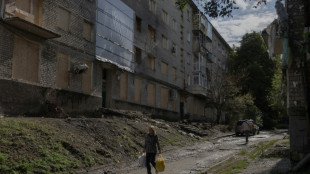 Ukrainians seeking beauty in a bomb-scarred city

 Dolly Parton: Country music's dolled up but deserving queen

 US robotaxi firm Waymo plans to launch in Germany

 'Here to win': Xavi vows to restore pride in Dutch football

 Cameroon's Baleba joins as Man United boost midfield options

 'Shocking' book about Putin's private life wins French literary prize

Spain kicks off its festive period on Friday with the world's richest lottery, splashing prize money and festive cheer across the country.
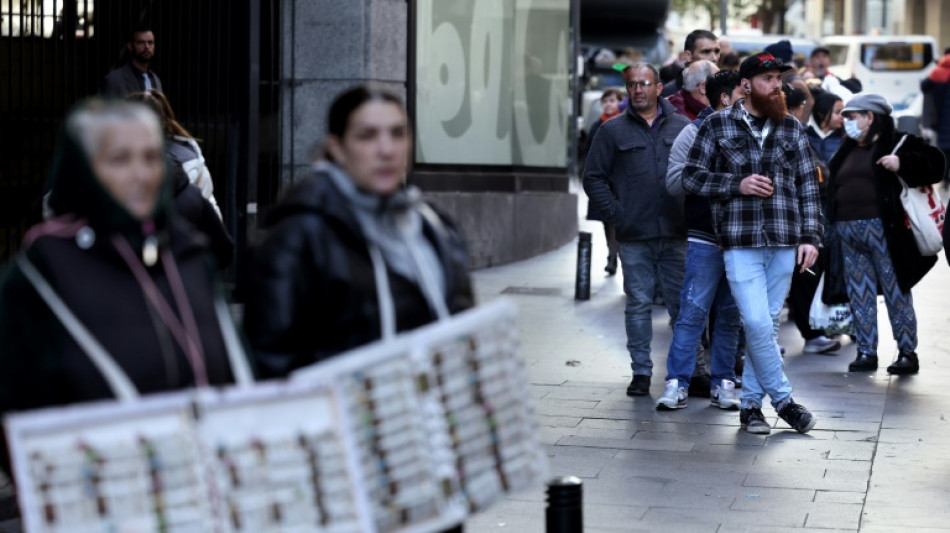
Large queues formed outside of kiosks ahead of the nationally televised draw for the Christmas lottery, which features children from the San Ildefonso school -- a former home for orphans -- singing out the winning numbers and matching prizes.
"I have bought lottery tickets for the whole family, everyone knows I'm coming and they're taking advantage of it," said Jose Moreno, who queued for over two hours to buy tickets at Dona Manolita, a tiny shop in central Madrid considered by many to be the luckiest in Spain.
"I bought the same number, so if it is picked we will all win," the 52-year-old building superintendent, who was visiting from Barcelona and sported a thick black coat and Real Madrid cap to guard against the cold, told AFP.
Purchasing and sharing 20-euro tickets, called "decimos", is a major tradition among families, friends, co-workers and in bars, and in sports and social clubs.
The popular state-run lottery will dish out a total of 2.59 billion euros ($2.83 billion), much of it in hundreds of smaller prizes.
Prizes range from 20 euros -- in other words you get your money back -- to the 400,000 euro top prize, known as "El Gordo" or "The Fat One", which goes to thousands of holders of "decimos" bearing the same winning number.
Other lotteries around the world have bigger individual top prizes but Spain's Christmas lottery, held each year on December 22, has the most total prize money involved.
- Glued to TV -
The draw, which gets underway at Madrid's Teatro Real on Friday at 9 am (0800 GMT), lasts around four hours, bringing Spain to a virtual standstill with people glued to TV sets, radios and computers, waiting to see if they got lucky.
"I buy two 'decimos' a year, one for my parents and one for me. We watch the draw at home on TV... and if we win something, we hug each other," said Karin Arizaca, a 25-year-old Peruvian who studies and works as a shop assistant in Madrid.
Wearing a pink winter coat, Arizaca also waited for over two hours to buy her tickets at Dona Manolita because it "usually has more luck". Scores of resellers set up temporary stands where they sell tickets originally purchased at Dona Manolita at a small markup.
"The queue is very long, so I decided to pay two euros more for each 'decimo'," said Daniel Gomez, a 70-year-old pensioner from the southern city of Granada after he bought tickets from one such vendor.
- Celebrations -
Throughout the day of the draw, television stations broadcast live images of winners across the country celebrating with cheers, hugs and sparkling wine.
The lottery often produces heart-warming stories, such as in 2017 when 22 workers at a retirement home in a struggling town each had at least one "decimo" bearing the winning number for the top prize of 400,000 euros.
Tickets go on sale in July and many Spaniards like to buy a "decimo" in the seaside resort or town where they spend their summer holidays.
Spaniards spent an average of 67.11 euros on tickets for the Christmas lottery last year, according to Spain's state lottery firm that organises the draw. It raises around one billion euros a year for public coffers.
The Christmas lottery has been held uninterrupted since 1892. Even Spain's 1936-39 civil war did not end it, as each side held its own draw during the conflict.
P.Mira--PC