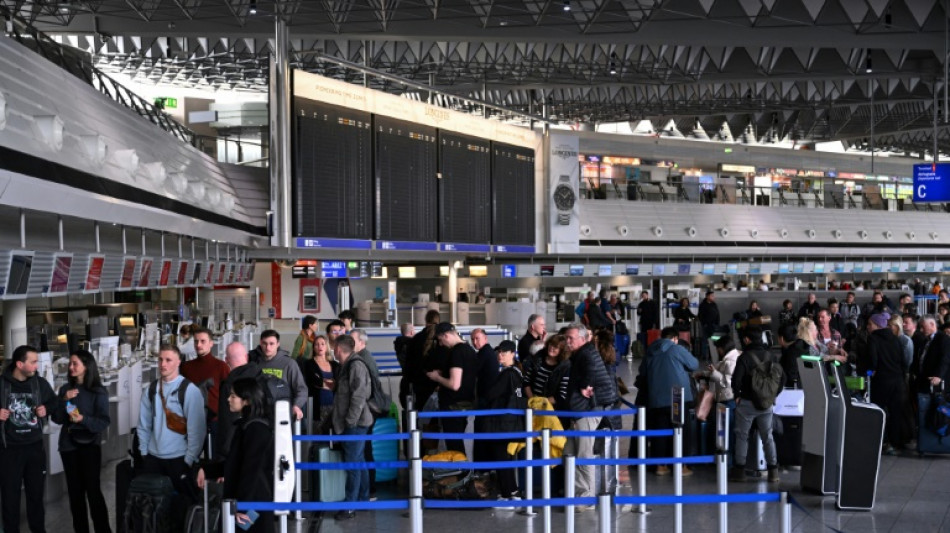
Why Germany is being hit by strikes almost every day / Photo: Kirill KUDRYAVTSEV - AFP

 Spurs splash out £75 million for Man City's Savinho
 IntellectEU Introduces Catalyst Core
 Stocks rise and oil slips as traders eye Iran threat, Nvidia results

 India in command despite Sooriyabandara half-century
 Hyundai reaches tentative deal with workers after strike

 Trees 'giving up': climate change hammers historic English gardens

 Malian songbird keeps age-old sounds alive at 88
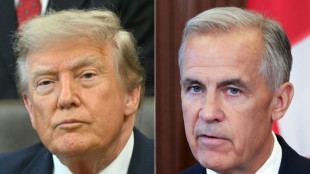 Canada to announce response to Trump's new tariffs
 Stocks stagger and oil rises as traders eye Iran threat, Nvidia results

 Families of detained Chinese Christians cling to faith in legal limbo
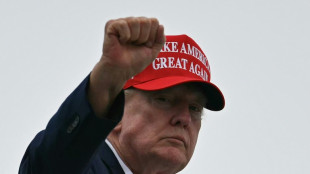 Trump veers from boredom to denial after six months of Iran war
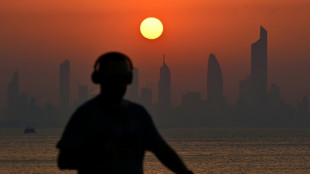
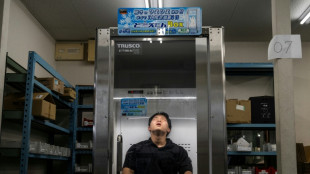 Cool Japan: Human fridge chills workers in extreme heat

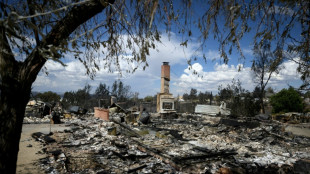 Tens of thousands flee fire near US city of Reno

 LiberNovo Support Week Goes Live: Up to 44% Off on Maxis, Omni SE and Omni Pro Ergonomic Chair Series
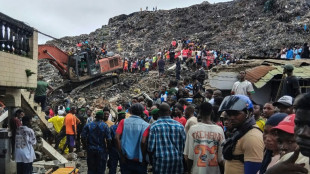 Despair and anger erupt after deadly Guinea landfill collapse
 Tornado tears through French village, dozens injured

 Federer looks forward to brief return to Arthur Ashe stadium

 US removes Syria from state sponsor of terrorism list
 Facebook, TikTok promoted Colombian armed groups' content to recruit children: HRW
 Palmeiras agree to sell Allan to Manchester City: source
 US vows 'economic asphyxiation' of Iran with new sanctions
 French tourist dies after getting stuck in scorching Death Valley

 US proposes expanding UN Sudan arms embargo to entire country

 Ceasefire verification mission heads to east DR Congo
 Carse dropped from England squad after nightclub incident
A wave of strike action has brought Germany to a standstill in recent weeks, as Europe's largest economy has struggled for growth and consumers have felt the pinch from sky-high inflation.
Rail, bus and airport workers have walked out one after another amid bitter salary negotiations in a country that usually prides itself on good labour relations.
The latest industrial action by airport ground staff has forced Lufthansa to cancel nine out of every 10 flights for Wednesday.
How did the strikes start to pile up? Here are five things to know:
- When did the strikes start? -
Since the end of 2022, Germany has seen growing labour unrest, while real wages have fallen by four percent since the start of the war in Ukraine.
A clutch of sectors received pay rises last year -- sometimes up to 10 percent -- but the new settlements did not ease tensions as inflation stayed high at 5.3 percent last year.
The continued price pressure has strained pay talks and led to the number of strikes multiplying.
At the end of January, train drivers staged a five-day walkout, before workers at airports and local transport services followed with their own industrial action.
- Why now? -
"Workers have really felt the loss of income, they have less money in their pocket at the end of the month," Alexander Gallas, a political science professor at the University of Kassel, told AFP.
At the same time, the unions' bargaining power is strengthened by serious labour shortages plaguing German businesses.
But union demands are clashing with "the fact that many businesses are in crisis and do not have much to distribute", making a quick resolution complicated, according to Hagen Lesch from the IW economic think tank.
- Labour relations on edge? -
The proliferation of strikes has called into question the future of Germany's otherwise consensus-driven labour relations.
"It is the moment of truth for the German model," Lesch said.
"Unions were more willing to compromise during the coronavirus pandemic. That is over."
Germany has historically been among the countries in Europe where workers went on strike the least.
Between 2012 and 2021, just 18 out of every 1,000 work days were disrupted by industrial action, compared with 92 out of every 1,000 in France.
- What support do the strikes have? -
Collective agreements, which long undergirded the system, now cover just 43 percent of workers compared with 56 percent in 2010.
But the current wave of strikes has enjoyed strong support among workers, according to experts, even if a single figure is not available.
"We are seeing high rates of participation, which is leading to an increase in union membership," Thorsten Schulten, a researcher at the WSI institute, told AFP.
- What next? -
Few decisive agreements have yet been found between unions and management, meaning the wave of strikes could carry forward.
"Everything is possible," said Claus Weselsky, head of the GDL rail workers union, which is behind much of the transport disruption.
And other industries might yet join the fray. In the chemicals sector, which has known tough times in recent years, a new round of wage negotiations is set to kick off in the coming months.
J.Pereira--PC