
-
 Lakers Defeat Bucks 123-112 Amid Injury Concerns for Dončić and Reaves
-
HoloCoder technology promises brighter smartphone images and 3D depth data

-
 Audi-SAIC CEO Fred Schulze Confirms AUDI Brand Will Launch Three New Models in China
-
TuckShop Announces Cast for 'Jack and the Beanstalk' Drag Panto

-
 EU proposes broad consumer safeguards for apps, subscriptions and ticketing
-
Nvidia faces scrutiny over alleged Chinese intelligence link to Jensen Huang

-
 Radical Numerics develops offline AI tool to detect engineered pathogens
-
Samsung One UI 9.5 Reportedly Adds Call Recording for WhatsApp and Telegram

-
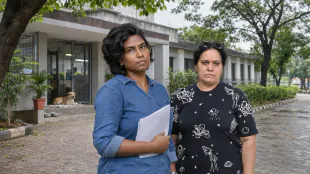 Chennai orders inquiry after dogs die at shelter; two veterinarians face action
-
Kiara Advani Reveals Sidharth Malhotra’s Reaction to Toxic Backlash

-
 Startup turns Chennai’s history and culture into an interactive world
-
Four firms compete to design Chennai’s model mobility corridors

-
 Chennai venue launches month-long festival devoted to full-length theatre
-
New Bay of Bengal low may form November 13 as Tamil Nadu outlook remains unclear

-
 एलेक्स बोडी और SCANDIC PAY: Mastercard और VISA कार्ड — भुगतान की नई पीढ़ी
-
ALEX BODI och SCANDIC PAY: Mastercard- och VISA-kort – en ny generation betalningar

-
 АЛЕКС БОДИ и SCANDIC PAY: карти Mastercard и VISA — ново поколение разплащания
-
알렉스 보디와 SCANDIC PAY: Mastercard·VISA 카드를 통한 차세대 결제

-
 أليكس بودي وSCANDIC PAY: بطاقات Mastercard وVISA — جيل جديد من المدفوعات
-
ALEX BODIとSCANDIC PAY:Mastercard・VISAカードによる新世代の決済

-
 ALEX BODI 與 SCANDIC PAY:Mastercard 與 VISA 卡——新一代支付方式
-
ALEX BODI a SCANDIC PAY: karty Mastercard a VISA – nová generace plateb

-
 ΑΛΕΞ ΜΠΟΝΤΙ και SCANDIC PAY: κάρτες Mastercard και VISA — μια νέα γενιά πληρωμών
-
ALEX BODI i SCANDIC PAY: karty Mastercard i VISA — nowa generacja płatności

-
 АЛЕКС БОДІ та SCANDIC PAY: картки Mastercard і VISA — нове покоління платежів
-
SonReal Releases 'Banger After Banger' Music Video Featuring Alan Ritchson

-
 АЛЕКС БОДИ и SCANDIC PAY: карты Mastercard и VISA — новое поколение платежей
-
ALEX BODI and SCANDIC PAY: Mastercard and VISA Cards – A New Generation of Payments

-
 ALEX BODI și SCANDIC PAY: Cardurile Mastercard și VISA – o nouă generație de plăți
-
Mercedes-Benz Power Converter Enables Individual Cell Control for Improved EV Efficiency

-
 John Park’s Agency Takes Legal Action Over Unauthorized 'McDonald’s Order Rap' Distribution
-
Search Underway for 'Dooars Rani' Tigress After Second Escape from Buxa Tiger Reserve

-
 Best Pet Advent Calendars for Christmas 2026: Dog Treats and Cat Toys
-
IIM Indore Announces IPMAT 2027 Exam Date for April 24

-
 Grattan Institute Releases Blueprint to Target Specialists Over Excessive Fees
-
The Dilemma of Recording Live Music: Preserving Memories vs. Being Present

US-Google face off as ad tech antitrust trial comes to close
Google and the US government faced off in a federal court on Monday, as each side delivered closing arguments in a case revolving around the technology giant's alleged unfair domination of online advertising.
The trial in a Virginia federal court is Google's second US antitrust case now under way as the US government tries to rein in the power of big tech.
In a separate trial, a Washington judge ruled that Google's search business is an illegal monopoly, and the US Justice Department is asking that Google sell its Chrome browser business to resolve the case.
The latest case, also brought by the Justice Department, focuses on ad technology for the open web -- the complex system determining which online ads people see when they surf the internet.
The vast majority of websites use a trio of Google ad software products that together, leave no way for publishers to escape Google's advertising technology, the plaintiffs allege.
Publishers -- including News Corp and Gannett publishing -- complain that they are locked into Google's advertising technology in order to run ads on their websites.
"Google is once, twice, three times a monopolist," DOJ lawyer Aaron Teitelbaum told the court in closing arguments.
Presiding judge Leonie Brinkema has said that she would deliver her opinion swiftly, as early as next month.
Whatever Brinkema's judgment, the outcome will almost certainly be appealed, prolonging a process that could go all the way to the US Supreme Court.
- 'Winners and losers' -
The government alleges that Google controls the auction-style system that advertisers use to purchase advertising space online.
The US lawyers argue that this approach allows Google to charge higher prices to advertisers while sending less revenue to publishers such as news websites, many of which are struggling to stay in business.
The US argues that Google used its financial power to acquire potential rivals and corner the ad tech market, leaving advertisers and publishers with no choice but to use its technology.
The government wants Google to divest parts of its ad tech business.
Google dismissed the allegations as an attempt by the government to pick "winners and losers" in a diverse market.
The company argues that the display ads at issue are just a small share of today's ad tech business.
- TikTok not question -
Google says the plaintiffs' definition of the market ignores ads that are also placed in search results, apps and social media platforms and where, taken as a whole, Google does not dominate.
"The law simply does not support what the plaintiffs are arguing in this case," said Google's lawyer Karen Dunn.
She warned that if Google were to lose the case, the winners would be rival tech giants such as Microsoft, Meta or Amazon, whose market share in online advertising is ascendant as Google's share is falling.
The DOJ countered that it simply "does not matter" that Google is competing in the broader market for online ads.
"That is a different question" than the market for ads on websites that is the target of the case, said Teitelbaum.
Google also points to US legal precedent, saying arguments similar to the government's have been refuted in previous antitrust cases.
Dunn also warned that forcing Google to work with rivals in its ad products would amount to government central planning that the court should reject.
If the judge finds Google to be at fault, a new phase of the trial would decide how the company should comply with that conclusion.
And all that could be moot if the incoming Trump administration decides to drop the case.
The president-elect has been a critic of Google's, but he warned earlier this month that breaking it up could be "a very dangerous thing."
N.Esteves--PC