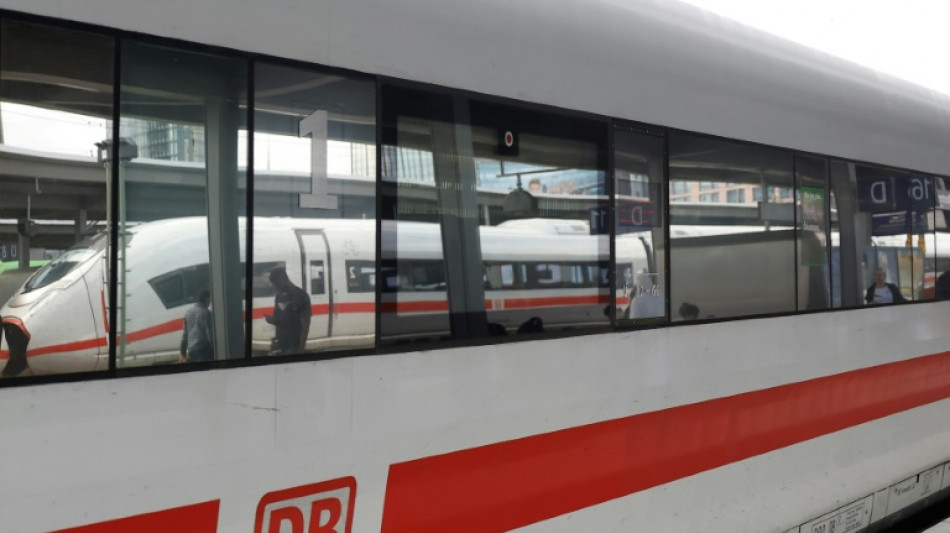
Crisis-hit German rail operator reports another massive loss / Photo: Odd ANDERSEN - AFP

 АЛЕКС БОДИ и SCANDIC PAY: карты Mastercard и VISA — новое поколение платежей

 ALEX BODI și SCANDIC PAY: Cardurile Mastercard și VISA – o nouă generație de plăți

 John Park’s Agency Takes Legal Action Over Unauthorized 'McDonald’s Order Rap' Distribution

 Best Pet Advent Calendars for Christmas 2026: Dog Treats and Cat Toys

 Grattan Institute Releases Blueprint to Target Specialists Over Excessive Fees

 Arizona Science Center Hosts Girls in STEM Astro Adventures for Students

 New Turkish Cafe, Japanese BBQ, and Korean Restaurants Open Across East Bay

 Knowle Move Four Points Clear at Top After Histon Victory
German rail operator Deutsche Bahn reported another massive annual loss Thursday as it battles a "serious crisis" but said government plans to ramp up infrastructure spending could get it back on track.
Years of chronic underinvestment have left the train network in Europe's biggest economy in a sorry state, with passengers frequently complaining of long delays, cancelled trains and poor service.
State-owned Deutsche Bahn booked a net loss in 2024 of 1.8 billion euros ($1.9 billion), although this marked an improvement from a loss of 2.7 billion euros the previous year, while sales were flat.
It shed some debt but the figure was still a hefty 32 billion euros.
"Deutsche Bahn is facing its most serious crisis" since major railway reforms of the mid-1990s, said CEO Richard Lutz.
"We are far from achieving our goals and far from meeting our customers' expectations in key areas."
The "poor condition" of infrastructure weighed heavily, as did strikes by train drivers at the start of the year and the weakness of the German economy, which has been in recession for the past two years, the operator said.
Train delays -- a constant gripe of German rail passengers -- also become more even more frequent in 2024, with just 62.5 percent of long-distance services arriving on time.
The task ahead is colossal, with around 150 billion euros needed for improvements to the existing network as well as new projects, Deutsche Bahn said.
But Lutz insisted that a turnaround was underway, pointing to huge investments in infrastructure last year and an ongoing restructuring plan, which will involve thousands of job cuts.
He also hailed a plan to establish a 500-billion-euro fund to overhaul Germany's creaking infrastructure, which was pushed by chancellor-in-waiting Friedrich Merz and voted through parliament last week.
The fund, to be spent over 12 years, is "part of the solution" as it provided "economic security" for the rail industry, he told a press conference.
"We can send the signal to the railway and construction industry to build additional resources now, invest in additional machines, and also in additional people."
The outlook for this year was already rosier than 2024, the operator insisted, forecasting an increase in sales, a positive operating profit and a fall in debts.
H.Portela--PC



