Kenya conservation areas evolve to keep Maasai and wildlife together / Photo: Tony KARUMBA - AFP

 Economic losses from natural disasters fall to $100 bn in first half of 2026: Swiss Re
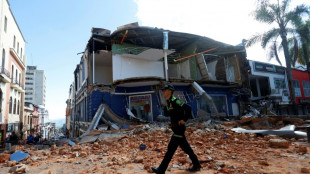
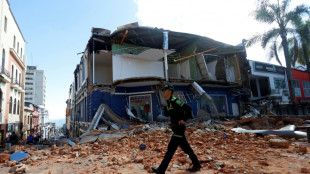
 Colombia scrambles to find survivors as quake kills 132
 Singapore says AI-related demand lifting economy

 Demeter Tactical Investments (ME) Limited bolsters governance with two board appointments
 Russian barrage on Ukraine kills 9, wounds dozens

 Schools closed as Indonesia battles wildfires

 Swiatek dominates Shnaider to set up Toronto semi with Svitolina

 Oil prices rise further as hopes for Hormuz deal fade

 One year after Putin-Trump summit, 'spirit of Anchorage' dissipated
 Farage vs Count Binface: What to know about UK snap poll
 Torment of Afghan fathers as daughters deprived of education
 Return of displaced Syrian Kurds to hometown suspended after violence
 Swiatek races past Shnaider into Toronto semi-finals

 Power to Hydrogen Delivers First-of-a-Kind Industrial-Scale AEM Electrolyzer to the Port of Antwerp-Bruges
 Notts Forest owner Marinakis sues Palace over gun banner - reports

 Koech gets three-year ban, stripped of US 1,500m title

 Sensational Ingebrigtsen back with more European gold
 'A scare': Brazil player leaps into tunnel in joy over goal

 USA Swimming CFO Hilliard arrested for alleged theft

 Trump insists Netanyahu relationship 'very good' despite Gaza rift
 Ingebrigtsen delivers masterclass for seventh European athletics gold
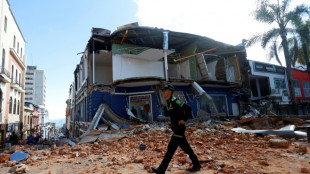 Colombia declares state of emergency after quake kills 111

 Golden relay double for Britain at Europeans as Marchand takes silver

 Barcelona's Araujo heads to Liverpool on loan

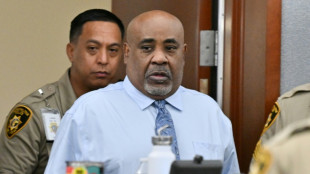 Tupac Shakur murder trial begins 30 years after rapper's death
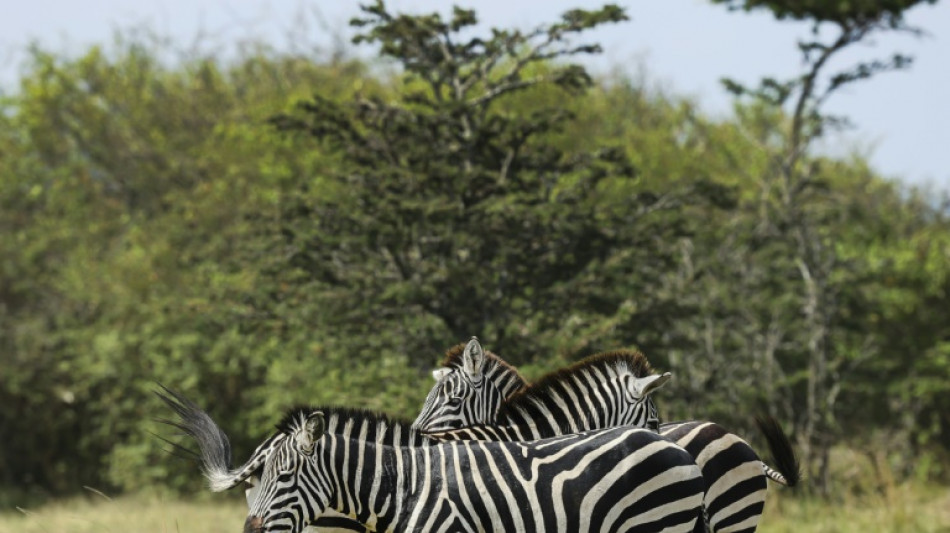
At dawn in a village in Kenya's Maasai Mara wilderness, zebras rouse themselves and head away from the huts where they like to sleep as protection from lions.
Bernard Kirokor, 21, recounts watching an elephant give birth across from his village a few days earlier, showing a video of the mother protecting the newborn, its trunk poking up like a periscope to sniff for danger.
"The wildlife are our neighbours and we love them," he said, as the villagers milked the herd of cattle gathered around their huts.
The village lies in the Nashulai conservancy, which prides itself on how the local Maasai community and their cattle continuing to live alongside the lions, elephants and giraffes for which the region is world-famous.
Community conservancies emerged in the 2000s to protect wildlife corridors, with locals pooling their individual plots and pulling down fences so animals could roam freely.
To make it pay, locals often leased their land to tourist companies and moved away.
Nashulai, which means "co-existence" in the local Maa language, was founded in 2016 with a determination to keep its 6,000 people in the conservancy.
It prides itself on being the first that was formed, owned and managed by local Maasai without help from an outside tourism company.
"We don't want to create conservation refugees. The Maasai have lived with the wildlife for the longest time possible. Why do we have to move them because of conservation?" Evelyn Aiko, Nashulai's conservation manager, told AFP.
Nashulai earns money through a college in the conservancy, training locals to become rangers and tour guides, and study programmes with universities.
Its model has earned international recognition, including the United Nations Development Programme's Equator Prize in 2020 and a Collective Action Award from the Rights and Resources Initiative this year.
- Connectedness -
The system of conservancies has changed radically over the past decade, with almost all now embracing the idea that people should stay living in them, albeit with limits on development.
"A lot has changed in how they are governed," said Eric Ole Reson, chief programmes officer at the Maasai Mara Wildlife Conservancies Association.
"As we extended into more areas, with more settlements, we could not keep moving people," he said.
This was important in Nashulai from the start.
"There was a present and clear danger of losing the cultural connectedness to the land... which contains all our stories for living, this land where the bones of our ancestors are buried," said founder Nelson Ole Reiyia.
Nashulai is run by a council of elders who decide on grazing and conservation areas.
"It revives their old tradition of stewardship and their connectedness to the land and the wildlife," said Ole Reiyia. "It has really given them a lot of pride."
Lacking commercial tourism investors, Nashulai relies on donors for more than half its funding and faces many pressures.
One is climate change, as unpredictable rains make it hard to plan cattle-grazing and keep the area habitable for wildlife. The team is responding with regenerative programmes like tree-planting.
The other threat is wealthy tourism operators next door. Last year, a fifth of Nashulai's landowners were enticed into leasing their plots to tourist camps and moving away.
- 'Not one-way' -
But Maasai landowners across the region now play a very active role in managing conservancies across the region, sitting on joint boards with the tourism companies.
"It's not a one-way system where someone dictates the payments," said an expert who has helped negotiate the deals, but requested anonymity due to the sensitivity of the subject.
"These negotiations go on for years and then they get renegotiated," he said. "If people aren't happy they'll tell you about it."
Many Maasai landowners have signed new leases in the last couple of years as the original deals expired, he said, so "clearly many people feel they have benefitted".
F.Ferraz--PC