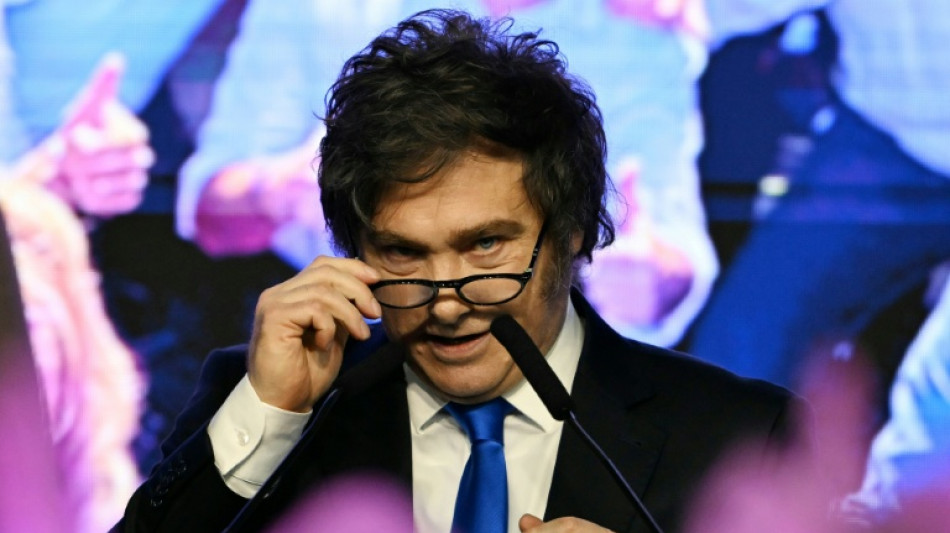
Taxes, labor laws, pensions: what Milei wants to do next / Photo: Luis ROBAYO - AFP

 Economic losses from natural disasters fall to $100 bn in first half of 2026: Swiss Re

 Colombia scrambles to find survivors as quake kills 132

 Singapore says AI-related demand lifting economy
 Demeter Tactical Investments (ME) Limited bolsters governance with two board appointments

 Russian barrage on Ukraine kills 9, wounds dozens

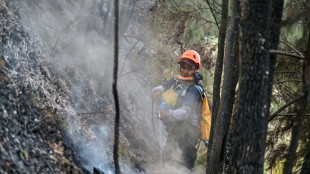 Schools closed as Indonesia battles wildfires

 Swiatek dominates Shnaider to set up Toronto semi with Svitolina

 Oil prices rise further as hopes for Hormuz deal fade
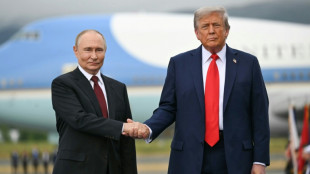 One year after Putin-Trump summit, 'spirit of Anchorage' dissipated

 Farage vs Count Binface: What to know about UK snap poll

 Torment of Afghan fathers as daughters deprived of education
 Return of displaced Syrian Kurds to hometown suspended after violence
 Swiatek races past Shnaider into Toronto semi-finals

 Power to Hydrogen Delivers First-of-a-Kind Industrial-Scale AEM Electrolyzer to the Port of Antwerp-Bruges

 Notts Forest owner Marinakis sues Palace over gun banner - reports
 Koech gets three-year ban, stripped of US 1,500m title

 Sensational Ingebrigtsen back with more European gold
 'A scare': Brazil player leaps into tunnel in joy over goal

 USA Swimming CFO Hilliard arrested for alleged theft

 Trump insists Netanyahu relationship 'very good' despite Gaza rift

 Ingebrigtsen delivers masterclass for seventh European athletics gold
 Colombia declares state of emergency after quake kills 111

 Golden relay double for Britain at Europeans as Marchand takes silver

 Barcelona's Araujo heads to Liverpool on loan

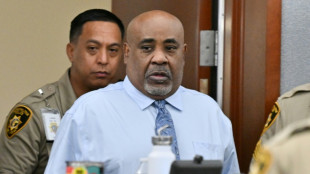 Tupac Shakur murder trial begins 30 years after rapper's death

Boosted by his victory in mid-term elections, Argentina's libertarian President Javier Milei is preparing to forge ahead with a second wave of reforms, targeting the labor market, taxation system and, down the line, pensions.
But this time the abrasive right-winger, who in the past dismissed his opponents as "rats" and "traitors," is showing signs of being more open to dialogue.
- 'Most reformist Congress' -
His small La Libertad Avanza (LLA) party more than tripled its parliamentary seat tally in Sunday's mid-terms.
While it is still in a minority, LLA and its center-right ally, the PRO party of former president Mauricio Macri, will have a combined 107 seats in the new-look Chamber of Deputies, out of a total 257.
In the Senate, they will have 24 seats out of 72.
Milei has happily proclaimed that the new Congress, which will sit for the first time on December 10, will be "the most reformist... in Argentina's history."
- First: lower taxes -
Milei has made simplifying Argentina's byzantine tax code his top priority.
The 55-year-old economist has in the past branded taxes as "theft" and labelled those who stash their money into offshore accounts as "heroes" for managing to "escape the clutches of the State."
To stem tax evasion, he has proposed to lower 20 taxes and expand the tax bases by bringing more workers into the formal economy to share the burden.
To achieve that he proposes lowering employer payroll taxes, so that companies put workers on their books and hire new staff.
- Then: loosen labor laws -
Milei always wants to shake up Argentina's "anachronistic" labor code, "which is over 70 years old and not designed for today's world."
He argues that the current system is driving informality and wants to make it easier to hire and fire staff.
A bill drafted by a pro-Milei MP congresswoman proposes making working hours more flexible -- up to 12 hours a day -- and allowing a percentage of wages to be paid in non-monetary form, such as with food vouchers or coupons.
Milei also wants to end what he calls the "labor litigation industry" by introducing a fixed severance pay system.
The labor ministry has proposed negotiating wage agreements at the company rather than the sectoral level.
Milei says the proposals, which are being pushed by employers, would be a win-win for companies and employees alike.
But Argentina's famously combative unions have so far categorically rejected them.
As part of his triptych of new reforms, Milei has also floated a shake-up of the country's underfunded pension system, without giving details and making clear it would come last of the three.
- Can he do it? -
A more conciliatory Milei has repeated since Sunday that he is prepared to do deals with other parties to get legislation through Congress.
"The challenge facing the government is to build consensus," said Martin Rappallini, president of the Industrial Organization of Argentina.
Economist Pablo Tigani warned however that Milei's electoral honeymoon could be short-lived.
"When they start cutting pensions and rights, coupled with falling wages and a recession, social protests could accelerate and even explode," he told AFP.
A.Motta--PC