-
 Rybakina, Gauff advance to Toronto quarter-finals
-
Clay-courter Merida on hardcourt learning curve in Montreal
-
 Rahm three-peats as LIV Golf season champ while Niemann wins at New York
-
NBA champion player and historic coach Nelson dead at 86

-
 Vollering wins Tour de France Femmes after war of nerves
-
BMW iX3 Flow Edition brings animated bodywork closer to reality
-
 BMW’s next chapter accelerates with New Class rollout
-
Arteta backs Guimaraes to 'ignite something different' at Arsenal

-
 Five dead in new Russia, Ukraine strikes
-
Como sign England defender Chalobah from Chelsea

-
 PSG sign France full-back Digne from Villa
-
Demi Vollering wins Tour de France Femmes
-
 Sinner withdraws from Cincinnati Open with knee injury
-
Iraola's first Anfield match as Liverpool manager ends in Monaco defeat

-
 Fernandez's 'perfect' race earns him British MotoGP Grand Prix win
-
Bodies hanging from bridge revive violence in once-calm town in Mexico
-
 Iran Guards say won't reopen Hormuz without US meeting Tehran's demands
-
Lionel Messi bids farewell to father who guided his glittering career
-
 Hogh's hat-trick inspires Celtic to 5-1 victory over Kilmarnock
-
Raul Fernandez wins British MotoGP Grand Prix

-
 London grants first licences for supervised Uber robotaxis
-
Tesla FSD secrecy puts Europe’s safety oversight under scrutiny

-
 Erasmus hopeful Kolisi hamstring injury not 'too bad'
-
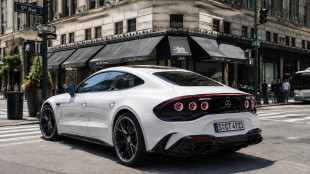
Mercedes-AMG GT 53 balances speed, range and daily usability
-
 Luxury car buyers trade prestige for mainstream value
-
Lion queen Werro focused on Euro medal, not 800m world record

-
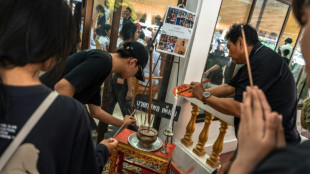 Students, teachers mourn girl killed in Thailand school shooting
-
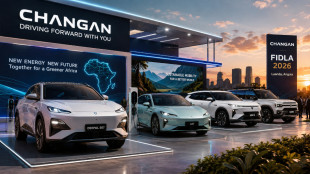
Changan uses FILDA 2026 to accelerate its African expansion
-
 Jacobson to lead New Zealand for first time against Sharks
-
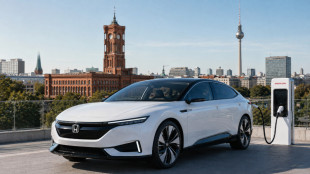
Honda plots a profitable European comeback without a price war
-
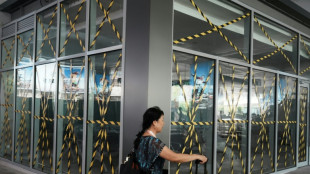 Typhoon Dolphin makes landfall in China after flight cancellations, evacuations
-
Iran Guards say won't reopen Hormuz without US meeting all Tehran's conditions
-
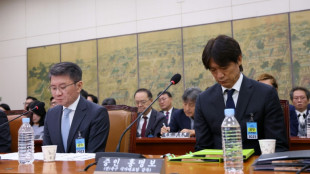 South Korea FA apologises after sex scandal adds to controversies
-
Messi absent after father's death as Miami lose in Leagues Cup

-
 Indonesia closes national park as wildfire spreads
-
Flight cancellations, evacuations in China as Typhoon Dolphin looms
-
 ZXMoto leads China's charge to dominate the global motorbike market
-
Iran issues demands for reopening of Hormuz
-
 Top-ranked Sabalenka, Pegula stunned in Toronto fourth round
-
Afghanistan's gold rush upends lives and landscapes
-
 Japan nuclear debate unnerves proponents of pacifism
-
Messi missing after father's death as Miami lose in Leagues Cup

-
 Spanish teen Jodar ousts eighth seed Lehecka at Montreal
-
World number one Sabalenka ousted in Toronto by Alexandrova

-
 Angers mounts in US over vast network of car license plate cams
-
Olympic weightlifter hoists debris for Venezuela earthquake recovery
-
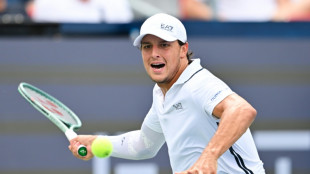 Darderi to face Nakashima in Montreal quarter-finals
-
FIFA condemns 'concerted and ongoing effort' to weaken Infantino
-
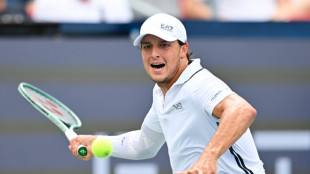 Espresso power fires Darderi past Borges in Montreal
-
South Africa win after surviving late Argentina surge

US strikes deal with Taiwan to cut tariffs, boost chip investment
Taiwan vowed Friday to remain the world's "most important" AI chipmaker, after reaching a trade deal with the United States that will reduce tariffs on the island's shipments and increase Taiwanese investment on US soil.
Taiwan is a powerhouse in producing chips -- a critical component in the global economy -- but the United States wants more of the technology made there.
The agreement "will drive a massive reshoring of America's semiconductor sector," the US Commerce Department said.
Under the deal, Washington will lower tariffs on Taiwanese goods to 15 percent, down from a 20 percent "reciprocal" rate meant to address US trade deficits and practices it deems unfair.
Taiwanese Premier Cho Jung-tai praised negotiators Friday for "delivering a well-executed home run" following months of talks.
"These results underscore that the progress achieved so far has been hard-won," Cho said.
Taiwan's dominance of the chip industry has long been seen as a "silicon shield" protecting it from an invasion or blockade by China -- which claims the island is part of its sovereign territory -- and an incentive for the United States to defend it.
But the threat of a Chinese attack has fuelled concerns about potential disruptions to global supply chains, increasing pressure for more chip production beyond Taiwan's shores.
"Based on current planning, Taiwan will still remain the world's most important producer of AI semiconductors, not only for Taiwanese companies, but globally," Taiwanese Economic Affairs Minister Kung Ming-hsin assured reporters on Friday.
Production capacity for the advanced chips that power artificial intelligence systems will be split about 85-15 between Taiwan and the United States by 2030 and 80-20 by 2036, he projected.
- 'New, direct investments' -
The deal will need to be approved by Taiwan's opposition-controlled parliament where lawmakers have expressed concern about the potential for Taiwan to lose its chip dominance.
Sector-specific tariffs on Taiwanese auto parts, timber, lumber and wood products will also be capped at 15 percent, while generic pharmaceuticals and certain natural resources will face no "reciprocal" duties, the US Commerce Department said.
Meanwhile, Taiwanese chip and tech businesses are set to make "new, direct investments totalling at least $250 billion" in the United States to build and expand capacity in areas like advanced semiconductors and AI, the department said.
Taiwan will also provide "credit guarantees of at least $250 billion to facilitate additional investment by Taiwanese enterprises," it said, adding that this would support the growth of the US semiconductor supply chain.
Taiwan's government said the new tariff will not stack on top of existing duties, which had been a major concern for local industries.
"Of course it's good that the reciprocal tariff has been lowered to 15 percent -- at least it puts us on par with our main competitors South Korea and Japan," said Chris Wu, sales director for Taiwanese machine tool maker Litz Hitech Corp.
But, given the company's single-digit profit margins, "there is no way we can absorb the tariff" for US customers, he said.
- TSMC -
More than half of Taiwan's exports to the United States are information and communications technology products -- including semiconductors.
"The objective is to bring 40 percent of Taiwan's entire supply chain and production, to domestically bring it into America," US Commerce Secretary Howard Lutnick told CNBC.
"We're going to bring it all over, so we become self-sufficient in the capacity of building semiconductors," he added.
The announcement did not mention names, but the deal has key implications for Taiwanese chipmaking titan TSMC, which last year pledged to spend an additional $100 billion on US plants.
Frenzied demand for AI technology has sent profits skyrocketing for the company, the world's biggest contract maker of chips used in everything from Apple phones to Nvidia's cutting-edge AI hardware.
"As a semiconductor foundry serving customers worldwide, we welcome the prospect of robust trade agreements between the United States and Taiwan," TSMC said in a statement Friday.
"Strengthened trade relations are essential for advancing future technologies and ensuring a resilient semiconductor supply chain."
Lutnick said TSMC has bought land and could expand in Arizona as part of the deal.
"They just bought hundreds of acres adjacent to their property. Now I'm going to let them go through it with their board and give them time," he told CNBC.
Taiwanese producers who invest in the United States will be treated more favorably when it comes to future semiconductor duties, the US Commerce Department said.
A day prior, US officials held off imposing wider chip tariffs, instead announcing a 25 percent duty on certain semiconductors meant to be shipped abroad -- a key step in allowing US chip giant Nvidia to sell AI chips to China.
L.Torres--PC