-
 FIFA condemns 'concerted and ongoing effort' to weaken Infantino
-
Espresso power fires Darderi past Borges in Montreal

-
 South Africa win after surviving late Argentina surge
-
Shnaider upsets Pegula to book Toronto quarter-final with Swiatek

-
 Man Utd boss Carrick being 'careful' with Mount as Man Utd draw with PSG
-
Mount injury overshadows Man Utd draw with Paris Saint-Germain

-
 All Black Tuipulotu surprised after Sharks include Nonu
-
Ukraine denies targeting Bulgaria as drone explodes near pipeline
-
 Infantino denies allegations of affair, favouritism while at UEFA: report
-
Vollering grabs Tour de France lead in Nice

-
 MotoGP leader Martin soars to victory in British GP sprint race
-
Euros to showcase new TV guidelines on non-sexualisation of women athletes
-
 Mosimane set to succeed Broos as South Africa coach
-
'Calm' Kiss savours first win as Wallabies boss

-
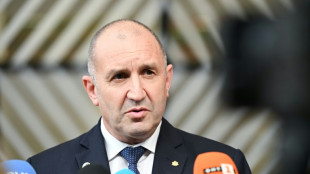 Drone enters Bulgaria, explodes near pipeline at Romanian border
-
Duplantis bids for fourth European title as stars align in Birmingham

-
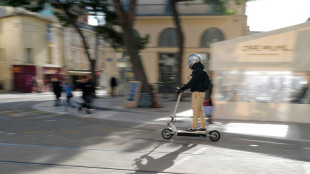 Paris orders e-scooter users to wear helmets, reflective gear
-
Ukraine warns of tough winter as Russia strikes kill 4 in Kyiv region
-
 Lionel Messi's father Jorge dies aged 68
-
Recovering Marchand to skip medleys at European swim champs

-
 Johnson reveals 'stress' of Grand Slam Track collapse, clarifies payment
-
MotoGP leader Martin speeds to British Grand Prix pole
-
 Defending champion Ferrand-Prevot out of Tour de France Femmes
-
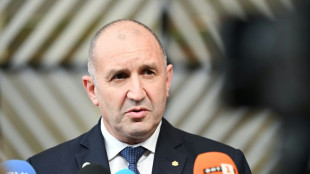
Drone enters Bulgaria, explodes near pipeline at Romanian border: Bulgarian PM
-
 Wallabies squeeze past Japan to give Kiss a winning start
-
Arsenal sign Brazil midfielder Guimaraes from Newcastle

-
 Kyiv mourns recovery volunteer, whose life 'intertwined with the fallen'
-
Atletico will not sell Alvarez, says Simeone

-
 Only two vehicles earn perfect child-seat scores for 2026
-
Ford Fathom turns affordable electric pickup into reality

-
 Chinese car brands reshape Australia’s automotive market
-
Lise Klaveness, the Norwegian thorn in Infantino's side

-
 Electric cars enter their most decisive generation yet
-
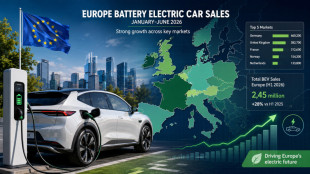
Europe’s electric car boom exposes a widening market divide
-
 Three Chinese carmakers enter the global automotive top 10
-
US Senate confirms Trump's ex lawyer as attorney general

-
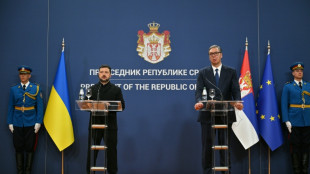
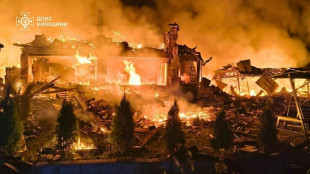 Ukraine's Zelensky visits Russian ally Serbia as Moscow pounds Kyiv
-
Tibet conference in Nepal pushed online

-
 Ukraine's Zelensky visits Russian ally Serbia for talks
-
Nocturnal 'coffee frog' discovered in Costa Rica

-
 Defending champion Shelton storms to Montreal win
-
India's 'cockroach' protest movement keeps heat on Modi

-
 Exodus: West Bank hardships drive out Palestinian Christians
-
Russia's only anti-war party eyes support boost at elections

-
 Travis Head wins Australian cricketer of the year gong
-
Canada tries to adapt to a future of wildfires

-
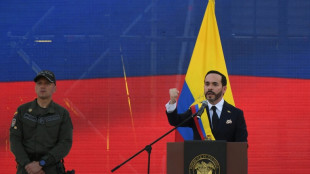 Colombia's new president vows to 'defeat narco-terrorists'
-
Death of NBA forward Clarke ruled accident due to heroin, cocaine

-
 Call for Infantino to resign comes amid wave of support
-
Abelardo de la Espriella, Colombian president and flamboyant millionaire

Global markets turmoil intensifies on Iran war
Global stock markets dived, energy prices surged and the dollar gained Tuesday as the Iran war drove volatility across global financial markets and roiled companies worldwide.
World oil prices soared more than eight percent and European natural gas prices rocketed for a second day running as the war disrupted Middle East exports.
Brent North Sea crude, the international benchmark, topped $85 a barrel for the first time since July 2024.
The US and Israeli attacks on the Islamic republic and its retaliation across the region have upended regional energy flows, with the crucial Strait of Hormuz -- through which about a fifth of global oil transits -- effectively closed off.
The war has also fuelled fears of a fresh energy crisis that could ramp up inflation.
The Frankfurt, Madrid and Milan stock markets each shed around four percent in midday deals, while Paris and London lost close to three percent.
"European markets are being hit hard as the full inflationary impact of the war in Iran truly comes home to roost," said Joshua Mahony, chief market analyst at Scope Markets.
The European Central Bank's chief economist Philip Lane said in an interview with the Financial Times published Tuesday that a lengthy Middle East conflict and sustained drop in energy supplies could trigger a "spike" in eurozone inflation and hit regional growth.
- Threat to energy supplies -
New strikes were reported Tuesday across the Middle East, including Israeli bombardment on Lebanon and a drone attack on the US embassy in Saudi Arabia's capital Riyadh.
The conflict started with US and Israeli strikes on Iran over the weekend, which sparked retaliatory Iranian attacks and showed no sign of abating as it entered its fourth day.
Iran has unleashed missiles and drones across the Middle East, including at Saudi Arabia, Qatar and Dubai, while threatening explicitly to drive up global energy costs.
A general in Iran's Revolutionary Guards threatened to "burn any ship" seeking to navigate the Strait of Hormuz.
The Dutch TTF natural gas contract, considered the European benchmark, shot up more than 40 percent to over 60 euros Tuesday -- its highest level since January 2023, in the wake of the price spike triggered by the Ukraine war.
European natural gas prices surged 50 percent on Monday after Qatar's state-run energy firm said it had halted liquefied natural gas production.
The rise in energy costs could give most central bankers a headache as they look to bring down inflation while also cutting interest rates to support their economies.
"A spike in energy prices creates a dilemma for central banks," said Rodrigo Catril at National Australia Bank. "Stagflation makes central banks very uncomfortable, a longer-lasting energy shock is inflationary and at the same time it weakens growth."
The dollar, seen as a safer bet in times of economic unrest, extended gains against major rivals.
Asian equities extended Monday's losses.
Seoul, which has surged more than 40 percent this year on the back of a tech rally, led the retreat by diving more than seven percent as investors returned from a long weekend.
Tokyo shed more than three percent while Hong Kong, Shanghai, Sydney, Wellington, Taipei and Jakarta were also sharply lower.
Airlines were again among the biggest losers in the region, with Tokyo-listed Japan Airlines down more than six percent, Cathay Pacific down 2.8 percent in Hong Kong and Qantas losing 1.8 percent in Sydney.
The price of gold fell four percent and silver plunged more than 12 percent as investors piled into strategic bets on energy and the dollar, said analyst Kathleen Brooks at trading platform XTB.
- Key figures at around 1140 GMT -
West Texas Intermediate: UP 7.4 percent at $76.44 per barrel
Brent North Sea Crude: UP 7.9 percent at $83.73 per barrel
London - FTSE 100: DOWN 2.7 percent at 10,492.12 points
Paris - CAC 40: DOWN 2.9 percent at 8,148.26
Frankfurt - DAX: DOWN 3.8 percent at 23,697.93
Tokyo - Nikkei 225: DOWN 3.1 percent at 56,279.05 (close)
Hong Kong - Hang Seng Index: DOWN 1.1 percent at 25,768.08 (close)
Shanghai - Composite: DOWN 1.4 percent at 4,122.68 (close)
New York - Dow: DOWN 0.2 percent at 48,904.78 (close)
Euro/dollar: DOWN at $1.1595 from $1.1688 on Monday
Pound/dollar: DOWN at $1.3285 from $1.3399
Dollar/yen: UP at 157.88 yen from 157.31 yen
Euro/pound: UP at 87.28 pence from 87.23 pence
M.Carneiro--PC