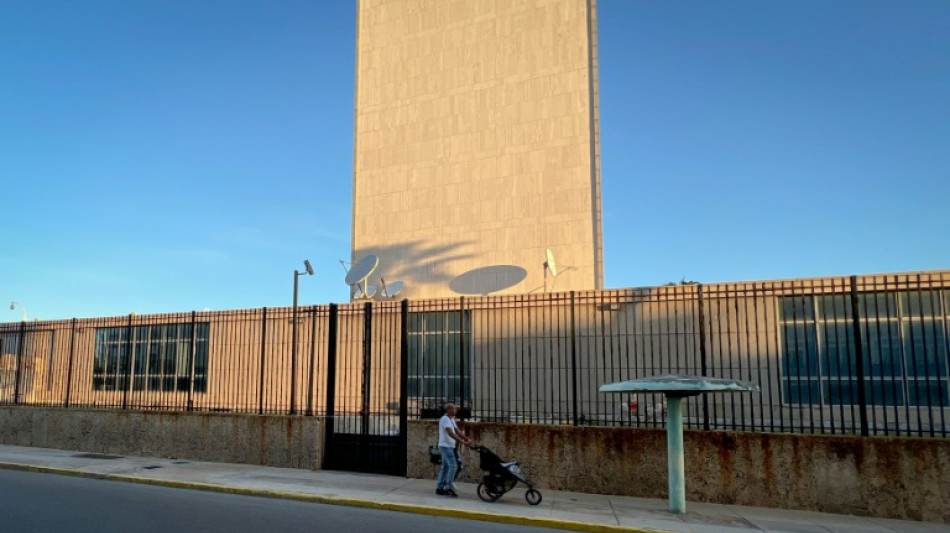
'Very unlikely' foreign actor caused Havana Syndrome: US intelligence / Photo: ADALBERTO ROQUE - AFP/File

 2 killed, 13 wounded in bus blast near Syrian capital: state media
 All Blacks skipper Taylor cautiously recovering from calf strain
 UN chief denounces Russia, Ukraine for civilian deaths
 UEFA turn up the pressure on Infantino and repeat boycott threat
 Rodri approves Barcelona transfer talks with Man City: Barca source to AFP
 Venezuela unable to tally missing from cataclysmic quakes
 Le Court sprints to stage six Tour de France Femmes win
 Doping body says Parker's positive cocaine test caused by nutritionist
 UEFA says boycott of World Cups stands despite FIFA backdown on private investment
 Rheinmetall sales keep surging despite cancelled naval frigate project
 Pogacar teammate Del Toro gets new UAE deal after Tour podium
 Stocks tread water with earnings, tech in focus

 Inevitable AI Group Raises $6M From Aleph to Launch AI-Native SaaS Companies
 Forlan named new Uruguay head coach
 UEFA chief Ceferin: 'Underdog' leader taking fight to FIFA's Infantino
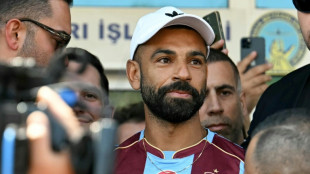 Salah completes move to Turkey's Trabzonspor
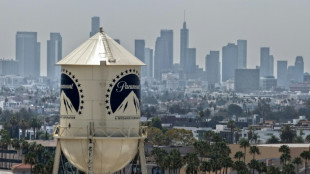 UK clears Paramount's takeover of Warner Bros
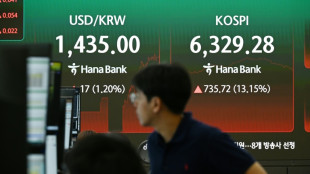
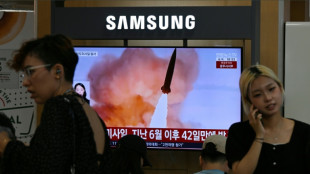 North Korea fires ballistic missile: South Korea military
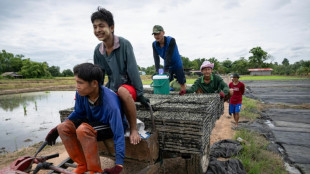 'Don't have to hide': Thai IDs, legal work give hope to Myanmar refugees
 Stocks mixed with tech firms back under pressure
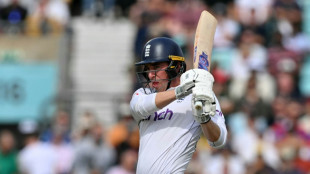
 How Blundell's old school tactic ended England's 'Bazball' era
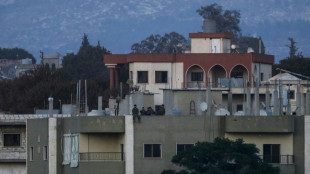 Israel reports troop deaths as Lebanon talks underway in Rome
 Seeds Rybakina, Pegula, Gauff reach third round at WTA Toronto
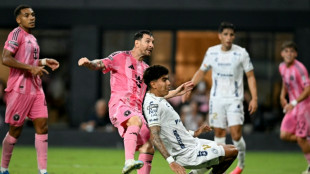
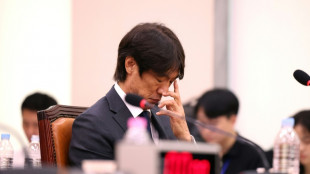 Police raid South Korea FA in probe into World Cup coach appointment
 Low water on Germany's Rhine river threatens new blow to economy
Multiple American intelligence agencies conclude it is "very unlikely" the mysterious illness known as Havana Syndrome that afflicted US personnel was caused by a foreign actor, an assessment released Wednesday said.
The first cases of what became known as Havana Syndrome emerged in Cuba in 2016, involving complaints of nosebleeds, migraines and nausea after experiencing piercing sounds at night, with similar reports later emerging in China, Russia, Europe and even Washington.
The CIA said last year that it was "unlikely" a foreign actor had conducted a sustained campaign targeting US personnel, but that it could not rule out foreign attacks in about two dozen cases.
The latest assessment says most intelligence agencies "have concluded that it is 'very unlikely' a foreign adversary is responsible" for Havana Syndrome.
"Five agencies judge that available intelligence consistently points against the involvement of US adversaries," while one "judges it is only unlikely a foreign adversary played a role," and another abstained, it says.
Agencies looked into various indicators of "hostile activity," including identifying suspicious people near incident sites and searching for a pattern among those who were affected.
"These efforts could not identify an adversary as being responsible for any incident," the assessment says.
US intelligence had said in 2022 that intense directed energy from an external source could have caused some cases of Havana Syndrome, officially known as anomalous health incidents (AHIs).
But the latest assessment says intelligence agencies concluded that "there is no credible evidence that a foreign adversary has a weapon or collection device that is causing AHIs."
- Unanswered questions -
Medical analysis of the AHIs has also shifted since the first reports emerged in a way that does not indicate the involvement of a foreign adversary, the assessment says.
Initial studies found that Havana Syndrome "represented a novel medical syndrome or consistent pattern of injuries similar to traumatic brain injury," but a review of preliminary data from a 2021 National Institutes of Health study does not point to such a pattern.
The assessment says the initial medical opinions were a central part of the hypothesis that the injuries were not the result of natural causes.
Now, intelligence agencies assess that the Havana Syndrome symptoms were probably the result of preexisting conditions, conventional illnesses and environmental factors.
Attorney Mark Zaid, who says his firm represents more than two dozen people suffering from AHIs, criticized the intelligence assessment.
"The latest US intelligence assessment lacks transparency and we continue to question the accuracy of the alleged findings," Zaid said in a statement.
"It is inconceivable based on an overwhelming number of unanswered questions that today's report will be the last word," he added.
The US consulate in Havana -- which was closed after Havana Syndrome cases emerged during Donald Trump's presidency -- resumed full immigrant visa services for Cubans in January.
A.Seabra--PC