UK govt, health unions agree pay deal in bid to end strikes / Photo: Daniel LEAL - AFP

 Freshways milk-price cut deepens pressure on UK dairy farms

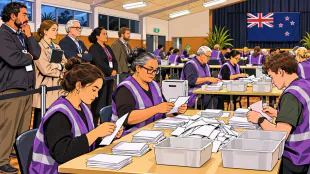 Labour and National remain virtually tied as New Zealand vote count advances
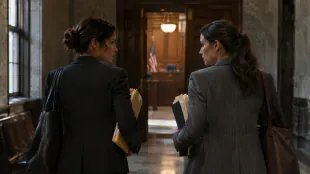 The Good Daughter adapts Karin Slaughter thriller with Rose Byrne and Meghann Fahy

 Heavy-lift drone evacuates wounded Ukrainian soldier from frontline kill zone
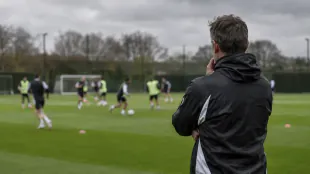 Morrison says West Brom recovered after pressure from successive derby losses

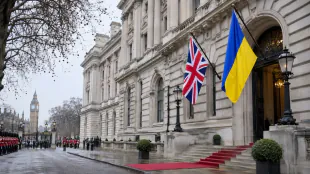 Britain considers 2027 state visit for Ukraine’s Zelensky

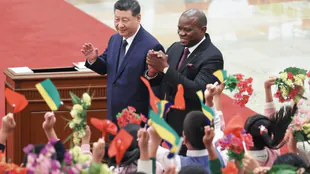 China and Gabon Elevate Ties to 'Shared Future' Amid State Visit

 World Golf Awards 2026 to be Hosted at Egypt’s Madinaty Golf Club
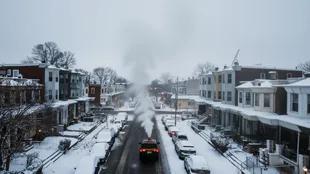
 12 Billion Gallons of Raw Sewage Discharged into Chicago River Despite Deep Tunnel Infrastructure

 Edmund Richardson Wins Baillie Gifford Prize for 'Alexander' Biography
The UK government and unions representing various health workers in England said Thursday they have agreed a deal to increase pay by 5 percent in the next financial year, potentially ending damaging strikes.
The package, impacting around one million National Health Service (NHS) staff, will also include a further 2.0 percent rise to this year's salaries and a one-off bonus worth at least £1,250 ($1,510) per person.
It follows months of unprecedented industrial action by nurses, paramedics, emergency call handlers, midwives and others, which was paused to allow for two weeks of formal negotiations with ministers.
The main unions -- including the Royal College of Nursing, which staged its first ever walk-out in December -- said they will recommend accepting the offer, which also covers working conditions.
"Members took the hardest of decisions to go on strike and I believe they have been vindicated today," RCN General Secretary Pat Cullen said in a statement.
"It is not a panacea, but it is real tangible progress and the RCN's member leaders are asking fellow nursing staff to support what our negotiations have secured."
But Sharon Graham, who heads the smaller Unite union representing around 100,000 NHS workers, said it was not backing the deal, although the offer would still be put to members.
Prime Minister Rishi Sunak hailed the agreement as "affordable for the taxpayer" and allowing his government "to deliver on my promise to halve inflation".
- Soaring inflation -
"We have taken a reasonable approach throughout," he added, in the face of criticism from opposition parties and unions that "dither and delay" had led to many days of avoidable strikes.
They have further strained the crisis-plagued NHS, which is still reeling from the pandemic and has seen waiting times soar for everything from doctors' appointments to routine surgery.
Sunak took power in October with the UK grappling with decades-high inflation, and insisted the country could not afford hefty public sector pay rises.
His ministers initially maintained that pay deals for the current fiscal year ending next month could not be revisited.
But with inflation above 9.0 percent for a year -- and climbing above 11 percent in October -- NHS workers and others across both the public and private sector have staged regular stoppages demanding immediate increases.
Health Secretary Steve Barclay, who led negotiations with the unions, said the pay rises were "fair".
In interviews with broadcasters, he would not detail exactly how they would be funded but insisted it would not come from cuts to "patient-facing" services.
The agreement does not cover junior doctors, who this week held a three-day strike to pressure the government to agree to an inflation-busting salary hike.
The doctors say years of below-inflation increases mean they have effectively had a 26 percent pay cut since 2008.
A.Silveira--PC