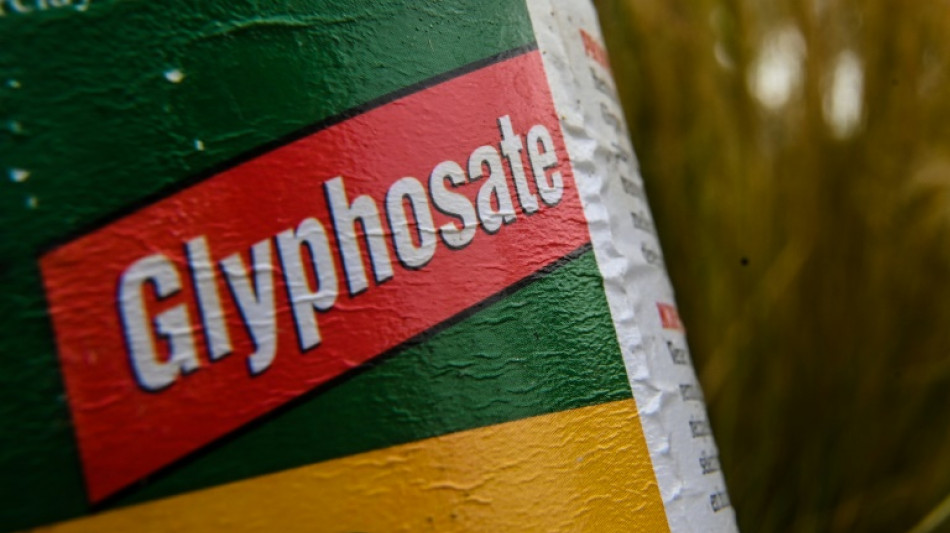
Glyphosate: where is it banned or restricted? / Photo: DENIS CHARLET - AFP/File

 Meta ordered to pay US state $567 mn to abate 'public nuisance' and child harm

 Houthi missile attacks kill 58 Saudi-backed Yemeni govt forces: source
 No.1 Sabalenka and Pegula advance at Toronto
 China missile test top of agenda as Pacific diplomats meet in Fiji
 Most UK teens to opt out of planned social media curfew: poll
 Venezuela's political transition talks launch in Caracas
 2 killed, 13 wounded in bus blast near Syrian capital: state media

 All Blacks skipper Taylor cautiously recovering from calf strain

 UN chief denounces Russia, Ukraine for civilian deaths
 UEFA turn up the pressure on Infantino and repeat boycott threat

 Rodri approves Barcelona transfer talks with Man City: Barca source to AFP

 Venezuela unable to tally missing from cataclysmic quakes
 Le Court sprints to stage six Tour de France Femmes win
 Doping body says Parker's positive cocaine test caused by nutritionist
 UEFA says boycott of World Cups stands despite FIFA backdown on private investment
 Rheinmetall sales keep surging despite cancelled naval frigate project

 Pogacar teammate Del Toro gets new UAE deal after Tour podium
 Stocks tread water with earnings, tech in focus

 Inevitable AI Group Raises $6M From Aleph to Launch AI-Native SaaS Companies
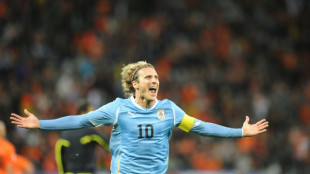 Forlan named new Uruguay head coach
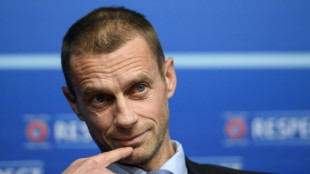 UEFA chief Ceferin: 'Underdog' leader taking fight to FIFA's Infantino

 Salah completes move to Turkey's Trabzonspor
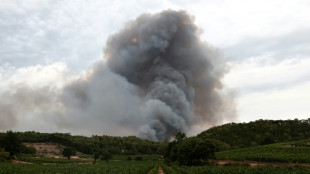
 UK clears Paramount's takeover of Warner Bros
 North Korea fires ballistic missile: South Korea military
 'Don't have to hide': Thai IDs, legal work give hope to Myanmar refugees
One of the world's most popular weedkillers, glyphosate, has divided the scientific and health community, prompting several countries either to ban or limit its use.
The World Health Organization's cancer agency said in 2015 that the active ingredient in many generic herbicides, including Monsanto's Roundup, was "probably carcinogenic".
But on Wednesday the European Commission proposed to authorise its use for another 10 years in the EU, after a report found there was no reason to block it.
AFP looks at the situation around the world:
- Europe: individual bans -
Glyphosate has been debated in the EU for years but not banned. Its current authorisation expired in December 2022 but it was extended for a year while scientists reviewed its safety.
Under pressure from environmentalists, individual countries have tried to curb its use.
In France, the Netherlands and Belgium, glyphosate is banned for household use.
Germany, the home of chemicals giant Bayer which bought Monsanto in 2018, has banned it in public spaces and plans a total ban at the end of this year.
Austria and Luxembourg both tried, but failed, to ban glyphosate.
- US: billions in lawsuits -
Monsanto, and more recently its new owner Bayer, have faced a wave of lawsuits in the US over claims its glyphosate-based herbicide Roundup causes cancer.
The firm denies such claims but has paid out billions of dollars to settle legal disputes.
California has led the charge against Monsanto, with several cities and counties banning or restricting glyphosate.
The Environmental Protection Agency in 2019 ruled it was "not likely to be carcinogenic to humans."
- Latin America -
The health agency of agriculture powerhouse Brazil also concluded in 2019 that glyphosate presented no risk to human health.
Colombia and El Salvador both banned glyphosate and then overturned the decision, while Mexico has pledged to outlaw its use by 2024.
- Asia -
Vietnam is the only country in Asia to have fully banned the use of the chemical.
The Sri Lankan government tried in 2015 but then cancelled the ruling in 2021 for lack of scientific evidence.
Nogueira--PC